
COP30 Talks Stall Over Net Zero Funding Gaps
Developing nations reject climate finance proposals
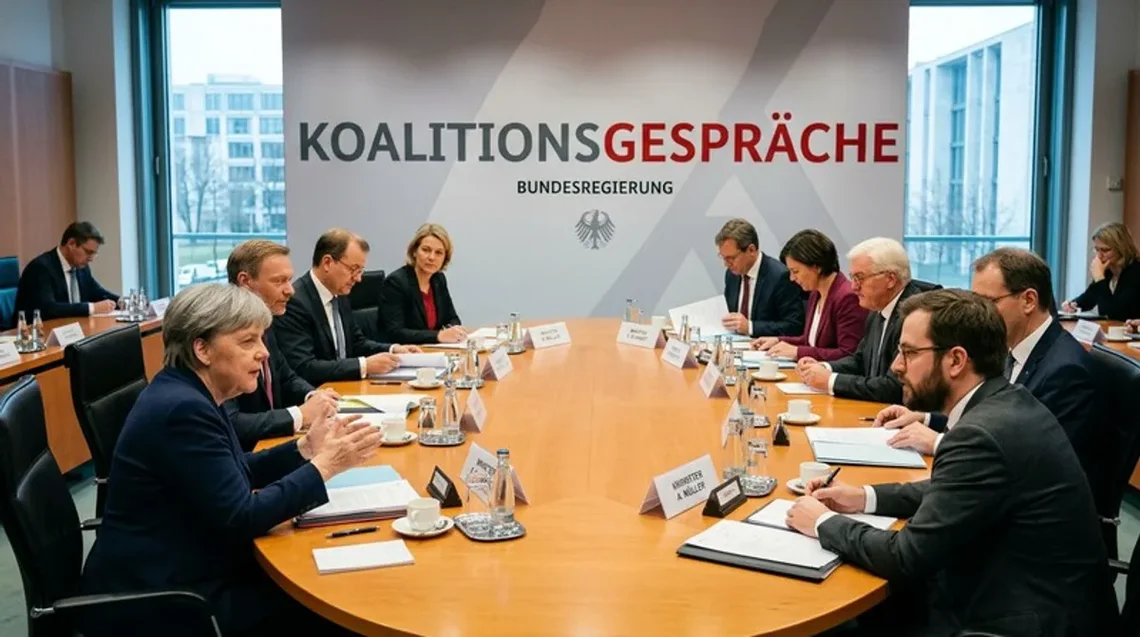
Climate finance negotiations at COP30 in Belém, Brazil have entered a critical impasse, with developing nations formally rejecting a proposed framework that rich countries say could unlock hundreds of billions of dollars annually for emissions reduction and adaptation. The breakdown centres on longstanding disputes over grant-versus-loan structures, conditionality requirements, and the accountability of pledges that have historically failed to materialise on schedule.
Negotiators from the G77 bloc and the African Group of Negotiators walked away from a key working session this week after developed-country parties declined to commit to grant-based funding pathways, insisting instead on blended finance instruments that critics argue deepen debt burdens rather than accelerate transition. The standoff has cast a shadow over whether COP30 can deliver a successor to the outdated $100 billion-per-year pledge — a target that was itself met years late and partly through the reclassification of existing development loans.
Climate figure: Global average surface temperature is currently running approximately 1.45°C above pre-industrial levels, according to the World Meteorological Organization, placing the international community within measurable range of the 1.5°C threshold established under the Paris Agreement. The IPCC's Sixth Assessment Report warns that breaching 1.5°C — even temporarily — significantly increases the risk of triggering tipping points including permafrost collapse, ice sheet destabilisation, and large-scale ecosystem disruption. (Source: IPCC, WMO)
The Finance Gap at the Heart of the Dispute
Independent assessments put the annual climate finance requirement for developing nations at between $2.4 trillion and $4 trillion by the early 2030s — a figure that dwarfs any commitment currently on the table. The gap is not simply numerical; it reflects structural disagreements about who is responsible for mobilising capital, how it should be accounted for, and which mechanisms best serve countries facing the sharpest climate impacts despite contributing the least to cumulative emissions.
Related Articles
Grants Versus Loans: The Core Fault Line
The distinction between grants and concessional loans has emerged as the defining technical argument of the Belém talks. Developed nations, led by EU negotiators and the United States delegation, have championed blended finance models — combining public guarantees with private investment — as the most scalable route to trillions in climate capital. Developing nations counter that these models routinely expose recipient governments to sovereign debt risk, particularly in small island states and least developed countries already operating under fiscal stress.
According to Carbon Brief analysis of past climate finance flows, fewer than one-third of reported contributions between the previous pledge period arrived as grants; the majority were loans, many at near-market rates. Officials representing the Alliance of Small Island States said such accounting obscures the true level of concessional support and must be reformed in any new framework. (Source: Carbon Brief)
Loss and Damage Funding: Still Undercapitalised
The dedicated Loss and Damage fund, established under a landmark agreement at COP27 in Sharm el-Sheikh and operationalised at COP28 in Dubai, has so far attracted pledges totalling under $800 million — a fraction of the estimated annual losses developing nations already absorb from climate-attributable extreme weather. Negotiators from Bangladesh, Mozambique, and several Pacific island delegations told working group sessions this week that the absence of serious capitalisation represents a bad-faith signal from the world's largest historical emitters.
A Nature Climate Change study published recently calculated that global GDP losses attributable to climate change already exceed $16 million per hour when aggregated across vulnerable economies, a figure that underscores the urgency of adequate compensation mechanisms. (Source: Nature Climate Change)
Developed Nations' Position and Internal Divisions
The EU bloc has positioned itself as a constructive intermediary, proposing a new quantified goal — known in negotiating circles as the New Collective Quantified Goal, or NCQG — that would set the headline figure at $300 billion annually in public finance by the end of this decade, scaling toward $1 trillion by the early 2030s through private sector leverage. The United States, despite facing domestic political pressures on climate spending, has nominally endorsed a similar architecture, though American officials have declined to specify national contribution floors.
The Private Finance Question
A persistent controversy concerns how far private sector capital can be counted toward sovereign climate finance obligations. IEA data show that current global clean energy investment is running at approximately $1.7 trillion annually — a record — but that figure is heavily skewed toward China, the United States, and Europe, with sub-Saharan Africa and South Asia receiving a combined share of under 3 percent of global clean energy capital flows despite hosting a disproportionate share of climate-vulnerable populations. (Source: IEA)
Developing nations argue that counting private finance as public obligation fulfillment is an accounting fiction. Their position, supported by a coalition of civil society organisations and independent economists, holds that private investment follows commercial returns and will not flow to the most vulnerable geographies without substantial public risk absorption — which itself requires additional public grant finance rather than displacing it.
Emissions Context and the Net Zero Timeline
The finance deadlock does not exist in isolation. It is intimately linked to questions explored in related coverage of how net zero targets face global setback at COP30, where national commitments submitted under the Paris Agreement's enhanced transparency framework have been widely assessed as insufficient to hold warming below 2°C. The UN Environment Programme's Emissions Gap Report, released ahead of the Belém summit, concluded that current national climate plans put the world on a trajectory toward approximately 2.6°C to 2.8°C of warming by the end of the century under median scenarios. (Source: UNEP)
Sectoral Emissions and National Contributions
| Country / Bloc | Share of Current Annual Emissions | Net Zero Target Year | Climate Finance Pledged (Annual) |
|---|---|---|---|
| China | ~29% | 2060 | Not formally pledged to NCQG |
| United States | ~14% | 2050 | Contribution floor unspecified |
| European Union | ~8% | 2050 | Approx. $30bn/yr public commitment proposed |
| India | ~7% | 2070 | Finance recipient; domestic transition funding sought |
| Sub-Saharan Africa (combined) | ~4% | Varied / conditional on finance | Recipient bloc; requesting grant-based support |
| Small Island States | <1% | N/A | Recipient bloc; prioritising Loss and Damage |
(Sources: IPCC Sixth Assessment Report, IEA World Energy Outlook, UNEP Emissions Gap Report)
The table illustrates the fundamental equity tension: those nations with the most modest emissions profiles face the steepest relative financing obstacles, while large emitters with self-funded transition capacity continue to set the terms of multilateral negotiations. Reporting from the Guardian Environment desk has noted that this structural imbalance has defined North-South climate diplomacy since at least the Kyoto Protocol era. (Source: Guardian Environment)
Brazil's Presidency and the Host Nation Dynamic
Brazil, as the COP30 host, occupies an unusual dual position. President Lula da Silva's administration has sought to position Brazil as a bridge-builder, emphasising the country's own clean energy credentials — approximately 88 percent of domestic electricity generation currently derives from renewables — while simultaneously managing domestic pressures related to agricultural expansion and frontier deforestation in the Cerrado biome.
Brazilian negotiators have tabled a compromise text proposing a tiered contribution framework that would expand the donor base to include upper-middle-income economies such as China and the Gulf states, a proposal that has attracted cautious interest from some developed nations but provoked resistance from Beijing and Riyadh. The outcome of that side negotiation is expected to significantly shape the final Belém text, if one is achieved. For more detail on the structural negotiating positions, see our continuing coverage of COP30 talks stall over net zero finance gaps and analysis of how net zero goals face a reality check at COP30.
Amazon Deforestation as a Negotiating Backdrop
Deforestation data from Brazil's national space agency INPE show a continued decline in Amazon clearing rates under the current federal administration, with figures running significantly below the peak levels recorded earlier this decade. This has given Brazil's diplomatic team a degree of moral standing in the negotiations, though environmental organisations have cautioned that the Cerrado, which hosts a significant share of Brazil's biodiversity, has not seen equivalent protection progress. (Source: INPE, Carbon Brief)
What a Breakdown Would Mean for the 1.5°C Goal
Climate scientists and policy analysts have consistently argued that the physical feasibility of limiting warming to 1.5°C is mathematically contingent on finance flows enabling rapid decarbonisation in emerging economies, where energy demand growth is highest and fossil fuel lock-in risk is greatest. The IEA's Net Zero by 2050 pathway requires that no new unabated coal, oil, or gas infrastructure be approved from the current period onward — a commitment that developing nations say they cannot honour without guaranteed transition finance replacing foregone hydrocarbon revenues. (Source: IEA)
Broader concerns about whether international commitments are keeping pace with scientific requirements are examined in related reporting on how net zero targets face pressure as emissions stall — a pattern that analysts at Carbon Brief describe as a structural feature of the post-Paris architecture rather than a temporary setback. (Source: Carbon Brief)
Institutional Credibility on the Line
Beyond the specific numbers, negotiators and observers have flagged that a failure to reach consensus at Belém would inflict lasting damage on the UNFCCC process itself. The $100 billion pledge took over a decade to fulfill in nominal terms and remains disputed in real terms; a second broken promise at a higher order of magnitude would, officials from multiple developing-country delegations said, make future multilateral climate commitments functionally meaningless as policy instruments.
Whether the remaining negotiating days in Belém can produce the structural compromises needed to bridge these positions remains genuinely uncertain. The scientific consensus on what is required physically to stabilise the climate system is not in dispute; what is contested is who bears the cost, in what form, and under what accountability mechanisms. Those questions — political and economic rather than scientific — are now the sole remaining variables in determining whether COP30 produces a framework commensurate with the challenge or another qualified, contested, and ultimately insufficient communiqué. For ongoing updates on the broader targets debate, see our coverage tracking how COP30 talks stall over net zero targets as delegations enter the final phase of negotiations.