
EU Tightens Russia Sanctions Over Ukraine Escalation
Brussels imposes new measures targeting energy sector
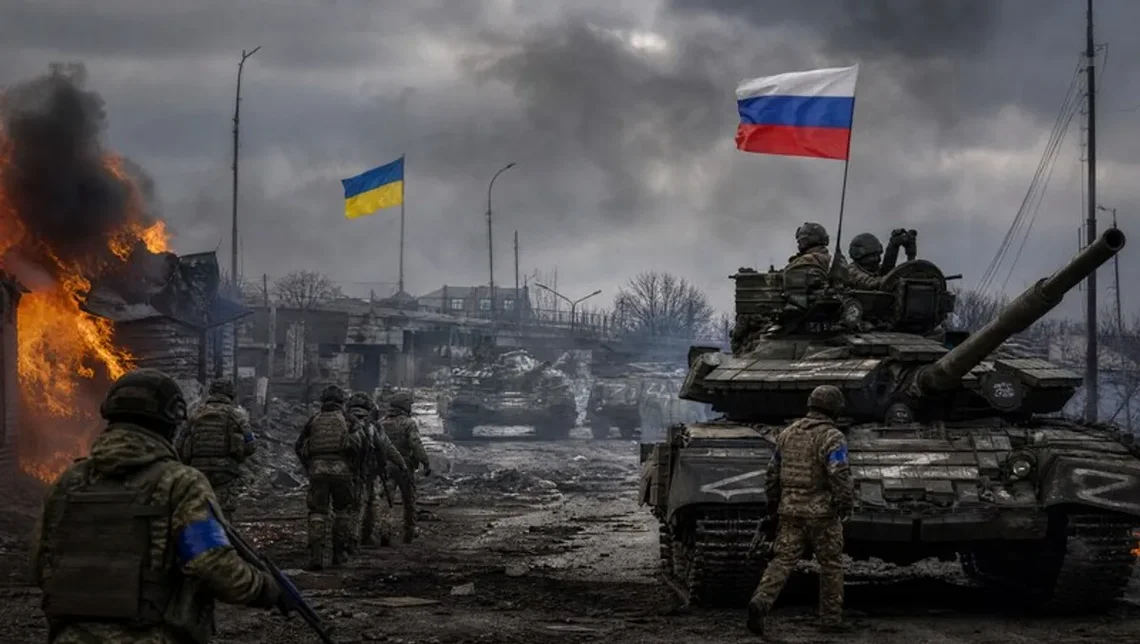
The European Union has adopted its most sweeping package of sanctions against Russia since the full-scale invasion of Ukraine began, targeting the energy sector with new restrictions designed to choke off Kremlin revenues funding the war effort. The measures, agreed upon by EU foreign ministers following weeks of intensive negotiations, represent a significant escalation in the bloc's economic pressure campaign and carry profound implications for energy markets, UK trade policy, and European security architecture.
Key Context: Russia's energy exports — particularly liquefied natural gas (LNG) and oil — have continued to generate substantial revenues despite earlier rounds of Western sanctions. The EU's previous packages targeted financial institutions, military technology transfers, and individual oligarchs, but critics argued the energy sector remained insufficiently constrained. The new measures directly address that gap, introducing price caps on additional energy categories, port access restrictions for vessels carrying Russian LNG, and asset-freezing provisions targeting state energy companies. (Source: European Commission)
What the New Sanctions Package Contains
EU officials confirmed the package introduces restrictions on the re-export of Russian LNG through European ports to third countries — a practice that had allowed Russia to circumvent earlier measures by routing shipments through Belgium, France, and Spain before onward delivery to Asian markets. The new rules close that loophole, according to senior Brussels officials cited by Reuters.
The package also extends asset freezes and travel bans to an additional cohort of individuals and entities deemed to be supporting Russia's military-industrial complex. European Commission figures indicate the total number of sanctioned individuals has now surpassed 2,000, with more than 500 entities subject to economic restrictions. (Source: European Commission)
Related Articles
Energy Price Cap Expansion
Building upon the G7-led oil price cap mechanism introduced previously, the new measures extend price ceiling provisions to additional refined petroleum products. EU officials said the intent is to ensure that Russian energy exports generate the minimum revenue necessary to sustain Moscow's war economy, without triggering a supply disruption severe enough to destabilise global markets. According to Foreign Policy analysis, Russia's federal budget remains heavily dependent on hydrocarbon revenues, making sustained pressure on energy receipts one of the most consequential tools available to Western governments.
Vessel and Port Access Restrictions
One of the most operationally significant elements of the new package involves restrictions on vessels engaged in transporting Russian LNG through European territorial waters and port facilities. The so-called "shadow fleet" of tankers operating outside standard insurance and regulatory frameworks has increasingly been used to circumvent maritime sanctions, according to data compiled by the UN Panel of Experts. The new measures grant EU member state authorities enhanced powers to detain, inspect, and deny port access to vessels suspected of facilitating sanctions evasion. (Source: United Nations)
The Diplomatic Context: Escalation on the Battlefield
The sanctions announcement follows a period of intensified military activity along Ukraine's eastern front, with Ukrainian officials reporting sustained Russian offensive pressure across multiple sectors. The EU's move is widely interpreted as a direct political signal that Brussels intends to calibrate economic pressure in response to battlefield developments, rather than treating sanctions as a static instrument.
For background on how earlier EU measures evolved in response to shifting military dynamics, see the reporting on EU sanctions escalation during Ukraine's eastern offensive and the diplomatic maneuvering documented during the period of strategic stalemate on the Ukrainian front lines.
Russia's Diplomatic Response
Moscow rejected the measures as "illegitimate and counterproductive," with Foreign Ministry spokeswoman statements — carried by AP — warning of "asymmetric responses" without specifying concrete retaliatory actions. Russian state media framed the sanctions as evidence of what it described as Western hostility toward Russia, a narrative consistent with Kremlin communications strategy throughout the conflict. Analysts at Foreign Policy noted that Russia has repeatedly threatened energy retaliation without following through on the most extreme measures, reflecting its own dependence on export revenues.
Implications for the United Kingdom
Although the United Kingdom is no longer an EU member state, British sanctions policy has largely remained in alignment with Brussels throughout the Ukraine conflict, with HM Treasury and the Foreign, Commonwealth and Development Office (FCDO) coordinating closely with European counterparts. The new EU package is expected to prompt a corresponding review of UK sanctions designations, with Whitehall officials indicating that Britain will seek to maintain regulatory parity to prevent the UK from becoming a loophole jurisdiction. (Source: FCDO)
UK Energy Market Exposure
The United Kingdom eliminated direct Russian pipeline gas imports relatively early in the conflict, but remains exposed to global LNG price movements that are themselves influenced by Russian supply dynamics. Energy analysts cited by Reuters cautioned that further restriction of Russian LNG flows into European markets could exert upward pressure on spot prices, with downstream consequences for UK household energy bills and industrial competitiveness. The Office for Budget Responsibility has previously identified energy price volatility as one of the primary external risks to the UK's fiscal projections. (Source: Office for Budget Responsibility)
The broader transatlantic security dimension is also relevant for London. NATO's posture in Eastern Europe, detailed in coverage of how NATO has bolstered its eastern flank amid sustained Russia concerns, directly intersects with the EU's economic pressure strategy, and UK contributions to that posture remain a central element of British foreign and defence policy.
European Energy Security: The Structural Challenge
The new sanctions underscore a tension that has defined EU policy throughout the conflict: the bloc's strategic interest in maximising economic pressure on Russia is constrained by its residual dependence on Russian energy in certain member states. Hungary and Slovakia have consistently sought exemptions and delays on energy-related sanctions provisions, and both governments registered formal objections during negotiations over the current package, according to EU diplomatic sources cited by AP.
| Country | Russian Energy Dependence (Pre-War) | Current Import Level | Sanctions Position |
|---|---|---|---|
| Germany | ~55% gas from Russia | Near zero pipeline gas | Supportive of new package |
| Hungary | ~85% gas from Russia | Significant ongoing imports | Formally objected; granted partial exemption |
| Slovakia | ~70% gas from Russia | Reduced but still significant | Registered objections; negotiated carve-out |
| France | ~17% gas from Russia | Substantially reduced | Strongly supportive |
| Italy | ~40% gas from Russia | Diversified to Algeria, LNG | Supportive with implementation caveats |
| Poland | ~45% gas from Russia | Eliminated entirely | Pushing for stronger measures |
(Source: International Energy Agency, European Commission)
The LNG Re-Export Loophole: A Systemic Failure Addressed
European port facilities — particularly in Belgium and France — had inadvertently become transit nodes for Russian LNG ultimately destined for Asian buyers, generating handling revenues for European economies while simultaneously allowing Russia to monetise energy exports at volumes the sanctions were intended to curtail. Internal EU assessments, summarised in Commission communications reviewed by Reuters, concluded that the re-export loophole had allowed Russia to offset a portion of its pipeline revenue losses. The closure of this mechanism is expected to have a materially negative impact on Russian LNG export receipts, though precise projections remain commercially sensitive. (Source: European Commission)
The Broader Sanctions Architecture: Iran Parallel
The EU's approach to Russia increasingly draws comparison with the multilateral sanctions frameworks applied to Iran's nuclear and ballistic missile programmes. Both cases involve sustained economic pressure campaigns aimed at altering state behaviour, sustained over years rather than months, and both have faced enforcement challenges relating to third-country circumvention. Analysts tracking EU regulatory developments note that lessons from the Iran experience have directly informed the design of Russia sanctions evasion countermeasures. For context on how Brussels is simultaneously managing a parallel sanctions escalation, see coverage of how the EU is weighing stricter sanctions on Iran's nuclear programme.
Sanctions Evasion Networks
UN reports have documented extensive networks of front companies, shell entities, and intermediary jurisdictions — including states in Central Asia, the Gulf, and Southeast Asia — being used to supply Russia with dual-use goods and to launder sanctioned revenues. The new EU package includes enhanced due diligence requirements for European financial institutions conducting transactions with counterparties in identified high-risk jurisdictions. (Source: United Nations Panel of Experts on Russia Sanctions)
The United Nations Dimension
International coordination on Ukraine sanctions has been complicated by the structural deadlock within the UN Security Council, where Russia holds a permanent veto. Efforts to establish a UN-mandated framework for arms embargo enforcement and sanctions oversight have repeatedly failed at the council level, leaving the burden of economic pressure to Western-aligned coalitions operating outside the UN system. The persistent institutional paralysis is examined in detail in reporting on the UN Security Council deadlock over a Ukraine arms embargo.
Despite that impasse, UN agencies and specialised bodies — including the Panel of Experts and the Office for the Coordination of Humanitarian Affairs — continue to document both the humanitarian consequences of the conflict and the economic impact of sanctions on civilian populations inside Russia, providing data that informs Western policy calibration. (Source: United Nations)
What Happens Next
EU officials indicated that implementation of the new measures will begin on a phased basis, with port access restrictions entering into force first, followed by the expanded price cap provisions. Member states have been given a defined window to adapt domestic regulatory frameworks and notify relevant industries of compliance obligations.
Diplomatic sources in Brussels told Reuters that a further sanctions package is already under preliminary discussion, with potential measures targeting Russia's financial sector and additional categories of technology exports under review. The pace and scope of future packages will, officials said, depend in part on developments on the ground in Ukraine and on the degree of enforcement compliance achieved with the current round of measures.
For European governments and the United Kingdom alike, the fundamental calculus remains unchanged: sustaining economic pressure sufficient to constrain Russia's war-fighting capacity without generating domestic energy or economic disruptions that erode political support for continued engagement. That balance — difficult to strike and harder still to maintain — will define Western strategy for the foreseeable future, with the new sanctions package representing the latest, and most ambitious, attempt to hold it.