
EU weighs new sanctions on Russia over Ukraine
Members divided on economic measures targeting energy
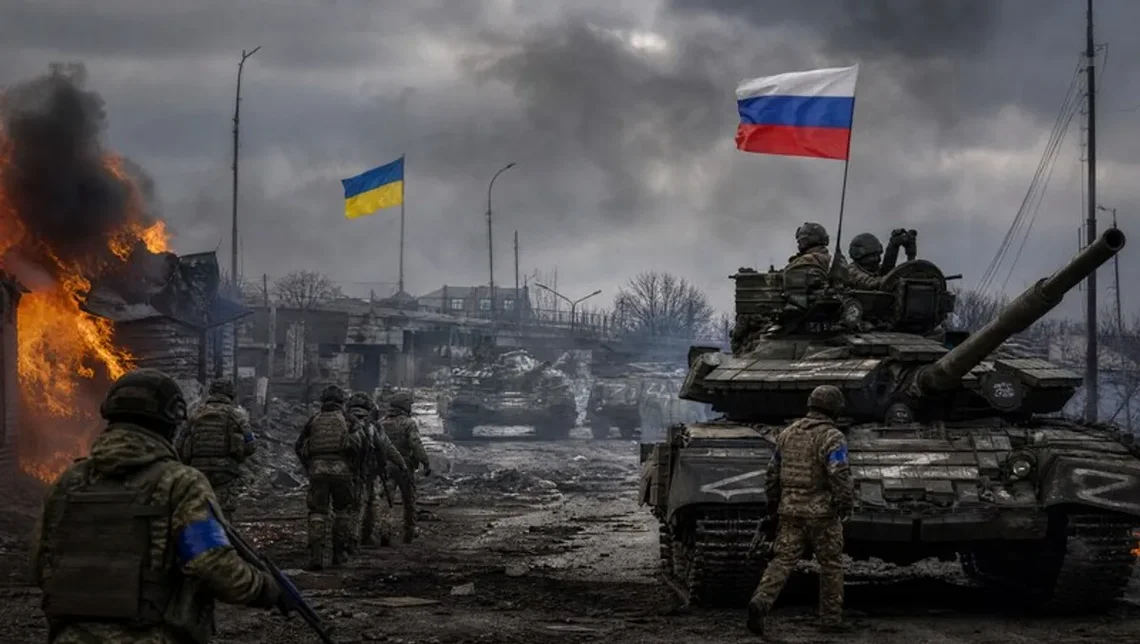
European Union member states are engaged in fractious negotiations over a proposed new package of economic sanctions against Russia, with deep divisions emerging over measures that would further restrict energy imports and tighten financial penalties on Moscow. The deliberations, which have intensified in recent weeks, expose the persistent fault lines within the 27-nation bloc over how hard to press economically against Russia without triggering serious damage to already fragile European economies.
Senior EU diplomats, speaking on condition of anonymity, confirmed that discussions are ongoing at the Council of the EU, with energy-related measures proving the most contentious element of any prospective package, according to Reuters. The outcome will carry significant consequences not only for Ukraine's ongoing defence effort but for Europe's industrial base and household energy costs heading into the colder months.
Key Context: The European Union has adopted more than a dozen successive sanctions packages against Russia since the full-scale invasion of Ukraine began. These measures have collectively targeted Russian oil, coal, financial institutions, and hundreds of individuals. Despite this pressure, Russia continues to earn substantial revenue from energy exports rerouted through third countries, and compliance gaps remain a serious concern for Western policymakers. The EU currently imports significantly less Russian pipeline gas than it did before the conflict, but liquefied natural gas (LNG) flows from Russia have proven more difficult to restrict under existing political consensus. (Source: European Commission)
The Architecture of Division
At the heart of the current impasse is a familiar tension between the EU's more hawkish northern and eastern members — including the Baltic states, Poland, and Finland — who favour aggressive new restrictions, and a cluster of southern and central European nations that remain cautious about the economic fallout from further energy decoupling.
Related Articles
Eastern Members Push for Harder Lines
Estonia, Latvia, Lithuania, and Poland have been among the most vocal advocates for an expanded sanctions regime. Officials from these countries have argued that existing measures contain significant loopholes, particularly around Russian LNG, and that the bloc must close these gaps as a matter of strategic urgency, according to AP. Lithuanian officials have publicly called for a full ban on Russian LNG imports, a position that has gained rhetorical support but not yet a political majority within the Council.
Poland's foreign ministry, in statements reported by Reuters, has emphasised that the failure to act decisively on energy revenues amounts to indirectly financing the Russian military effort. Warsaw has pushed for any new package to include stricter enforcement mechanisms and secondary sanctions provisions targeting third-country entities facilitating sanctions evasion.
Southern and Central Europe Urge Caution
Hungary remains the most openly resistant EU member to expanded sanctions, with Prime Minister Viktor Orbán's government having blocked or delayed previous measures on multiple occasions. Budapest has consistently argued that sanctions cause greater harm to European economies than to Russia, a position widely contested by economists and EU institutions but which retains domestic political salience in Hungary.
Slovakia and Austria have also expressed reservations, particularly regarding any measures that would affect pipeline gas infrastructure or LNG terminal arrangements. Austrian officials have noted their country's historical energy dependencies and called for transition periods before any new restrictions take effect, officials said.
Energy Measures at the Centre of Debate
The proposed package under discussion reportedly includes provisions that would cap or phase out EU imports of Russian LNG, impose new restrictions on the shadow fleet of tankers used to transport Russian crude oil in circumvention of existing price caps, and expand the list of sanctioned individuals and entities connected to Russia's military-industrial complex. (Source: Reuters)
The LNG Question
Russia's liquefied natural gas exports to Europe have become a focal point of criticism from sanctions advocates, who note that while pipeline gas flows have fallen sharply, LNG shipments have not been comprehensively restricted. Belgium, Spain, and France have all received significant volumes of Russian LNG through their terminal infrastructure, a fact that creates political sensitivities when these governments are simultaneously supporting broader sanctions policy.
Data compiled by energy market analysts and cited in Foreign Policy show that the EU collectively imported millions of tonnes of Russian LNG, generating revenue flows to Moscow that critics argue undermine the broader sanctions strategy. Any binding restriction on LNG imports would require unanimous agreement in the Council, raising the threshold for adoption considerably.
Shadow Fleet and Enforcement
Beyond energy, EU officials have flagged the continued operation of Russia's so-called shadow fleet — a network of aging, obscurely owned tankers used to transport Russian crude at prices above the $60-per-barrel cap set by the G7 — as a major compliance failure. According to UN reports, these vessels operate with minimal transparency, frequently switching flags and insurers to avoid detection, and have been involved in several environmental incidents in European and Arctic waters.
The European Commission has proposed expanding vessel blacklists and tightening port access rules for ships that cannot demonstrate clean compliance histories. Whether this constitutes sufficient enforcement reform or merely an incremental measure remains debated among member states and in expert commentary, according to Foreign Policy.
| Country / Bloc | Sanctions Stance | Key Concern | Recent Position |
|---|---|---|---|
| Estonia, Latvia, Lithuania | Strongly Pro-Sanctions | National security, proximity to Russia | Calling for LNG ban and stricter enforcement |
| Poland | Strongly Pro-Sanctions | Regional security, energy independence | Pushing for secondary sanctions provisions |
| Germany | Moderately Pro-Sanctions | Industrial competitiveness, energy costs | Supports measures with transition periods |
| France | Moderately Pro-Sanctions | LNG terminal dependencies | Cautious on LNG restrictions, open to compromise |
| Hungary | Opposed / Obstructionist | Energy dependency, political alignment | Blocking comprehensive new measures |
| Slovakia / Austria | Cautious | Pipeline gas reliance, industrial costs | Requesting exemptions and transition periods |
| EU Commission | Institutionally Pro-Sanctions | Bloc coherence, legal enforcement | Proposing expanded blacklists, shadow fleet rules |
Ukraine's Position and the Stakes on the Ground
Kyiv has consistently and urgently called on European partners to close sanctions loopholes, arguing that continued Russian revenue from energy sales directly sustains the military campaign against Ukrainian territory. Ukrainian officials have specifically cited the shadow fleet and LNG revenues in their diplomatic communications with EU counterparts, according to AP.
The Broader Conflict Context
The sanctions debate takes place against a backdrop of continued fighting along extensive front lines in eastern and southern Ukraine. The military situation has placed enormous strain on Ukrainian logistics and supply infrastructure, adding urgency to requests for both military and economic pressure on Moscow. For context on how supply chain dynamics intersect with the broader campaign, see our earlier coverage of EU tightens Russia sanctions over Ukraine supply lines.
Russia, for its part, has shown considerable resilience in redirecting trade flows toward China, India, and Turkey, partially mitigating the impact of Western economic restrictions. This adaptation has led some analysts to question whether incremental sanctions packages can achieve meaningful strategic effect without a qualitative expansion in both scope and enforcement, a view articulated in multiple Foreign Policy analyses.
Previous Sanctions Rounds: A Pattern of Escalation
The current negotiations represent the latest chapter in a sustained effort to increase economic pressure on Moscow. Each successive package has expanded the list of targeted individuals and entities, tightened oil price cap provisions, and sought to close evasion routes identified in previous rounds — though with uneven results. Readers following the evolution of this policy can consult our prior reporting on EU Tightens Russia Sanctions Over Ukraine Offensive and the subsequent analysis of EU Tightens Russia Sanctions Over Ukraine Escalation for the trajectory of these measures.
Analysts at European policy institutes note that each round has faced similar internal EU divisions, and that the eventual packages, while meaningful, have tended to reflect the lowest common denominator of member state consensus rather than the most strategically ambitious options on the table. This structural dynamic is unlikely to change in the current round, officials suggested.
Lessons From Prior Rounds
The experience of previous negotiations, documented in detail in reporting covered under EU Tightens Russia Sanctions Over Ukraine Stalemate, indicates that Hungary's leverage within the unanimity requirement has repeatedly forced modifications or carve-outs in final package texts. Legal mechanisms that might allow qualified majority voting on certain sanctions elements have been explored but have not yet been pursued in a way that bypasses the fundamental treaty framework requiring consensus on foreign and security policy matters. (Source: European Council)
What This Means for the UK and Europe
For Britain, which departed the EU but retains close alignment on Russia sanctions policy through the G7, FCDO coordination, and bilateral channels with key EU members, the outcome of these negotiations carries direct strategic relevance. The UK has maintained its own autonomous sanctions regime and has generally kept pace with or exceeded EU measures in certain areas, particularly regarding individuals and financial sector restrictions, officials said.
Any significant EU move on LNG restrictions would have market implications for UK energy prices, given the interconnected nature of European gas markets and the UK's exposure to global LNG price dynamics. British households and businesses, already sensitive to energy cost volatility following the broader European energy shock of recent years, could experience secondary effects from supply shifts and price adjustments triggered by major new EU measures, according to energy market analysis cited by Reuters.
For the broader European economy, the stakes are equally significant. Germany's industrial sector has already absorbed substantial structural adjustment costs from the transition away from cheap Russian energy, and further restrictions — even if phased — will require continued adaptation. The European Commission has framed this economic pain as a necessary strategic investment, arguing that energy dependency on a state engaged in aggressive war represents an unacceptable long-term security liability. (Source: European Commission)
The wider Western sanctions coalition, detailed in coverage of Russia Faces New Western Sanctions Over Ukraine, continues to coordinate through G7 structures, with the United States and United Kingdom both pressing EU partners to tighten enforcement and expand the scope of restrictions. Washington has repeatedly signalled that it may pursue secondary sanctions against third-country entities enabling Russian evasion if the EU does not act, a prospect that focuses minds in European capitals.
What Happens Next
Diplomats indicate that negotiations on the prospective package are likely to continue for several more weeks, with no firm timeline for adoption confirmed. The European Commission is expected to present a formal legislative proposal to member states once sufficient political groundwork has been laid, following which intensive Council negotiations will determine the final shape of any agreement.
The fundamental question — whether Europe's collective political will is sufficient to absorb the economic costs of genuinely tightening the energy sanctions regime — remains unanswered. The answer, when it comes, will speak as much to the durability of European strategic unity as to the specific technical measures eventually agreed. With Ukraine's defence effort and the continent's long-term security architecture both implicated in the outcome, the pressure on negotiators to deliver a substantive result is considerable, even as the internal divisions that have characterised every previous round remain stubbornly in place.