
Senate Republicans Block Immigration Bill Vote
Partisan divide deepens over border policy framework
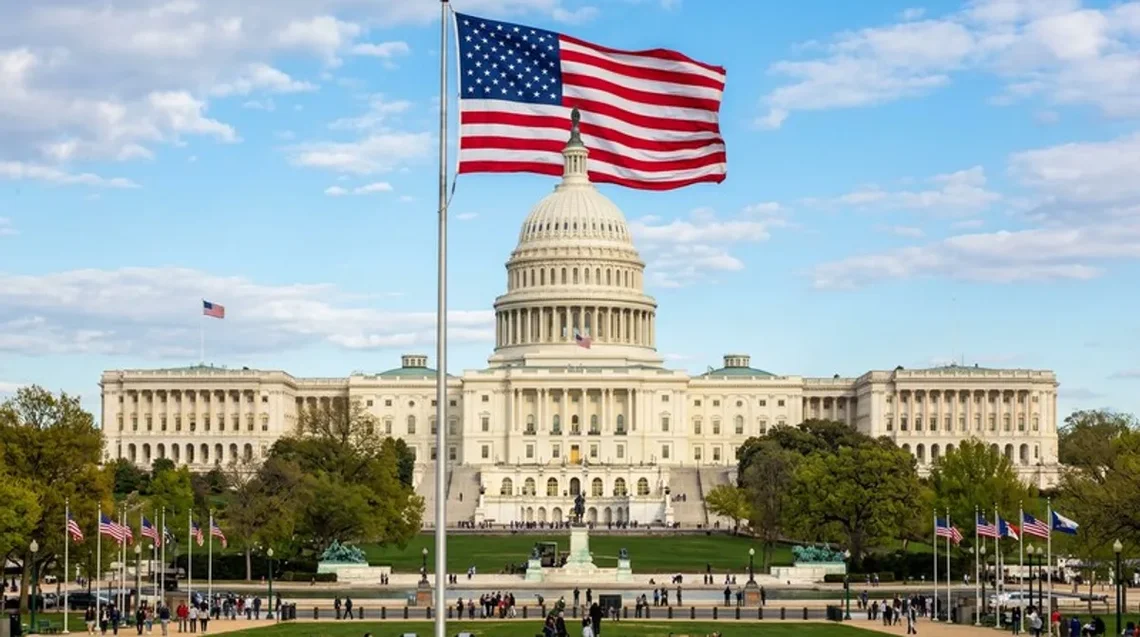
Senate Republicans blocked a Democratic-led immigration reform bill from advancing to a full floor vote, with the chamber falling short of the 60-vote threshold required to overcome a filibuster in a near-unanimous party-line outcome that exposed the widening gulf between the two parties on border security and immigration policy. The procedural defeat marks the latest in a series of legislative failures on one of the most contested issues in American politics, reinforcing that any pathway to comprehensive immigration reform faces extraordinary obstacles in a deeply divided Congress.
Key Positions: Republicans argue the bill fails to deliver sufficient border enforcement measures, prioritises a pathway to citizenship over security infrastructure, and would incentivise further illegal crossings; Democrats contend the legislation represents a good-faith compromise that addresses humanitarian concerns, provides long-overdue legal status for millions of undocumented residents, and includes meaningful border management provisions; White House officials have accused Republican senators of acting in bad faith by rejecting a bill that incorporates several border security priorities they had previously demanded, framing the obstruction as politically motivated ahead of the next electoral cycle.
The Vote: What Happened on the Senate Floor
The cloture motion — the procedural mechanism required to end debate and advance legislation to a final vote — failed to reach the necessary 60-vote threshold, with Republicans voting in near-lockstep against moving forward. The outcome was widely anticipated by congressional observers, given that Republican leadership had signalled days in advance that the caucus would not provide the votes needed for debate to proceed.
Party-Line Breakdown
The vote reflected the hardened partisan dynamics that have come to define Senate immigration battles. According to congressional records, only a small number of Republican senators crossed the aisle, insufficient to reach the supermajority required under Senate rules. Democrats, who hold a narrow majority in the chamber, were unable to compensate for Republican opposition through their own ranks alone. The episode mirrors previous failed attempts to advance immigration legislation, including earlier bills that Senate Republicans blocked in a party-line vote under similar procedural circumstances.
Related Articles
Procedural Mechanics and the Filibuster
The 60-vote cloture threshold, a feature of Senate rules rather than the Constitution, continues to serve as the principal legislative chokepoint on contentious policy. Critics of the filibuster, including several progressive Democrats, renewed calls for filibuster reform following the vote, arguing that the rule allows a minority of senators to indefinitely block legislation that commands majority support. Senate Majority Leader's office declined to commit to any procedural changes, officials said.
| Metric | Figure | Source |
|---|---|---|
| Votes in favour of cloture (approx.) | 49–51 | Congressional Records |
| Votes required to advance (cloture threshold) | 60 | Senate Rules |
| Americans who say immigration is a top national priority | 28% | Gallup |
| Americans who favour a pathway to citizenship for undocumented immigrants | 57% | Pew Research |
| Americans who say border security is inadequate | 53% | Pew Research |
| Estimated net fiscal impact of comprehensive immigration reform (10-year) | +$140bn (approx.) | Congressional Budget Office |
Republican Opposition: The Core Arguments
Republican senators, in floor speeches and statements released following the vote, framed their opposition around what they characterised as fundamental deficiencies in the bill's enforcement architecture. Senate Republican leadership argued the legislation prioritised expanding legal status for undocumented individuals already in the country rather than first securing the southern border against new arrivals.
Security-First Doctrine
A recurring theme among Republican opponents was the demand for what several senators described as a "security-first" sequencing of any immigration overhaul — enforcement mechanisms must be operational and demonstrably effective before any legalisation provisions take effect. Officials in the Republican caucus said the bill's triggers for enforcement benchmarks were either too weak or too easily waived by executive discretion, a critique that echoed objections raised during earlier legislative cycles. This pattern of rejection follows a consistent record: as recently documented, Senate Republicans blocked an immigration reform bill using almost identical substantive objections.
Political Calculations Ahead of the Election Cycle
Political analysts and Democratic strategists have argued that Republican reluctance to advance any immigration bill is not solely rooted in policy substance but also in electoral strategy. Polling data consistently show that immigration and border security rank among the top concerns for Republican primary voters, creating strong disincentives for Republican incumbents to hand Democrats a legislative accomplishment on the issue. According to Gallup tracking data, voter concern about immigration has remained elevated, making it a politically potent issue for candidates running on a tough-enforcement platform. (Source: Gallup)
Democratic Strategy and White House Response
Democrats, aware that the votes were unlikely to materialise, nonetheless pressed for the floor vote as a means of creating a clear political record ahead of upcoming elections. Senate Democratic leadership argued the exercise was necessary to force Republicans to publicly oppose legislation that incorporates border security provisions long demanded by the Republican caucus itself.
The White House Position
Administration officials expressed frustration at the outcome, with statements from the White House characterising Republican opposition as evidence of bad faith negotiating. Officials said the president had been willing to accept significant compromises on enforcement — including expanded use of expedited removal, additional resources for border processing, and increased immigration court funding — in exchange for a legislative framework that also addressed the status of long-term undocumented residents. The White House accused Republican leadership of moving the goalposts once a bipartisan framework began to take shape, a charge Republicans denied.
The administration's inability to secure passage of an immigration overhaul is not new. Previous attempts have faced the same structural obstacles, and a detailed record of those failures is documented in reporting on how Senate Republicans blocked the Biden immigration bill in an earlier legislative session.
Public Opinion and the Policy Landscape
National polling data present a complicated picture for both parties on immigration. While a majority of Americans express support for a pathway to legal status for undocumented immigrants who have lived in the country for significant periods, a roughly equal share expresses dissatisfaction with the current state of border management and enforcement. This apparent contradiction — support for both legalisation and tougher enforcement — suggests public appetite for the kind of comprehensive, dual-track approach that the failed bill nominally sought to provide. (Source: Pew Research)
Economic and Fiscal Dimensions
Beyond the political theatre, the debate carries substantial economic and fiscal implications. The Congressional Budget Office has previously estimated that comprehensive immigration reform that expands the legal workforce could generate net positive fiscal outcomes over a ten-year budget window, primarily through increased payroll tax revenues and reduced reliance on certain federal benefit programmes. Critics of the CBO methodology argue that such estimates fail to fully account for the costs of social services, public education, and infrastructure that immigration places on state and local governments. (Source: Congressional Budget Office)
Independent economists and migration scholars have broadly supported the CBO's positive fiscal framing, pointing to labour market data showing that immigration fills critical gaps in both high-skilled sectors and essential service industries. The net economic contribution of the undocumented population in particular — estimated in the tens of millions by various demographic surveys — represents a significant share of agricultural, construction, and hospitality sector labour, according to migration research from established policy institutes.
The Broader Immigration Debate in Congress
The failed vote is one chapter in a prolonged and often dysfunctional congressional history on immigration. Comprehensive reform efforts have collapsed repeatedly over the past two decades, including high-profile bipartisan attempts that secured initial momentum before unravelling under pressure from ideological flanks in both parties. The pattern of failure has left the immigration system operating under a patchwork of executive orders, agency guidance, and decades-old statutory frameworks widely regarded by experts across the political spectrum as inadequate for current realities.
What Comes Next
Congressional observers and immigration policy experts expressed little optimism that the legislative path would open significantly in the near term. With the congressional calendar increasingly dominated by appropriations deadlines, oversight activity, and the drumbeat of the next electoral cycle, the window for a renewed bipartisan immigration push appears narrow. Some Democratic senators indicated they would pursue targeted, smaller-scale measures — such as protections for DACA recipients or farm worker visa reform — as a fallback strategy, accepting incremental progress over the unattainable comprehensive overhaul.
Republican leadership, for its part, signalled continued focus on standalone border security authorisations and oversight of executive branch immigration enforcement, declining to engage on broader legislative frameworks without what officials described as a fundamentally restructured approach to enforcement sequencing. The stalemate follows a trajectory that observers have tracked across multiple sessions: a review of how Senate Republicans blocked the Democratic immigration bill in prior votes shows the same fault lines hardening over time. (Source: AP, Reuters)
Implications for the Immigration System
For the millions of undocumented individuals currently living and working in the United States, the Senate's failure to act means the status quo endures — one defined by legal limbo, vulnerability to enforcement actions, and the absence of a clear administrative pathway to permanent legal status. Advocates for immigration reform characterised the vote as a moral failure as much as a legislative one, pointing to the human consequences of congressional inaction.
Border communities, meanwhile, continue to face operational and humanitarian pressures that federal legislation has repeatedly failed to address in any durable way. Law enforcement officials, local government representatives, and non-governmental organisations operating at the border have called for resources and legal clarity that only Congress can provide through statutory action. With that action again deferred, the burden falls back on executive branch agencies to manage a system that both parties acknowledge is broken but neither has demonstrated the political will to fix. The search for a durable legislative solution to America's immigration impasse remains, as it has for a generation, unfinished business on Capitol Hill.