
UN Security Council deadlocked on Ukraine aid corridor
Russia vetoes humanitarian access proposal amid escalating tensions
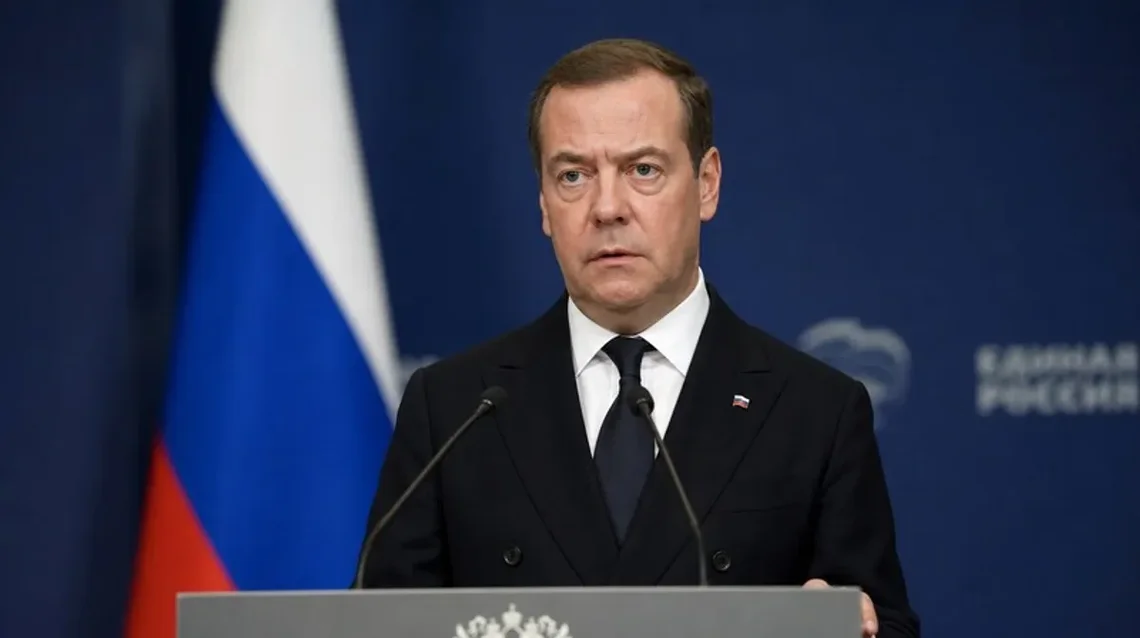
Russia has vetoed a United Nations Security Council resolution that would have established protected humanitarian corridors into conflict zones across Ukraine, blocking emergency aid access to hundreds of thousands of civilians caught in active fighting zones. The move, the latest in a long sequence of Russian vetoes on Ukraine-related measures, deepened diplomatic fractures at the Council and prompted immediate condemnation from Western governments, aid organisations, and UN Secretary-General António Guterres, who called the outcome "a failure of our collective conscience." (Source: UN Department of Political and Peacebuilding Affairs)
Key Context: Russia holds one of five permanent seats on the UN Security Council, granting it unconditional veto power over any substantive resolution. Since the full-scale invasion of Ukraine began, Russia has exercised this veto multiple times to block resolutions on ceasefires, accountability mechanisms, and humanitarian access. The United States, United Kingdom, France, and China also hold permanent seats. Ukraine is not a permanent member and cannot vote on Security Council resolutions directly affecting it. The humanitarian corridor proposal was co-sponsored by twelve Council members and endorsed by the UN Office for the Coordination of Humanitarian Affairs (OCHA). (Source: United Nations)
The Vote and Its Immediate Aftermath
The resolution, tabled by France and the United Kingdom alongside ten elected Council members, called for a temporary cessation of hostilities along specified routes to allow humanitarian convoys, medical personnel, and civilian evacuees to move freely. It drew on proposals developed in conjunction with the International Committee of the Red Cross and received backing from regional organisations including the European Union and the African Union. Thirteen Council members voted in favour; Russia voted against; China abstained. (Source: Reuters)
Russia's Justification
Russia's Permanent Representative to the United Nations described the resolution as a pretext for Western intelligence operations and accused NATO member states of using humanitarian frameworks to funnel military equipment into Ukrainian-held territory. The Kremlin's formal statement reiterated its position that only bilateral arrangements negotiated directly with Moscow could produce workable civilian access agreements — a condition Ukrainian officials and Western governments categorically rejected as unacceptable. (Source: AP)
Related Articles
Western Reaction
The United Kingdom's ambassador to the United Nations described the veto as "unconscionable" and pledged that London would work within the UN General Assembly to pursue an emergency special session, a procedural mechanism that bypasses the veto but produces non-binding resolutions. The United States representative called Russia's action evidence of what officials described as deliberate weaponisation of the Council's procedural architecture against the civilian population it was designed to protect. (Source: Reuters)
The Humanitarian Situation on the Ground
UN estimates place the number of civilians currently without consistent access to food, clean water, or medical care in frontline regions at more than 3.7 million, with conditions deteriorating in several eastern and southern oblasts following renewed intensity in ground operations. OCHA assessments, circulated ahead of the vote, warned that without formalised corridor access, mortality rates among vulnerable populations — including the elderly, children under five, and the chronically ill — would continue to rise sharply through the winter period. (Source: UN Office for the Coordination of Humanitarian Affairs)
Infrastructure Destruction
Repeated strikes on civilian infrastructure have compounded the access challenge, according to UN monitoring reports. Water treatment facilities, thermal power stations, and road networks used by aid convoys have all sustained damage over recent months. Médecins Sans Frontières reported that medical supply chains into several districts had been interrupted for more than three consecutive weeks at points this year, forcing field teams to suspend non-emergency surgical operations. (Source: AP)
Diplomatic Context: A Council Under Strain
The deadlock over the humanitarian corridor proposal is not an isolated incident but rather a symptom of structural paralysis that has defined Security Council engagement with the Ukraine conflict throughout its duration. The Council has been broadly unable to pass binding resolutions on any substantive aspect of the war, defaulting instead to procedural debates, presidential statements, and informal briefings that carry no enforcement weight. This institutional gridlock has fuelled a broader debate among UN member states about the adequacy of the Council's current architecture and the viability of veto reform. (Source: Foreign Policy)
Calls for Structural Reform
A cross-regional coalition of smaller UN member states, including several from the Global South, has renewed calls for reform of the veto mechanism under what is known informally as the Accountability, Coherence and Transparency group. Their proposals range from requiring veto-wielding states to justify their use of the veto in a formal plenary session, to suspending veto rights in cases of mass atrocity crimes. Neither proposal is currently close to the two-thirds General Assembly majority that any Charter amendment would require. (Source: Foreign Policy)
This is not the first time the Council has reached an impasse on Ukraine. Readers following the broader pattern of diplomatic obstruction may recall earlier reporting on the UN Security Council deadlocked on Ukraine arms embargo, which similarly illustrated Moscow's willingness to deploy procedural tools to shield its military campaign from multilateral constraints.
Implications for European Security and UK Policy
For the United Kingdom and its European partners, the veto carries consequences that extend well beyond the immediate humanitarian crisis. British officials have consistently framed the Ukraine conflict not merely as a bilateral territorial dispute but as a test case for the rules-based international order upon which post-war European security has been constructed. The inability of the UN mechanism to enforce even basic humanitarian norms strengthens the hand of those in London, Brussels, and Warsaw who argue that Western governments must build parallel frameworks outside the UN system to sustain pressure on Moscow. (Source: Reuters)
UK Aid Commitments
The British government has separately pledged substantial bilateral humanitarian assistance to Ukraine, channelled through OCHA and directly to partner NGOs operating in the country. Whitehall officials indicated that, in the absence of a Security Council framework, the UK would accelerate its direct bilateral humanitarian programming and explore additional legal mechanisms to hold individuals responsible for obstruction of aid accountable under existing international humanitarian law. (Source: AP)
The European Union's posture has hardened in parallel. Those tracking the evolution of Brussels' economic and political response will find important context in recent coverage of how the EU tightens Russia sanctions over the Ukraine offensive, a process that has intensified as diplomatic channels at the UN have narrowed. A further layer of analysis is available in reporting on how the EU tightens Russia sanctions over the Ukraine stalemate, reflecting the bloc's long-term economic pressure strategy.
NATO's Role and the Broader Alliance Response
NATO secretary-general Jens Stoltenberg, speaking at alliance headquarters in Brussels following the vote, said the veto underlined why Western allies could not rely solely on multilateral bodies for security guarantees and reiterated the alliance's commitment to long-term material and political support for Kyiv. He stressed that humanitarian and military dimensions of support were complementary, not competing, priorities for alliance members. (Source: Reuters)
For a fuller picture of where the alliance stands militarily, see recent reporting on how Ukraine pushes forward as NATO vows sustained support, which details the alliance's evolving approach to long-range capabilities and training commitments.
| Resolution Topic | Year Tabled | Votes For | Votes Against | Abstentions | Outcome |
|---|---|---|---|---|---|
| Demand for withdrawal of Russian forces | Early in conflict | 11 | 1 (Russia) | 3 | Vetoed |
| Humanitarian ceasefire corridor | Mid-conflict | 12 | 1 (Russia) | 2 | Vetoed |
| Arms embargo proposal | Mid-conflict | 10 | 1 (Russia) | 4 | Vetoed |
| Humanitarian corridor (current) | Recently | 13 | 1 (Russia) | 1 (China) | Vetoed |
| Emergency Special Session referral | Early in conflict | 11 | 1 (Russia) | 3 | Passed (procedural) |
What Comes Next
Diplomatic efforts are expected to pivot toward the UN General Assembly, where Russia cannot exercise a veto. While General Assembly resolutions are non-binding, they carry significant symbolic and political weight, particularly when passed by large majorities. Western diplomats told Reuters they are confident of securing broad support from member states in a follow-on General Assembly vote, citing growing frustration across Africa, Latin America, and Southeast Asia with the humanitarian consequences of the war. (Source: Reuters)
Separately, the UN Secretary-General is understood to be considering use of his Article 99 powers under the UN Charter — a rarely invoked provision that allows him to bring to the Security Council's attention any matter which, in his opinion, threatens international peace and security — specifically to force a formal Council session on the humanitarian access question. Were he to do so, it would mark only the second time in the UN's modern history that the provision had been formally invoked. (Source: UN Department of Political and Peacebuilding Affairs)
The geopolitical ramifications of the veto will also register in other multilateral arenas. Observers tracking how pressure campaigns interact across different diplomatic theatres will note parallels with the challenges documented in ongoing coverage of how the EU weighs stricter sanctions on Iran's nuclear program, where Council deadlock has similarly constrained the international community's options and forced reliance on unilateral or coalition-based instruments.
For the millions of civilians in Ukraine currently without adequate humanitarian access, the procedural manoeuvres at UN headquarters offer little immediate relief. Aid organisations operating in the field have said they will attempt to expand operations using existing bilateral agreements and informal deconfliction arrangements with Russian military authorities, but they acknowledge these mechanisms are fragile, unpredictable, and wholly inadequate to the scale of need. The veto, in their assessment, does not merely delay a resolution — it actively prolongs suffering. (Source: AP)