
UN Security Council deadlocked on Ukraine aid resolution
Russia blocks humanitarian assistance vote for fourth time
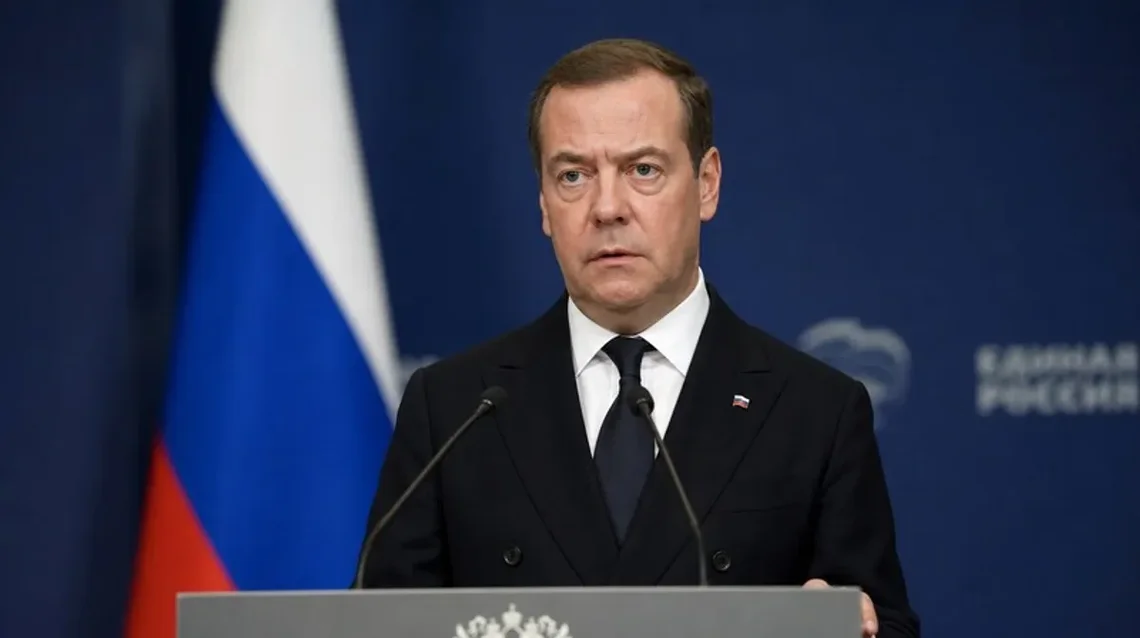
Russia has vetoed a United Nations Security Council resolution on humanitarian aid to Ukraine for the fourth consecutive time, deepening a diplomatic paralysis that aid agencies warn is leaving millions of civilians without access to food, medicine and shelter in active conflict zones. The latest blocked vote, which failed to secure passage after Moscow exercised its permanent member veto power, drew sharp condemnation from Western delegations and renewed calls for structural reform of the Security Council itself. (Source: Reuters, UN reports)
Key Context: Russia is one of five permanent members of the UN Security Council — alongside the United States, United Kingdom, France and China — each holding an unconditional veto over any binding resolution. Since the full-scale invasion of Ukraine began, Russia has used this veto power repeatedly to block resolutions related to humanitarian access, ceasefires, and accountability measures, effectively rendering the Council unable to act on its primary mandate of maintaining international peace and security. The UN Office for the Coordination of Humanitarian Affairs (OCHA) estimates that more than 14 million people inside Ukraine currently require humanitarian assistance. (Source: UN OCHA)
The Vote and Its Immediate Fallout
The resolution, co-sponsored by the United Kingdom, France, the United States and several non-permanent members, sought to establish protected humanitarian corridors and guarantee unimpeded access for aid convoys to civilian populations in eastern and southern Ukraine, according to UN officials. The draft text called on all parties to comply with international humanitarian law and to facilitate the safe passage of Red Cross personnel and supplies.
Russia cast its veto within hours of the text being tabled, with China abstaining rather than supporting the measure, officials said. The remaining thirteen Council members voted in favour, a margin that underscores the political isolation Moscow faces within the body but cannot overcome given the structural architecture of the Charter. (Source: AP)
Related Articles
Russian Delegation's Position
Russia's UN ambassador framed the resolution as a politically motivated document that served Western propaganda objectives rather than genuine humanitarian concerns, according to remarks reported by Reuters. The Russian delegation argued that aid delivery was already proceeding through channels it described as legitimate, and accused Western sponsors of drafting language designed to be rejected rather than to facilitate genuine negotiation.
Western Reaction at Turtle Bay
Britain's UN ambassador described the veto as "an act of contempt for the suffering of Ukrainian civilians" in remarks to the Council chamber, according to officials present. The United States representative called the vote a defining moment that illustrated the urgent need to examine how the veto mechanism operates when one permanent member is itself a party to the conflict under review. France's delegation echoed those sentiments, with all three Western P5 members issuing coordinated statements within an hour of the vote. (Source: Reuters)
A Pattern of Obstruction: The Four Vetoes in Context
The latest veto is not an isolated incident. It forms part of a consistent pattern in which Russia has used its permanent member status to shield its military operations from binding Security Council action, a dynamic that has become one of the defining diplomatic features of the conflict.
| Veto Number | Resolution Subject | Outcome | Votes In Favour |
|---|---|---|---|
| First | Condemnation of invasion / withdrawal demand | Blocked by Russia; China abstained | 11 |
| Second | Humanitarian ceasefire corridors | Blocked by Russia; China abstained | 12 |
| Third | Civilian protection and war crimes investigation | Blocked by Russia; China abstained | 13 |
| Fourth (current) | Humanitarian aid access and corridor guarantees | Blocked by Russia; China abstained | 13 |
The pattern reveals a consistent alignment between Moscow and Beijing, with China declining to support Russian positions outright but also declining to join the international consensus demanding humanitarian access. Analysts at Foreign Policy have noted that China's repeated abstentions represent a studied neutrality that functionally benefits Russia by preventing the isolation that an outright Chinese vote in favour would help reinforce. (Source: Foreign Policy)
For deeper background on related Council deadlocks, see our coverage of the UN Security Council deadlocked on Ukraine arms embargo and the earlier impasse over the UN Security Council deadlocked on Ukraine aid corridor, which established the precedent now being repeated.
The Humanitarian Cost on the Ground
Behind the procedural language of Security Council procedure lies a material crisis that aid organisations describe as deteriorating rapidly. The UN's humanitarian coordination office reports that civilian infrastructure in at least six oblasts remains severely damaged or destroyed, with heating, water and medical supply chains disrupted heading into another winter season. (Source: UN OCHA)
Aid Agency Assessments
The International Committee of the Red Cross has repeatedly stated that its personnel face access restrictions in frontline areas that are inconsistent with obligations under the Geneva Conventions, according to published statements from the organisation's Geneva headquarters. Médecins Sans Frontières field teams have similarly reported being denied entry to certain zones where battlefield casualties require urgent medical intervention. Both organisations stopped short of attributing blame exclusively to one party, citing a general deterioration in the conditions that allow neutral humanitarian actors to operate. (Source: AP, UN reports)
Civilian Displacement Figures
The UN High Commissioner for Refugees currently registers more than six million Ukrainians as refugees across Europe, with an additional five to six million internally displaced within the country, according to UNHCR data. The blocked humanitarian resolution would have created legal obligations on all parties to facilitate access for organisations attempting to reach this internally displaced population, officials said. Without that framework, aid delivery remains dependent on bilateral agreements and informal arrangements that can be revoked or obstructed without legal consequence. (Source: UN reports, Reuters)
What This Means for the UK and Europe
For British and European policymakers, the fourth veto represents more than a diplomatic setback — it is a signal that the multilateral architecture designed to manage exactly this kind of crisis is functionally unavailable for the conflict that currently dominates the continent's security agenda. The United Kingdom, as a permanent Security Council member, finds itself in the position of co-sponsoring resolutions it knows will be vetoed, a strategy designed more to build the diplomatic record and demonstrate Moscow's intransigence than to produce immediate operational outcomes.
European governments face an increasingly direct burden as the Council's inability to guarantee humanitarian access forces the problem outward. EU member states and the United Kingdom together account for the majority of Ukrainian refugee hosting and financial support for humanitarian operations inside the country. The European Commission has allocated significant emergency humanitarian funding since the invasion began, funding that compensates for the absence of a functioning UN framework but that cannot replicate its legal authority or neutrality. (Source: AP)
The European Union's response has included successive rounds of economic pressure on Moscow. For detailed coverage of those measures, see our reporting on how the EU tightens Russia sanctions over Ukraine offensive and more recent analysis of EU tightens Russia sanctions over Ukraine stalemate, which examines whether economic leverage is producing measurable changes in Russian operational behaviour.
British Diplomatic Strategy
Officials in London have indicated that the UK's approach combines visible multilateral engagement at the Security Council with direct bilateral military and financial support for Kyiv. That dual-track strategy has broad cross-party support in Westminster, though debate persists over the pace and scale of weapons deliveries. The vetoed resolution, from Britain's perspective, serves a purpose even in failure: it forces every Council member to go on the record, and it sustains pressure on Beijing to clarify the limits of its stated neutrality. (Source: Reuters)
Security Council Reform: A Renewed Debate
The repeated vetoes have reignited a long-standing discussion about whether the Security Council's architecture, designed in the aftermath of the Second World War, is fit for purpose in a world where a permanent member is itself the subject of the resolutions being blocked. The argument is not new — critics have raised it in the context of previous conflicts — but the Ukraine case is distinctive in its scale, duration and the explicitness of the humanitarian stakes involved.
The Uniting for Peace mechanism, a General Assembly procedure that allows the broader UN membership to act when the Security Council is paralysed, has been invoked in relation to Ukraine, resulting in non-binding resolutions that carry moral weight but no legal enforcement power. Some member states and legal scholars have called for a more systematic use of this mechanism, arguing that the current situation demonstrates the Council has effectively abdicated its Chapter VII responsibilities. (Source: Foreign Policy, UN reports)
Prospects for Structural Change
Formal amendment of the UN Charter to restrict veto use requires ratification by two-thirds of member states including all five permanent members — a procedural barrier that makes substantive reform essentially impossible in the near term, analysts note. Short-term proposals include voluntary commitments by permanent members not to use the veto in mass atrocity situations, a framework France and Mexico have previously championed but that Russia and China have declined to endorse. (Source: Foreign Policy)
Military and Diplomatic Context
The humanitarian deadlock at the Security Council runs parallel to continued military operations on multiple fronts, with the conflict showing no sign of resolution through negotiation. NATO allies continue to provide materiel and intelligence support to Ukraine, a posture examined in detail in our coverage of how Ukraine pushes forward as NATO vows sustained support, which analyses the alliance's long-term commitment calculus as the conflict extends into another year.
The diplomatic and military dimensions of the conflict are increasingly inseparable: Russia's use of the veto is itself a strategic instrument, employed not only to prevent binding resolutions but to signal to its domestic audience and to non-aligned states that Western-dominated institutions cannot determine outcomes on matters Russia considers vital to its interests. That message is heard in capitals across the Global South, where the conflict is viewed through a lens of competing great power interests rather than the clear legal framework Western governments prefer to emphasise. (Source: AP, Foreign Policy)
What Comes Next
Western diplomats have indicated they intend to continue bringing resolutions to the Security Council despite the certainty of further vetoes, treating the process as a form of sustained political pressure and diplomatic documentation. Parallel tracks include continued engagement at the International Court of Justice, where Ukraine has pursued legal proceedings against Russia, and at the International Criminal Court, which has issued arrest warrants related to the conflict. (Source: Reuters, UN reports)
For humanitarian organisations, the immediate priority is securing whatever informal access arrangements can be negotiated bilaterally, in the absence of the binding framework a Security Council resolution would have provided. The gap between what the UN system was designed to deliver and what it is currently capable of delivering in the Ukraine context has rarely been more starkly visible — and the consequences, measured in civilian lives and unmet medical needs, are accumulating with each failed vote in New York.