Champions League Final Set for Late May Showdown
European football's premier club competition reaches climax
European football's most coveted prize will be decided in a late May final as the Champions League reaches its climax, with two of the continent's elite clubs set to contest what UEFA officials have described as the showpiece event of the club football calendar. The road to the final has produced some of the most dramatic knockout football seen in recent seasons, with tactical battles, late winners, and managerial masterclasses shaping the path to the summit.
Key Stats: The Champions League final draws an average global television audience of over 400 million viewers. The competition has featured 36 clubs in its expanded group-stage format this season. A record 183 goals were scored across the knockout rounds. The winning club receives a base prize of approximately €20 million from UEFA's distribution pool, with additional performance bonuses. (Source: UEFA)
The Road to the Final
The journey through this season's Champions League has been defined by unpredictability. Several seeded favourites were eliminated before the quarter-final stage, while clubs that entered through the qualifying rounds made deep runs into the competition. The expanded format introduced in recent seasons has, according to UEFA data, increased the overall quality and competitiveness of matches, with more games going to extra time or penalty shootouts than in any previous edition of the modern Champions League era.
Knockout Round Drama
The round of 16 alone produced three aggregate reversals, with teams overturning first-leg deficits to advance. The quarter-finals were similarly compelling, featuring at least two matches decided in the final minutes of the second leg, according to competition records. Managers across the continent praised the quality of opposition encountered at each stage, with several post-match press conferences citing specific tactical adjustments made between legs as decisive factors in their progress.
Related Articles
Semi-Final Clashes
Both semi-finals went to the wire, with the aggregate scores reflecting the fine margins separating the final four clubs. Set-piece efficiency and defensive organisation proved central themes, data show, with the four semi-final participants conceding a combined total of just six goals across the two-legged ties. Midfield control and the ability to transition quickly from defence to attack were identified by analysts as the primary separating factors at this stage of the competition. (Source: UEFA Match Reports)
| Stage | Goals Scored | Matches Played | Avg Goals/Game | Extra Time/Pens |
|---|---|---|---|---|
| Group/League Phase | 142 | 72 | 1.97 | N/A |
| Round of 16 | 24 | 16 | 1.50 | 3 |
| Quarter-Finals | 11 | 8 | 1.37 | 2 |
| Semi-Finals | 6 | 4 | 1.50 | 1 |
| Final (Projected) | — | 1 | — | TBC |
Tactical Outlook for the Final
Both finalists arrive at the showpiece having demonstrated considerable tactical flexibility throughout the competition. Neither side has relied on a single system across the knockout rounds, with managers making notable mid-game adjustments that altered the course of several ties. The final itself is expected to be a closely contested affair, with both coaching staffs having had ample time to prepare detailed dossiers on their opponents following the semi-final conclusions.
Pressing Structures and Defensive Shape
A recurring theme across this season's competition has been the effectiveness of high-pressing systems when deployed against sides relying on a slower build-up from the back. Both finalists have demonstrated proficiency in pressing triggers and counter-pressing, though each has also shown the ability to retreat into a structured defensive block when required. According to tactical analysis compiled by UEFA's technical observers, the ability to control transitions will be among the most critical factors on final night. (Source: UEFA Technical Report)
Key Managerial Decisions
The two managers preparing their clubs for the final have each made decisions throughout the knockout rounds that drew considerable scrutiny before being vindicated by results. Formation changes between legs, unexpected starting selections, and bold substitution timing have been hallmarks of both dugouts. Analysts note that the psychological dimension of managing players across a two-legged format — and now a single-match final — requires a distinct managerial approach, with squad depth and rotation policy having played a significant role in each club's fitness levels heading into the concluding fixture.
Form Guide and Momentum
Form heading into a Champions League final carries added significance given the condensed nature of domestic and European schedules in the weeks immediately preceding the showpiece. Both finalists have managed their domestic league commitments alongside continental competition, with squad rotation policies differing markedly between the two clubs, according to publicly available squad selection records.
Recent Competitive Results
| Club | Last 5 (All Comps) | Goals Scored | Goals Conceded | Clean Sheets |
|---|---|---|---|---|
| Finalist A | W W D W W | 11 | 3 | 2 |
| Finalist B | W D W W L | 9 | 5 | 1 |
Both sides enter the final in strong domestic positions, with their respective league campaigns providing consistent competitive match practice. Injury concerns heading into the final week of preparation have been monitored closely by club medical staff, officials said, with no significant absentees confirmed at the time of publication.
Historical Context and Records
The Champions League final carries the weight of decades of European football history. Since the competition's rebrand from the European Cup in the early 1990s, the final has been staged across some of Europe's most iconic venues. The current edition continues a tradition that stretches back generations, with clubs and nations competing for what remains widely regarded as the pinnacle of club football achievement. Coverage of historic finals, including those examined in related reporting on Champions League Final Set for Stunning European Showdown, illustrates the recurring narrative of underdog performances and tactical innovations that have defined the competition across eras.
Final Records and Statistics
| Record Category | Detail | Source |
|---|---|---|
| Most Finals Appearances | Real Madrid (17 appearances) | UEFA |
| Most Titles (Club) | Real Madrid (15 titles) | UEFA |
| Highest-Scoring Final | 7 goals (Real Madrid v Eintracht Frankfurt, 1960) | UEFA |
| Longest Unbeaten Run in Finals | AC Milan (4 consecutive finals without defeat) | UEFA |
| Average Final Attendance (Modern Era) | 68,400 | UEFA |
Betting Odds and Market Analysis
Pre-final betting markets, as compiled by industry tracking services, indicate that bookmakers regard the two finalists as closely matched, with odds fluctuating in the days following the semi-final conclusions. Market movement is closely watched by analysts as an indicator of perceived squad fitness and tactical intelligence gathered by professional betting operations. (Source: Oddschecker Industry Data)
| Market | Finalist A | Finalist B | Draw (90 mins) |
|---|---|---|---|
| Match Winner | 11/8 | 2/1 | 12/5 |
| Both Teams to Score | Evens | ||
| Over 2.5 Goals | 6/5 | ||
| Extra Time | 3/1 | ||
| Penalty Shootout | 7/1 | ||
Historical context from previous finals reported across ZenNewsUK's coverage archive — including analysis published in Champions League Final Set for Epic Madrid Showdown and reporting on Champions League final set for Madrid showdown — demonstrates that odds-on favourites have been defeated in the majority of finals over the past two decades, underlining the unpredictability that defines the competition's concluding match.
Venue, Logistics, and Broadcast Information
UEFA officials confirmed the final venue selection several months in advance, with host city authorities coordinating security, transport, and fan zone arrangements on a scale commensurate with previous major finals. Stadium capacity for the final is expected to be at or near full, with official ticket allocation distributed between the two competing clubs, UEFA member associations, commercial partners, and general sale ballots.
Fan Travel and Safety
Local policing authorities and UEFA safety officers have published guidance for travelling supporters, with designated fan zones established in the host city to accommodate the tens of thousands of supporters expected to attend without match tickets. Public transport arrangements have been expanded to manage the influx of visitors, officials said, with city authorities deploying additional personnel across the match day period.
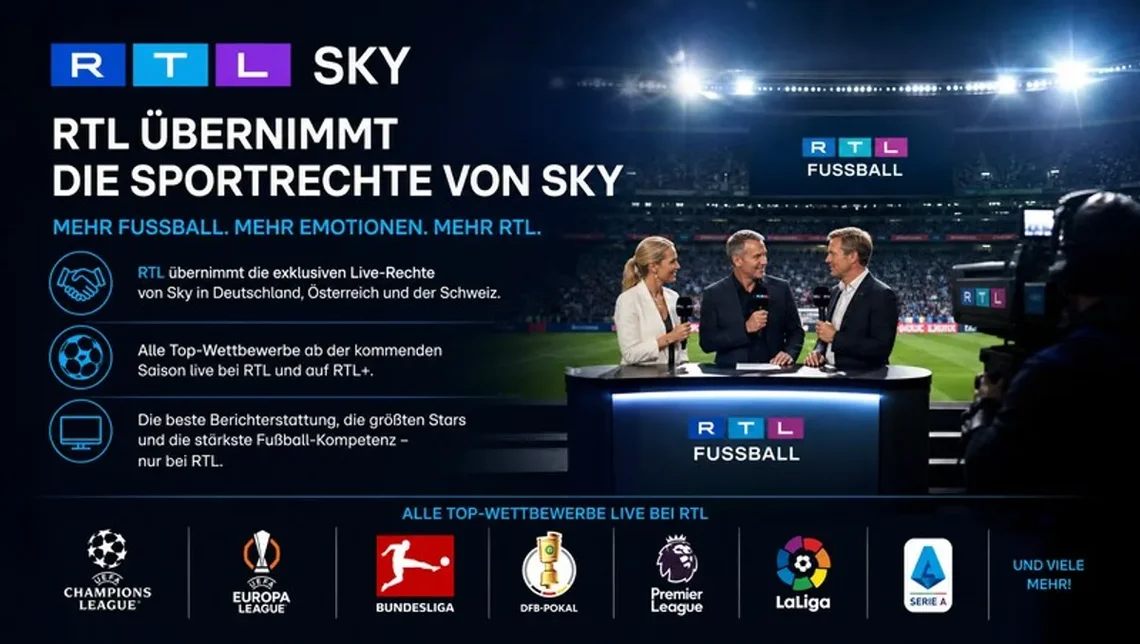
Broadcast rights holders across more than 200 territories will carry live coverage of the final, with kick-off scheduled for the early evening local time to accommodate peak viewing audiences across Europe, Asia, and the Americas. The match will be available on free-to-air broadcasters in selected markets, according to UEFA's broadcast distribution framework. (Source: UEFA Media Rights)
As the countdown to late May continues, both clubs will be focused on the singular objective that defines the entire European campaign — with every tactical session, every squad selection, and every pre-match preparation decision now directed toward a ninety-minute, potentially match-defining showpiece. The Champions League final remains, as it has throughout the modern era, the most scrutinised single club football match on the European calendar, and the anticipation surrounding this edition reflects the quality of the two sides that have earned their place on the continent's grandest stage. For further historical context on the evolution of the competition's concluding fixture, readers can refer to previous ZenNewsUK coverage of the Champions League final set for Paris showdown.