NATO bolsters eastern flank amid Ukraine stalemate
Alliance moves to strengthen defense posture as conflict enters fifth year
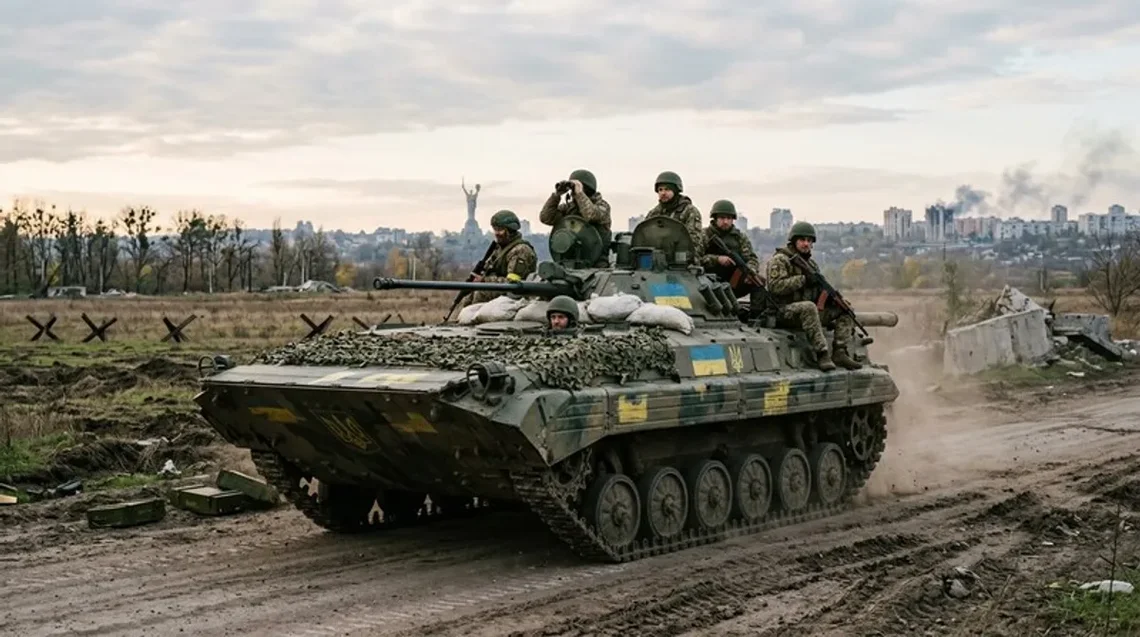
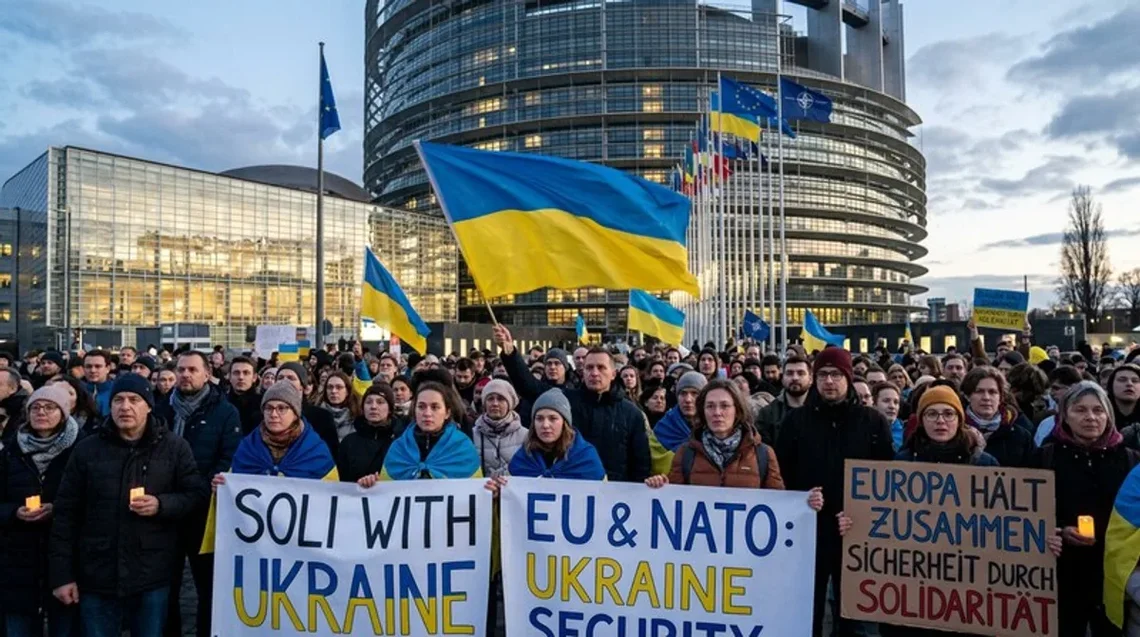
NATO has announced a significant expansion of its military presence along its eastern flank, deploying additional battle groups, air defence systems, and rapid-reaction forces across Poland, the Baltic states, and Romania as the war in Ukraine enters its fifth year with no credible ceasefire in sight. The alliance, comprising 32 member states, is shifting from a posture of deterrence by reassurance to one of deterrence by denial — a doctrinal pivot that defence analysts describe as the most consequential repositioning of Western military power in Europe since the Cold War.
Key Context: NATO's eastern flank stretches from Estonia in the north to Bulgaria in the south — a frontier of more than 2,000 kilometres bordering Russia, Belarus, and the Black Sea. Since the full-scale invasion of Ukraine began, the alliance has elevated its eastern presence from a symbolic tripwire force to what officials describe as a credible forward defence capability. The UK contributes one of NATO's eight multinational battle groups, currently leading the enhanced Forward Presence in Estonia. (Source: NATO Headquarters, Brussels)
A Doctrine Shift Years in the Making
For most of the post-Cold War era, NATO's eastern members — Poland, Estonia, Latvia, and Lithuania chief among them — complained that the alliance's commitments amounted to little more than symbolic gestures. That calculus has changed dramatically. According to Reuters, alliance defence ministers recently approved a package of measures that include pre-positioning heavy equipment, establishing permanent command-and-control nodes, and increasing the rotational presence of American, British, French, and German forces across the region.
From Reassurance to Denial
The shift from "reassurance" to "denial" represents a fundamental rewrite of NATO's operational planning. Under reassurance, the theory held that the mere presence of allied troops on eastern soil would deter aggression. Under denial, the alliance aims to ensure that any Russian military advance would be physically stopped at the border rather than countered in a costly reconquest. Senior alliance officials, speaking on background, told correspondents that the new posture requires forward-deployed armour, integrated air defence, and pre-agreed reinforcement plans that can be activated within hours rather than days. (Source: Foreign Policy)
Related Articles
The Role of Lessons Learned from Ukraine
Military planners have been absorbing lessons from nearly four years of high-intensity conventional warfare in Ukraine at a pace not seen since the Second World War. According to AP, allied commanders have drawn specific conclusions about the centrality of artillery logistics, counter-drone layering, and the vulnerability of command nodes to precision strikes. These lessons are being directly incorporated into the new defence plans for NATO's eastern flank, officials said, with particular emphasis on hardening communications infrastructure and stockpiling ammunition at forward locations rather than relying on just-in-time supply chains.
Country-by-Country Posture
The build-up is not uniform. Each flank nation is receiving tailored enhancements based on geography, existing infrastructure, and assessed threat levels. Poland, which shares a border with both Russia's Kaliningrad exclave and Belarus, has emerged as the alliance's primary eastern hub. Romania anchors the southern dimension, providing access to the Black Sea and serving as a critical transit corridor for arms and materiel flowing into Ukraine.
| Country | Lead NATO Nation | Key Capability Added | Border Exposure |
|---|---|---|---|
| Poland | United States | Patriot air defence, armoured brigade | Russia (Kaliningrad), Belarus |
| Estonia | United Kingdom | Battle group expansion, engineering units | Russia |
| Latvia | Canada | Additional mechanised infantry | Russia, Belarus |
| Lithuania | Germany | Permanent brigade commitment | Russia (Kaliningrad), Belarus |
| Romania | France | Aegis Ashore missile defence, naval assets | Black Sea, Ukraine border |
| Slovakia | Czech Republic | Forward logistics nodes | Ukraine border |
The Suwalki Gap: NATO's Most Vulnerable Point
Defence analysts have long identified the Suwalki Gap — a roughly 100-kilometre land corridor connecting Poland and Lithuania, bordered by Russia's Kaliningrad exclave to the west and Belarus to the east — as NATO's most strategically vulnerable point. A successful Russian operation to sever this corridor would physically isolate the three Baltic states from the rest of the alliance. According to Foreign Policy, this scenario has driven much of the alliance's current planning, with the new German-led brigade in Lithuania explicitly tasked with ensuring the corridor remains open under any contingency. The deployment represents Berlin's most significant forward military commitment since reunification, officials said.
The Ukraine Stalemate and Its Strategic Consequences
The backdrop to NATO's eastern build-up is a war that has settled into a grinding attritional conflict along a roughly 1,000-kilometre front line. Neither side has achieved the decisive breakthrough that would alter the fundamental balance of the conflict, according to UN monitoring reports. Ukrainian forces have demonstrated a capacity to absorb Russian pressure and to conduct limited offensive operations, including the cross-border incursion into Russia's Kursk region, but have been unable to recapture significant amounts of occupied territory. Meanwhile, Russia has increased its defence industrial output substantially, sustaining offensive pressure at a rate that has strained Western arms supply pipelines. (Source: UN Office for the Coordination of Humanitarian Affairs)
Ceasefire Proposals and Alliance Cohesion
Several diplomatic frameworks have been floated in recent months — from broad international peace conferences to more limited bilateral negotiating formats — but none has produced meaningful progress, according to AP. The principal obstacle remains the fundamental incompatibility of the two sides' stated positions: Ukraine insists on the restoration of its internationally recognised borders; Russia has formally annexed four Ukrainian oblasts in addition to Crimea and shows no indication of relinquishing them. Within NATO, the stalemate has produced strategic debates about sustainability, with some members quietly urging Kyiv toward negotiation while others — particularly Poland and the Baltic states — argue that any settlement rewarding Russian aggression will only incentivise further adventurism. (Source: Reuters)
For more on the evolving dynamics of NATO's repositioning, see our coverage of how NATO bolsters eastern flank amid Russia concerns and the broader analysis of why NATO reinforces eastern flank amid Ukraine stalemate with increased battle group capacity.
What This Means for the United Kingdom and Europe
For the United Kingdom, the eastern flank build-up carries immediate and long-term implications across defence spending, diplomatic positioning, and military commitment. Britain is the lead nation for the NATO battle group in Estonia — one of the alliance's most exposed positions — and has pledged to double the size of that deployment, bringing it closer to brigade strength. UK defence officials confirmed that additional armoured infantry and engineering elements are being rotated through the Baltic state on an accelerating schedule. (Source: UK Ministry of Defence)
Britain's Defence Spending Crossroads
The commitments being made across NATO come at a moment of intense domestic debate in the UK about defence spending. The government has committed to raising defence expenditure toward three percent of GDP over the coming decade, a significant departure from the two-percent floor that has defined the alliance's benchmark since the Wales Summit. Senior military figures, cited by Reuters, have argued that the current threat environment makes this trajectory not merely aspirational but operationally necessary. The British Army, which has been reduced to its smallest size in centuries following successive rounds of cuts, is simultaneously being asked to expand its commitments in Estonia, contribute to NATO's rapid reaction forces, and maintain bilateral defence cooperation agreements with Nordic partners following Sweden and Finland's accession to the alliance.
For the wider European continent, the NATO expansion represents a strategic consolidation that carries both reassuring and destabilising dimensions. On one hand, the enhanced forward presence reduces the risk of miscalculation by making clear the costs of any Russian military action against alliance territory. On the other, the build-up risks locking the continent into an extended period of militarisation, elevated defence budgets, and strategic competition that crowds out investment in economic development and climate policy, analysts note. The European Union's own parallel defence initiatives — including the European Defence Fund and joint procurement mechanisms — are accelerating alongside the NATO posture shift, creating what officials in Brussels describe as complementary but distinct layers of European security architecture. (Source: Foreign Policy)
The alliance's internal debates over burden sharing, strategic risk tolerance, and the long-term sustainability of support for Ukraine are also reshaping European politics. Countries like Hungary have staked out positions at variance with the consensus, while newer members Sweden and Finland have moved with striking speed to integrate into alliance structures, offering capabilities — particularly in the High North and Baltic Sea — that significantly strengthen the overall posture. For the latest developments in this strategic competition, see our reports on NATO bolsters eastern flank amid Russia tensions and the alliance's broader ambitions detailed in our analysis of how NATO eyes expanded eastern presence amid Ukraine stalemate.
Russia's Response and Escalation Risk
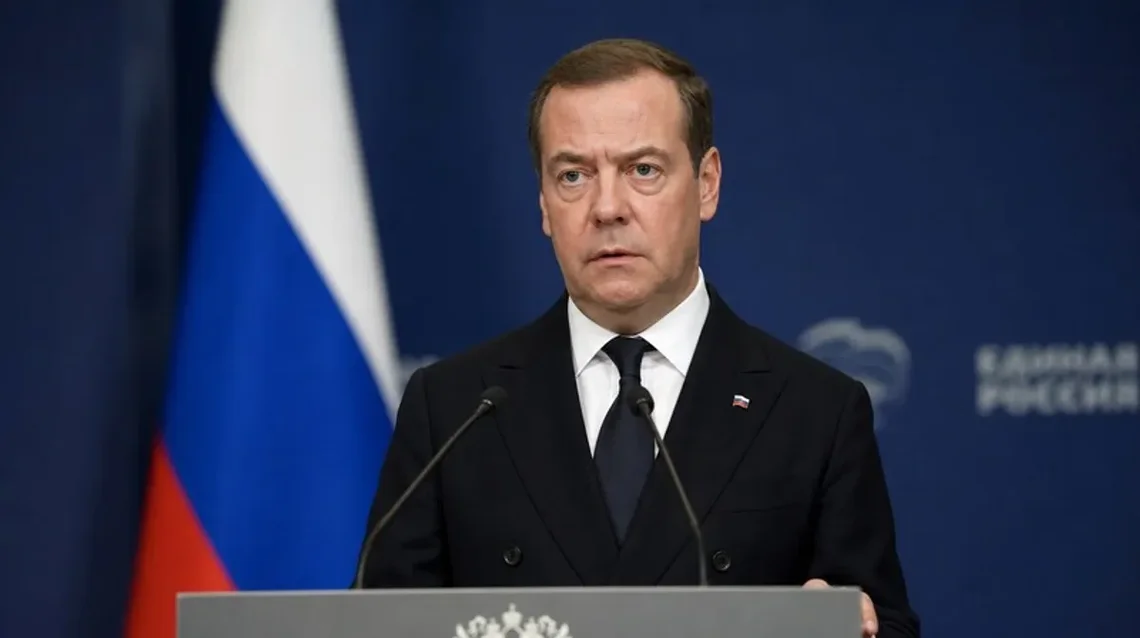
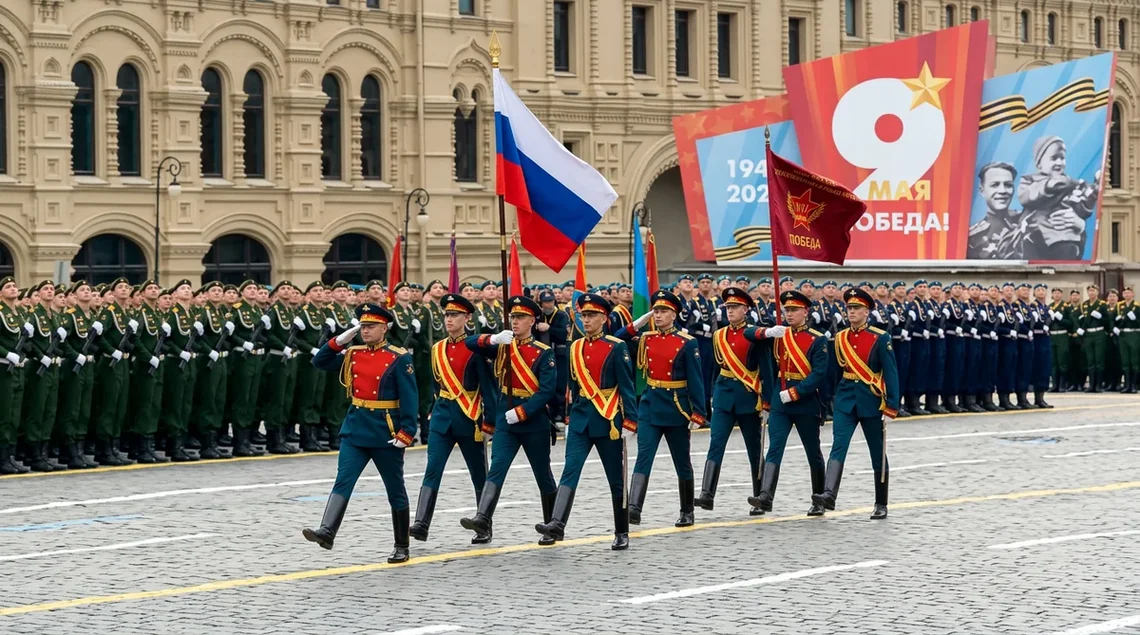
Moscow has characterised NATO's eastern build-up as inherently provocative and has cited it as justification for its own military restructuring. Russian defence officials announced the formation of new military districts along the country's western flank, according to Reuters, and have increased the frequency and complexity of military exercises near the borders of alliance members. Analysts at the International Institute for Strategic Studies and cited in Foreign Policy have cautioned that while the risk of deliberate Russian military action against NATO territory remains assessed as low, the risk of miscalculation, accident, or unintended escalation has risen as military activity on both sides of the frontier intensifies. Cyber operations attributed to Russian state actors against alliance members' critical infrastructure have also increased in frequency and sophistication, officials said.
Nuclear Signalling and Strategic Stability
Russia has accompanied its conventional military posture adjustments with elevated nuclear rhetoric, including revisions to its publicly stated nuclear doctrine that lower the threshold — at least in declaratory terms — for potential nuclear employment. NATO officials have been careful to characterise these statements as strategic signalling rather than operational indicators, but the alliance has nonetheless quietly reviewed and strengthened its own nuclear sharing arrangements, according to AP. The B61-12 nuclear gravity bomb, now being deployed to allied air bases in Europe, represents the most modern US nuclear weapon to be stationed on the continent and forms a central element of the alliance's extended deterrence posture. (Source: AP)
The Long View: A New European Security Architecture
What is taking shape across NATO's eastern flank is not simply a response to the war in Ukraine but the beginning of what many officials and analysts describe as a generational restructuring of European security. The assumptions that underpinned the post-Cold War order — that economic interdependence would moderate Russian behaviour, that military confrontation in Europe was a historical anachronism, that defence budgets could be sustainably reduced — have been systematically dismantled by events since the full-scale invasion began. In their place, a new architecture is emerging, one built on forward deterrence, industrial-scale arms production, and an acceptance that strategic competition with Russia is a long-duration challenge requiring sustained political will and financial commitment. Whether democratic publics across Europe and North America will sustain that will through elections, economic pressures, and the fatigue of a conflict without a clear resolution remains the central unanswered question for the alliance and for the continent. For the full context of how this strategic shift developed, see our in-depth report on NATO bolsters eastern defenses amid Ukraine stalemate.