NATO expands Eastern European presence amid Russian buildup
Alliance reinforces Baltic states with new deployments
NATO has launched a significant expansion of its military presence across Eastern Europe and the Baltic states, deploying additional battle groups, air defence systems, and rotational forces in direct response to sustained Russian military activity along the alliance's eastern flank. The reinforcement represents one of the most substantial shifts in NATO's forward posture since the alliance's founding, with member states committing thousands of additional troops and advanced weapons platforms to countries that share borders with Russia and Belarus.
Key Context: NATO's eastern flank stretches from Estonia in the north to Romania and Bulgaria in the south — a frontline of approximately 2,000 kilometres. Following Russia's full-scale invasion of Ukraine, NATO activated its defence plans for the first time in its history and elevated its eastern posture from "reassurance" to "deterrence." The alliance currently maintains eight multinational battle groups across Estonia, Latvia, Lithuania, Poland, Slovakia, Hungary, Romania, and Bulgaria, with combined troop numbers running into the tens of thousands. Finland and Sweden's recent accession has further extended NATO's geographical perimeter, adding strategic depth in the Nordic-Baltic region. (Source: NATO Headquarters, Brussels)
Scale and Scope of the New Deployments
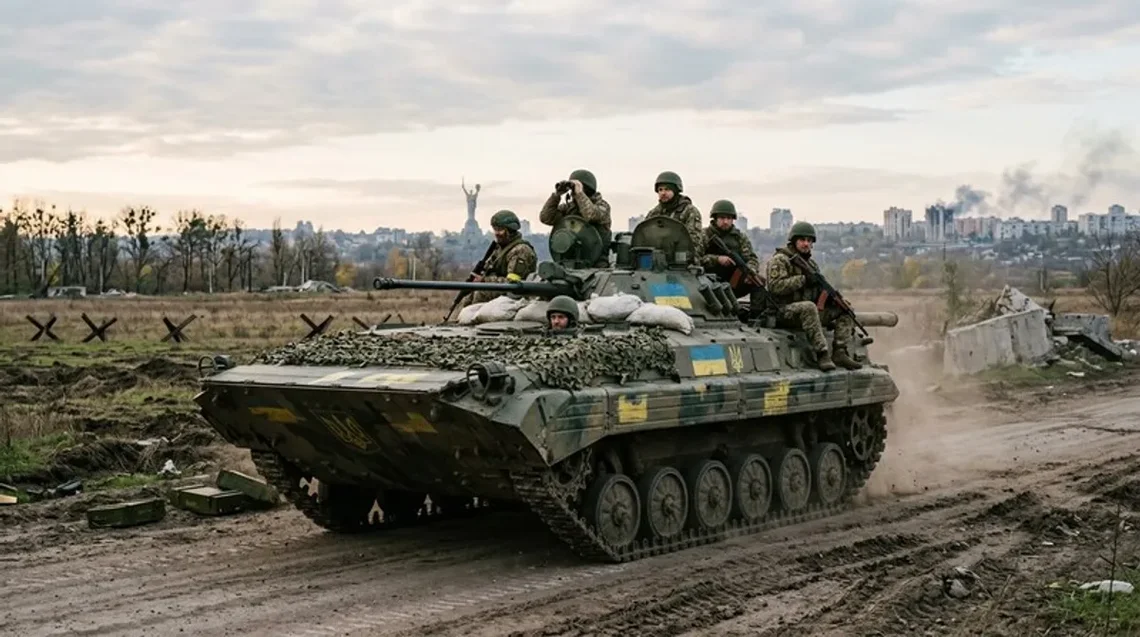
Senior NATO officials have confirmed that the reinforcement package includes the expansion of existing battle groups to brigade-level strength in several Baltic nations, a move that effectively triples the combat power available to local commanders at short notice, according to alliance statements. Additional air defence batteries, including Patriot and NASAMS systems, have been positioned to cover critical corridors and population centres, officials said.
Baltic States Take Centre Stage
Estonia, Latvia, and Lithuania — the three NATO members with the most exposed eastern borders — are receiving the largest proportional increases in allied presence. The United Kingdom leads the enhanced Forward Presence battle group in Estonia, while Germany commands the multinational force in Lithuania, which Berlin has committed to expanding to a full brigade with permanently rotated forces rather than short-term deployments. Canada anchors the Latvian contingent. According to NATO planning documents reviewed by multiple outlets, the combined allied footprint in the three Baltic states now exceeds 10,000 troops when support and logistics personnel are included. (Source: Reuters)
Related Articles
Poland as the Strategic Anchor
Poland, which shares a border both with Russia's Kaliningrad exclave and with Belarus, has emerged as NATO's primary logistics and command hub in Central Europe. The United States has established a permanent rotational headquarters on Polish soil, and the total number of American forces stationed in the country has risen sharply over the past two years, according to Pentagon briefings. Poland has simultaneously accelerated its own defence spending to more than four percent of gross domestic product — the highest ratio of any NATO member — funding the purchase of American-made Abrams tanks, South Korean artillery systems, and advanced F-35 fighter jets. (Source: AP)
The Russian Military Posture Driving the Response
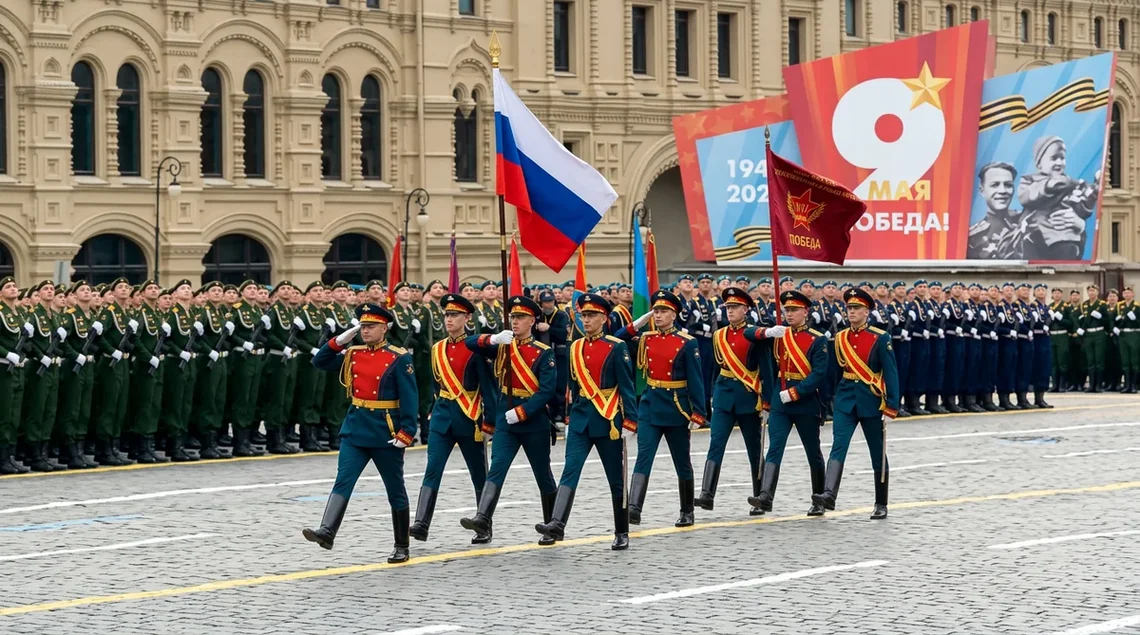
Western intelligence assessments, shared among NATO member states, describe a sustained Russian effort to reconstitute and expand ground and air forces along the alliance's borders, even as Moscow's military remains heavily committed in Ukraine. Russian forces in the Western and Northwestern Military Districts have undergone structural reorganisation, with several divisions and armies reformed after suffering significant attrition, officials said.
Kaliningrad and the Suwalki Gap
Military planners within NATO have consistently identified the Suwalki Gap — a roughly 100-kilometre land corridor linking Poland and Lithuania that separates Kaliningrad from Belarus — as one of the alliance's most strategically sensitive chokepoints. Russian forces in Kaliningrad maintain Iskander-M ballistic missile systems capable of striking targets across much of Northern Europe, and the exclave hosts substantial air defence and naval assets in the Baltic Sea. Any conflict scenario that severed the Suwalki Gap would isolate the Baltic states from overland resupply, a vulnerability that new NATO deployments are explicitly designed to deter. (Source: Foreign Policy)
UK and European Implications
For the United Kingdom, the expanded NATO posture carries both strategic and financial weight. Britain's commitment to leading the Estonia battle group, combined with broader deployments to Poland and Romania, means the British Army has more troops serving on NATO's eastern flank than at any point since the Cold War. Defence analysts and parliamentary committees have noted that sustaining these commitments places pressure on an army whose overall size has fallen to its lowest level in modern history, creating a tension between ambition and capacity that officials have publicly acknowledged.
UK Defence Spending Under Scrutiny
The UK government has pledged to raise defence spending to 2.5 percent of GDP within the current parliament, a figure that NATO Secretary-General Jens Stoltenberg and his successor Mark Rutte have both described as a floor rather than a ceiling given the current threat environment. British officials have argued that London's contribution extends beyond troop numbers to include intelligence sharing through the Five Eyes network, nuclear deterrence under NATO's strategic framework, and significant military aid to Ukraine that indirectly relieves pressure on the alliance's eastern members. (Source: Reuters)
For the European Union's non-NATO members and for neutral countries adjacent to the conflict zone, the alliance's expansion also signals a broader reconfiguration of the continent's security architecture. EU member states that are also NATO allies have deepened defence-industrial cooperation, accelerating joint procurement of ammunition, missiles, and air defence systems in a recognition that European stockpiles were far below wartime requirements. (Source: AP)
Finland and Sweden: Changing the Nordic Calculus
The accession of Finland and Sweden to NATO has transformed the strategic geography of the Nordic-Baltic region in ways that military planners are still fully mapping. Finland alone adds more than 1,300 kilometres of new border with Russia — longer than all previous NATO-Russia borders combined — along with a battle-hardened defence force of roughly 280,000 trained reservists and significant indigenous artillery capability. Sweden contributes advanced Gripen fighter aircraft, sophisticated submarine and surface naval assets, and deep expertise in high-latitude warfare.
Together, the two Nordic additions mean that the Baltic Sea is now almost entirely enclosed by NATO territory, limiting Russian naval freedom of manoeuvre and complicating Moscow's ability to use its Baltic Fleet as a strategic instrument. Military analysts writing in Foreign Policy have described this as one of the most consequential geopolitical shifts in European security in decades — and a direct, if unintended, consequence of Russian strategic decision-making. (Source: Foreign Policy)
Alliance Cohesion and Political Tensions
Despite the broad consensus on eastern reinforcement, NATO's internal politics have grown more complex. Debates over burden-sharing, the pace of spending increases, and the appropriate level of direct support to Ukraine have created friction points among member governments. Some Eastern European capitals — Warsaw, Tallinn, and Vilnius prominently among them — have pressed for a formal shift away from rotational deployments to permanent basing arrangements, arguing that rotation creates predictable gaps that adversaries can exploit.
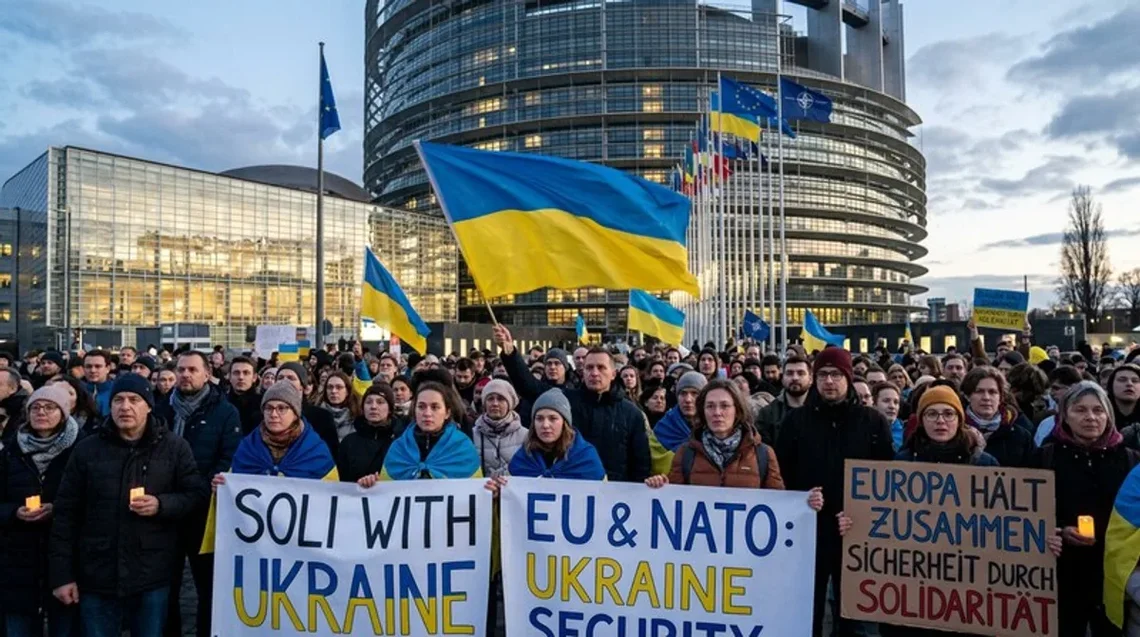
Western European members have generally resisted explicit "permanent basing" language, partly to preserve diplomatic ambiguity and partly for budgetary reasons, though the practical distinction between a large, continuously rotated force and a permanent garrison has narrowed considerably, officials said. The United States, under successive administrations, has maintained its commitment to Article 5 collective defence, though uncertainty about the durability of that commitment has prompted European allies to accelerate their own defence investments rather than rely solely on American guarantees. (Source: AP)
For further background on how the alliance has evolved its strategic posture, readers can consult related reporting on NATO bolsters eastern flank amid Russian military buildup, which details earlier phases of the reinforcement effort. Analysis of the diplomatic underpinnings of the current posture is available in coverage of NATO bolsters Eastern European defenses amid Russian threats, while the longer-term planning debates within the alliance are examined in reporting on NATO Weighs Expanded Eastern European Presence.
Timeline of NATO's Eastern Reinforcement
| Period | Key Development | Lead Nation(s) | Significance |
|---|---|---|---|
| Post-2014 | Enhanced Forward Presence established; four battle groups deployed to Baltic states and Poland | UK, Germany, Canada, USA | First sustained NATO ground presence on eastern flank |
| Early conflict period | NATO activates defence plans; additional battle groups added in southern flank states | Multiple allies | Expansion from four to eight battle groups; first activation of defence plans |
| Nordic accession phase | Finland joins NATO; Sweden follows shortly after | Finland, Sweden | Over 1,300 km of new Russia border added; Baltic Sea becomes near-NATO lake |
| Current phase | Battle groups expanded toward brigade strength; Germany commits permanent brigade to Lithuania | Germany, UK, USA, Poland | Largest eastern presence since Cold War; shift toward forward defence doctrine |
| Ongoing | Increased air defence deployments; Patriot and NASAMS systems positioned in Baltic region | USA, Netherlands, Germany | Layered air defence coverage of critical NATO territory |
What Comes Next
NATO defence ministers are expected to continue refining the alliance's Regional Plans — classified strategic documents that assign specific responsibilities to member states for the defence of defined geographic areas — at upcoming ministerial meetings. The plans, described in broad terms by officials but not publicly released, represent the most detailed operational thinking the alliance has produced since the Cold War and are intended to ensure that reinforcements can flow rapidly to any point on the eastern flank within days rather than weeks.
A United Nations report on European security trends noted that military spending across the continent has risen to its highest collective level in the post-Cold War era, reflecting a broad assessment among governments that the security environment has fundamentally changed and that the assumptions of the post-1991 peace dividend no longer apply. (Source: UN Department of Political and Peacebuilding Affairs)
For the UK and its European partners, the operational and financial commitments entailed by NATO's eastern expansion are not temporary crisis measures but the beginning of a structural shift in how the continent organises, funds, and projects military power. Whether that shift proves sufficient to deter further Russian adventurism — or whether it accelerates the very tensions it seeks to manage — remains the defining strategic question of the current era. Further context on the evolving alliance posture is available in earlier coverage of NATO bolsters Eastern Europe presence amid Russia tensions and in the detailed analysis published under NATO expands eastern defenses amid Russian military buildup.