Russia Vetoes UN Resolution on War Crimes Probe
Security Council deadlock deepens over Ukraine investigation

Russia has vetoed a United Nations Security Council resolution that would have established an independent international commission to investigate war crimes and other serious violations of international humanitarian law in Ukraine, deepening a diplomatic deadlock that has paralysed the world body's ability to respond to the conflict. The move, which drew immediate condemnation from Western governments and human rights organisations, underscores the fundamental tension at the heart of the UN's architecture — a permanent member accused of grave violations retains the power to block accountability for those very acts.
Key Context: Russia holds one of five permanent seats on the UN Security Council, granting it veto power over any binding resolution. Since the full-scale invasion of Ukraine began, Russia has used this veto on multiple occasions to block resolutions critical of its military conduct. The International Criminal Court has already issued an arrest warrant for Russian President Vladimir Putin in connection with the alleged unlawful deportation of Ukrainian children — a charge Moscow rejects. Ukraine is not a member of the ICC but accepted the court's jurisdiction for events on its territory.
The Vote and Its Immediate Aftermath
The resolution, co-sponsored by Ukraine and a coalition of Western nations including the United Kingdom, France, and the United States, called for the creation of a dedicated investigative body with broad access to territory and witnesses across the conflict zone. It received the affirmative votes of thirteen Security Council members, with Russia voting against and China abstaining, according to UN records.
Russia's Stated Justification
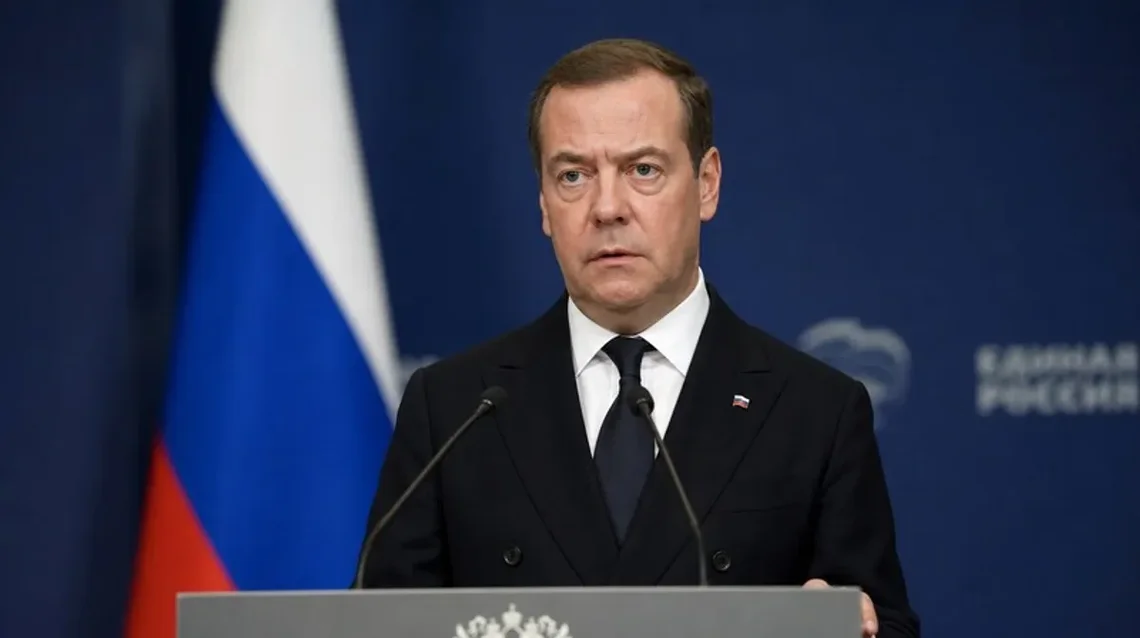
Russia's ambassador to the United Nations characterised the resolution as a politically motivated instrument designed to delegitimise Russian military operations rather than a genuine effort to uphold international law. Moscow has consistently argued that existing mechanisms, including those operated by the Russian military prosecutor's office, are sufficient to address allegations of misconduct by its forces. Western diplomats dismissed those assurances as implausible given the scale and consistency of documented incidents, officials said.
Related Articles
China's abstention, while not blocking the resolution on its own, was read by analysts as a deliberate signal of Beijing's reluctance to openly condemn Russia while seeking to preserve its image as a neutral mediator — a balancing act that has grown increasingly difficult as evidence of atrocities in civilian areas has mounted (Source: Foreign Policy).
The Accountability Gap: What the Veto Means in Practice
The failure of the Security Council resolution does not eliminate all avenues for accountability, but it removes what would have been the most authoritative and operationally capable investigative mechanism available under UN auspices. Human rights lawyers and international legal scholars have warned that the resulting accountability gap creates conditions in which perpetrators on all sides of any conflict may calculate that serious violations carry minimal institutional risk.
Existing Investigative Mechanisms and Their Limitations
The UN Human Rights Monitoring Mission in Ukraine, the Independent International Commission of Inquiry on Ukraine established by the Human Rights Council, and the ICC's own investigations remain active, officials said. However, none of these bodies possesses the Security Council's authority to compel cooperation from member states or to mandate the preservation and transfer of evidence. The commission established through the Human Rights Council, which has documented a pattern of violations including extrajudicial killings, torture, and forced displacement, operates without enforcement mechanisms (Source: UN reports).
The ICC's jurisdiction, while significant, is limited by the fact that Russia — like the United States and China — has not ratified the Rome Statute, meaning Russian nationals cannot be compelled to appear before the court absent a Security Council referral, which Russia would inevitably veto (Source: Reuters).
The Role of the General Assembly
Following precedents set during earlier Security Council deadlocks, diplomats have suggested that the UN General Assembly could convene an emergency special session under the "Uniting for Peace" procedure, which allows the Assembly to address threats to international peace when the Security Council is paralysed. While General Assembly resolutions are non-binding, they carry significant political weight and have historically shaped international norms and public opinion. Several member states are reportedly exploring this route (Source: AP).
Documented Violations and the Evidentiary Record
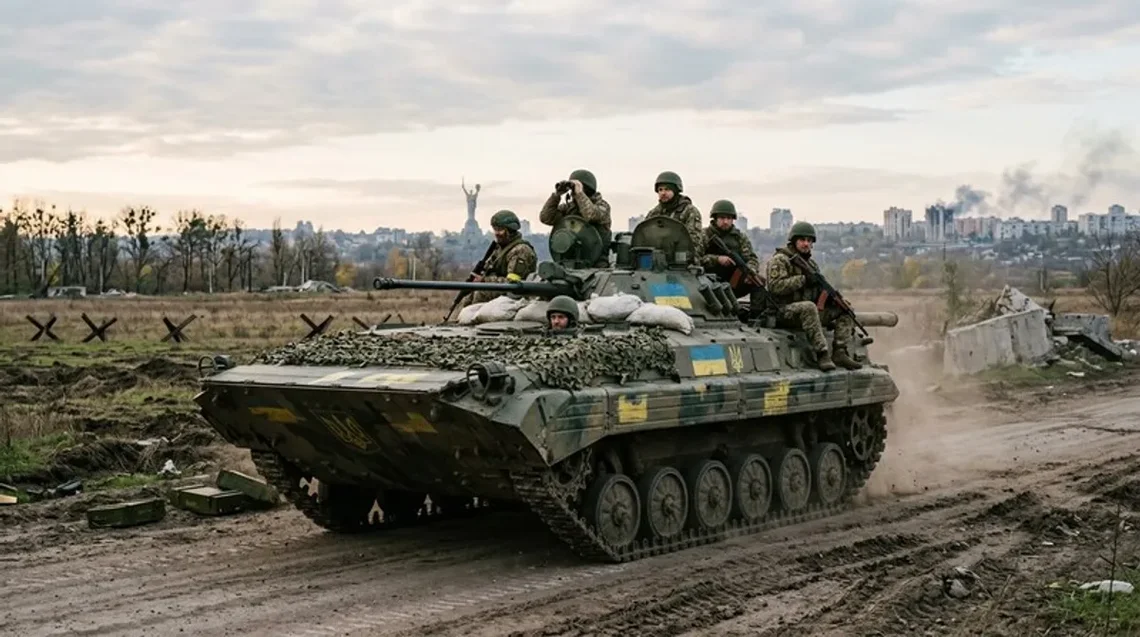
The call for an independent commission was driven in part by the breadth and consistency of documented incidents attributed to Russian forces. Mass graves discovered in areas previously under Russian occupation, satellite imagery analysed by open-source investigators, survivor testimony collected by NGOs, and forensic evidence gathered by Ukrainian prosecutors have collectively produced what the UN Human Rights Monitoring Mission described as reasonable grounds to believe that serious violations of international humanitarian law have been committed (Source: UN reports).
Bucha and the Pattern of Evidence
The town of Bucha, near Kyiv, became an early focal point of international concern after the withdrawal of Russian forces revealed the bodies of civilians, some showing signs of summary execution. Russian officials denied responsibility and alleged that the evidence was fabricated — claims that were rejected by multiple independent investigative bodies and by forensic analyses conducted by European and North American experts (Source: Reuters). Bucha has since become emblematic of a broader documented pattern that extends to Mariupol, Kherson, Kharkiv oblast, and other regions that have experienced Russian occupation.
Implications for the UK and Europe
For the United Kingdom and European allies, Russia's veto carries consequences that extend well beyond the immediate legal and diplomatic dimensions of the Ukraine conflict. The failure of this resolution reinforces a strategic reality that European governments have been grappling with since the full-scale invasion began: the rules-based international order, as currently structured, contains fundamental vulnerabilities that a determined permanent member of the Security Council can exploit with impunity.
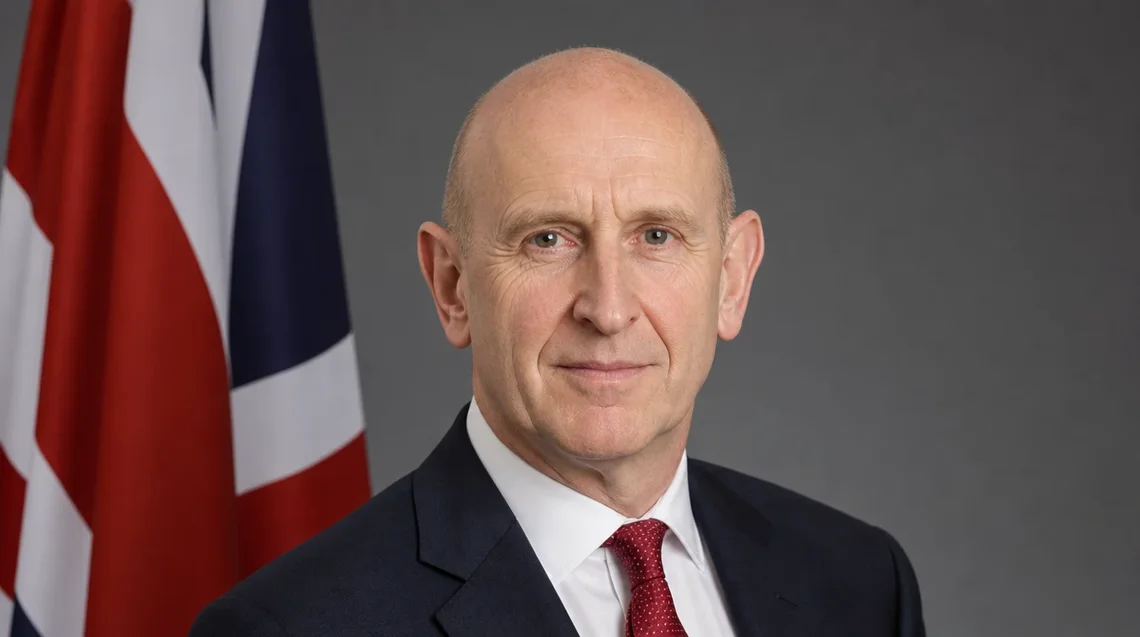
The UK government, which co-sponsored the resolution, has invested significant diplomatic capital in building the coalition that backed the text. Foreign Office officials described the veto as deeply regrettable and pledged continued support for accountability efforts through all available legal channels, officials said. Britain has been among the leading contributors to the ICC's investigative fund and has seconded personnel to support evidence-gathering operations in Ukraine.
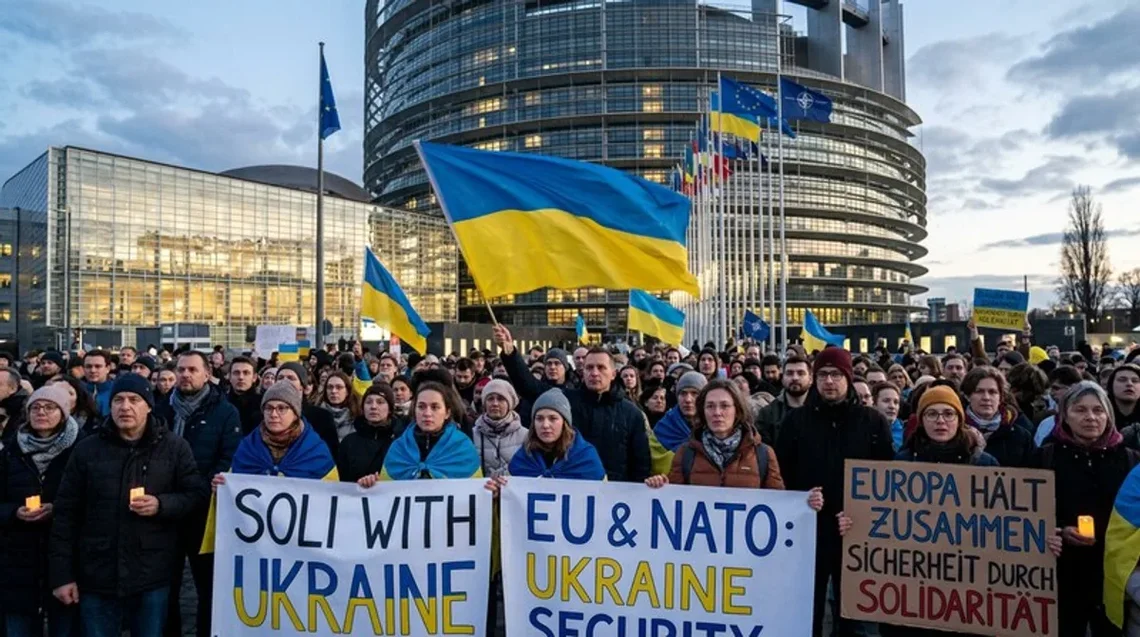
European unity on the accountability question remains broadly intact, though the pace and ambition of responses have varied across member states. The European Union has pursued parallel tracks — including asset freezes and travel bans targeting individuals implicated in atrocities — as part of its expanding sanctions architecture. Readers tracking the evolution of that response can find detailed coverage in our reporting on how EU sanctions policy has tightened in response to Ukraine escalation and how Brussels has responded to successive phases of the Russian offensive.
NATO's posture has also been shaped by the pattern of documented violations and the broader strategic threat they represent. Alliance members have interpreted Russia's conduct in Ukraine as evidence of intentions that cannot be managed through diplomatic engagement alone, reinforcing the case for sustained military investment on the eastern flank. Coverage of those developments is available in our analysis of how NATO has bolstered its eastern flank amid Russia concerns.
Geopolitical Fault Lines at the Security Council
The vote crystallised divisions within the Security Council that have been hardening throughout the conflict. Western permanent members — the United States, United Kingdom, and France — have consistently backed resolutions critical of Russian conduct, while Russia has vetoed each substantive measure. China has calibrated its position carefully, typically abstaining rather than voting with Moscow, a distinction that preserves Beijing's self-presentation as a potential mediator while avoiding direct confrontation with its strategic partner.
The Broader Reform Debate
The recurrent use of the veto to block accountability measures has renewed calls from a range of member states — particularly from the Global South and from smaller European nations — for structural reform of the Security Council. Proposals have ranged from expanding permanent membership to creating mechanisms that would limit veto use in cases involving mass atrocities. France has long advocated for a voluntary code of conduct among permanent members to suspend veto use in such circumstances, but the initiative has gained no traction with Russia or China (Source: Foreign Policy).
Germany and Japan, both current non-permanent members with longstanding aspirations to permanent seats, used their statements following the vote to call explicitly for reform. Their positions reflect a growing consensus among mid-sized democracies that the current architecture systematically protects the most powerful states from the accountability frameworks they nominally champion (Source: AP).
What Comes Next
Diplomatic sources indicate that Western nations will pursue a multi-track response to the veto. These tracks include accelerating support for the ICC's existing investigations, exploring General Assembly action under the Uniting for Peace procedure, expanding the mandate and resources of the Human Rights Council commission, and continuing to press for the seizure and repurposing of frozen Russian sovereign assets to fund both reconstruction and accountability infrastructure in Ukraine (Source: Reuters).
Ukraine's government has reiterated its commitment to a domestic accountability process through a newly established specialised court, though legal experts have cautioned that prosecutions conducted by a party to the conflict — however procedurally rigorous — will face challenges of perceived impartiality that an independent international body would not. The question of whether an effective accountability mechanism can be constructed outside the Security Council's authority remains, for now, unanswered.
As the conflict enters another phase with no negotiated settlement in sight, the failure of the Security Council to authorise an independent war crimes investigation will be recorded as a moment that tested the limits of international law's reach — and found them wanting. For European governments and their publics, the implications are both immediate and long-term: a neighbour prosecuting a war of aggression faces no binding international accountability mechanism, and the institutions designed to provide one have been rendered inert by the rules that govern them. Coverage of the wider security response continues in our reporting on how NATO is preparing its enhanced eastern flank posture and in the ongoing analysis of sanctions pressure during periods of military stalemate.
| Period | Resolution Subject | Outcome | Russia Vote | China Vote |
|---|---|---|---|---|
| Early conflict phase | Demands ceasefire and withdrawal of Russian forces | Vetoed | Against | Abstain |
| Post-Bucha revelations | Calls for independent investigation into civilian killings | Vetoed | Against | Abstain |
| Annexation period | Declares illegal annexation of Ukrainian territories null and void | Vetoed (passed in General Assembly) | Against | Abstain |
| Infrastructure attacks phase | Calls for protection of civilian energy infrastructure | Vetoed | Against | Abstain |
| Current | Establishes independent war crimes investigative commission | Vetoed | Against | Abstain |
Sources: Reuters, Associated Press, UN Security Council records, UN Human Rights Monitoring Mission in Ukraine, Foreign Policy. Reporting contributed by ZenNewsUK diplomatic correspondents.