UN Security Council deadlocked on Gaza aid as ceasefire stalls
Russia and China block Western resolution amid humanitarian crisis
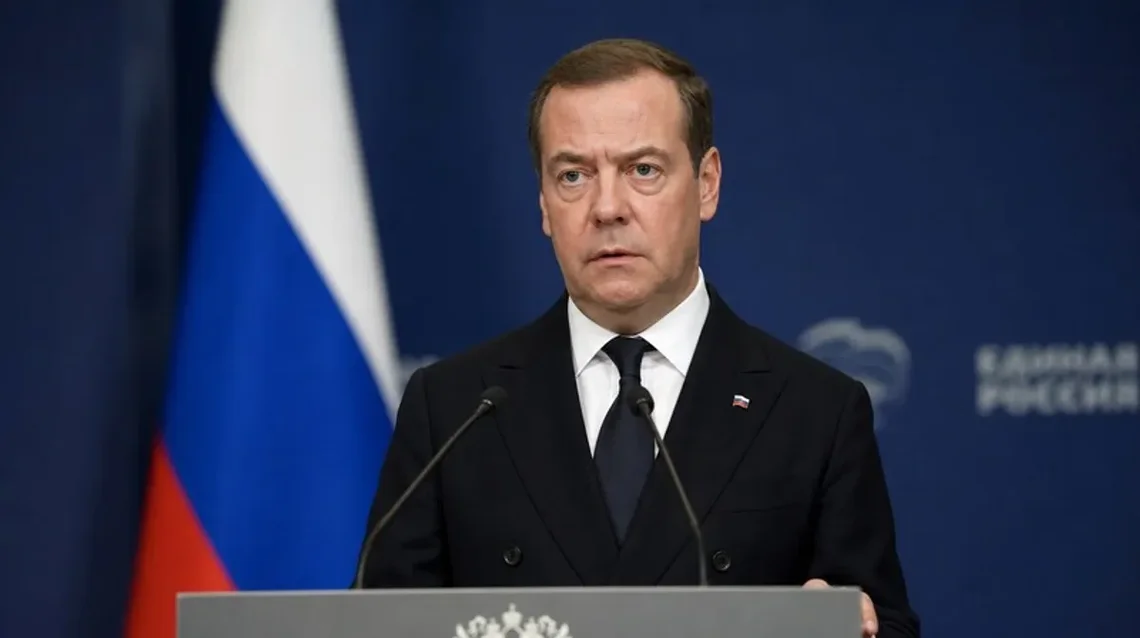
The United Nations Security Council remains paralysed over the worsening humanitarian catastrophe in Gaza, after Russia and China vetoed a Western-backed resolution that would have mandated immediate and unimpeded aid access to the besieged territory. The failure marks at least the fourth time in recent months that the Council has been unable to act collectively on the conflict, with civilians paying an increasingly steep price for the geopolitical impasse.
Key Context: The UN Security Council has 15 members, five of which hold permanent veto power: the United States, United Kingdom, France, Russia, and China. Any single veto from a permanent member kills a resolution outright. Since the outbreak of the current conflict in Gaza, the Council has failed to pass binding resolutions on multiple occasions, rendering the body largely ineffective as a mechanism for crisis management in this conflict. The UN Office for the Coordination of Humanitarian Affairs (OCHA) estimates that more than two million people in Gaza face acute food insecurity, with northern areas particularly cut off from aid corridors. (Source: UN OCHA)
The Vote and Its Immediate Fallout
The United States, United Kingdom, and France co-sponsored a draft resolution calling for an immediate humanitarian ceasefire, unhindered access for aid agencies, and the release of all hostages. Russia and China cast vetoes, arguing the text was one-sided and failed to adequately condemn what they described as provocative actions by parties aligned with Western governments. The vote drew sharp condemnation from humanitarian organisations and several non-permanent Council members, according to Reuters.
The Veto Arguments
Russia's UN Ambassador argued in chamber remarks that the resolution was "diplomatically weaponised" and designed not to achieve peace but to deflect accountability from Israel and its Western backers, officials said. China's representative echoed the position, calling for a "balanced" text that acknowledged the root causes of the conflict more explicitly. Western diplomats rejected the characterisation, insisting the resolution's sole purpose was to protect civilian lives and restore aid flows. The diplomatic exchange underscored a broader fracture in the Council that has become a defining feature of the body's recent paralysis — a pattern explored in depth through reporting on the UN Security Council deadlocked on Gaza aid access.
Related Articles
Abstentions and Swing Votes
Several non-permanent members, including Algeria, which holds a rotating seat and has been among the most vocal advocates for Palestinian civilians, voted in favour of the resolution. No member abstained, making the outcome a stark binary failure driven entirely by the two permanent vetoes, according to AP. The lack of abstentions signals a rare moment of near-consensus among elected Council members, further isolating Moscow and Beijing on the question of humanitarian access, diplomats said.
The Humanitarian Situation on the Ground
The political deadlock in New York is compounded by a catastrophic situation in Gaza, where aid agencies report severe shortages of food, medicine, clean water, and fuel. The World Food Programme has warned of famine conditions in parts of the northern territory, and medical facilities are operating far beyond capacity with dwindling supplies. (Source: World Food Programme)
Aid Access and Corridor Disputes
Humanitarian organisations including UNRWA and Médecins Sans Frontières have repeatedly reported that aid convoys face obstructions, including delayed approvals, rerouting, and security incidents. The UN has documented dozens of instances in which aid trucks were turned back or looted, according to UN OCHA reports. The failure to secure a binding Council resolution removes any formal international legal pressure to open and maintain consistent corridors, aid officials said. This is not the first time the Council has reached this point — earlier attempts at resolution have been similarly frustrated, as documented in coverage of the UN Security Council deadlocked over Gaza aid extension.
Civilian Casualties and Displacement
The Gaza Health Ministry, whose figures are cited by UN agencies despite caveats about verification methods, reports a death toll in the tens of thousands, the majority of whom are said to be women and children. More than 1.5 million people have been internally displaced, many multiple times, according to OCHA. Entire neighbourhoods have been rendered uninhabitable, and the UN estimates reconstruction, even if it were to begin immediately, would take decades. (Source: UN OCHA)
Ceasefire Negotiations: Where Talks Stand
Parallel to the UN process, indirect ceasefire negotiations mediated by Qatar, Egypt, and the United States have produced incremental but fragile progress. Reports from Reuters and AP indicate that talks have repeatedly stalled over the sequencing of a hostage-for-prisoner exchange and over whether any ceasefire would be temporary or lead to a permanent cessation of hostilities. Neither party has publicly committed to a final framework, and the negotiating timeline remains fluid.
The Hostage Question
Mediators face a complex and politically explosive core issue: the fate of hostages held in Gaza following the October attacks, and the Palestinian prisoners held in Israeli jails. Both sides have publicly demanded terms the other has rejected. Foreign Policy has reported that internal divisions within the Israeli government over the terms of any deal have complicated the negotiating picture considerably, with hardline coalition members opposed to any agreement that could be characterised as a strategic concession. (Source: Foreign Policy)
Parallels With Ukraine: A Council in Crisis
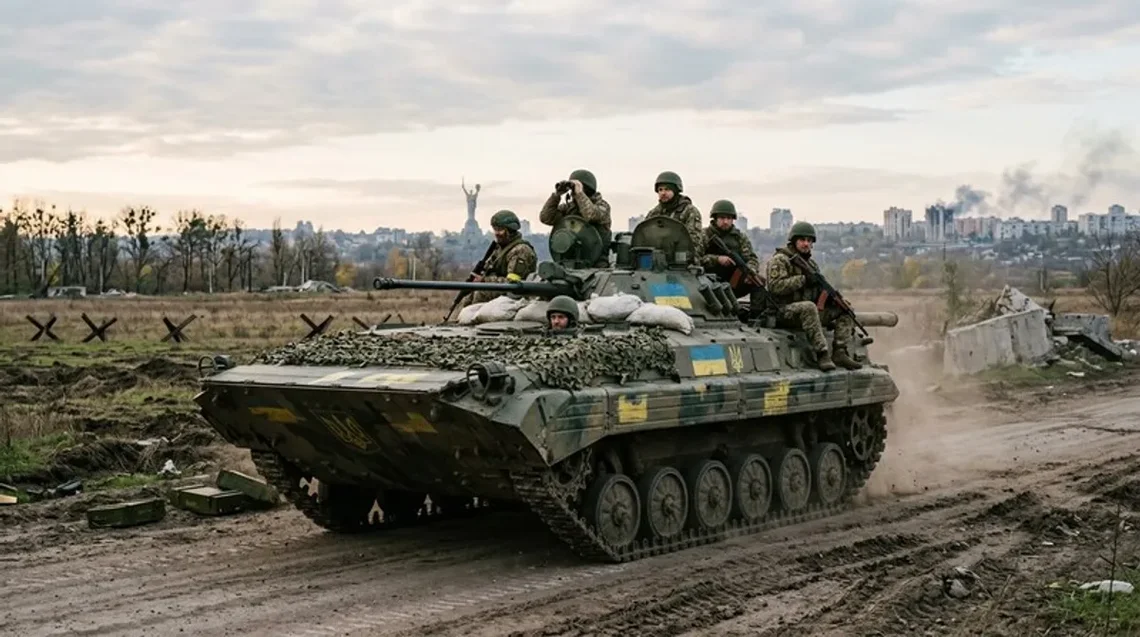
The dysfunction over Gaza does not exist in isolation. The Security Council has faced near-identical gridlock over the war in Ukraine, where Russian vetoes have similarly blocked binding resolutions on ceasefires and accountability mechanisms. The structural parallels between the two conflicts have led many diplomats and analysts to question whether the Council in its current form remains a viable instrument for managing major power conflicts. The pattern is directly comparable to the impasse documented in reporting on the UN Security Council deadlocked on Ukraine ceasefire vote, and reinforced by subsequent failures covered under the UN Security Council deadlocked on Ukraine ceasefire proposal.
Reform Proposals and Their Limits
A growing coalition of member states, including Germany, Japan, and several African Union members, has pushed for structural reform of the Council, including limiting veto use in cases of mass atrocities. France has itself historically supported a voluntary code of conduct on veto use during humanitarian crises. However, any formal amendment to the UN Charter requires ratification by two-thirds of member states including all five permanent members — a threshold that makes reform, in practical terms, close to impossible in the near term, analysts said. (Source: UN General Assembly records)
What This Means for the UK and Europe
For the United Kingdom and its European partners, the Security Council deadlock carries significant diplomatic and strategic consequences. Britain, as a permanent Council member and co-sponsor of the failed resolution, faces heightened scrutiny over its role in the conflict — both from domestic political opposition and from partner governments in the Global South that have grown increasingly critical of what they characterise as Western double standards in the application of international law.
Within the European Union, divisions have persisted between member states more closely aligned with Israel's position, such as Germany and the Czech Republic, and those pressing harder for an immediate ceasefire, including Ireland, Spain, and Belgium. These internal fault lines have undermined the EU's ability to project a coherent foreign policy posture on the conflict, limiting its diplomatic leverage, according to reporting by Reuters and Foreign Policy.
For British policymakers specifically, the Gaza crisis intersects with broader debates over the UK's post-Brexit foreign policy identity. London has sought to maintain close alignment with Washington on security matters while simultaneously advocating for humanitarian principles in multilateral forums. That dual positioning has become increasingly difficult to sustain as the civilian toll rises and public pressure intensifies, officials and analysts said. The ongoing failure to secure Council action — most recently highlighted in coverage of the UN Security Council deadlocked on Gaza aid renewal — adds further urgency to calls in Westminster for a more assertive independent posture.
| Resolution Focus | Outcome | Vetoed By | Western Co-Sponsors |
|---|---|---|---|
| Immediate humanitarian ceasefire | Failed (vetoed) | Russia, China | US, UK, France |
| Aid access and corridor protection | Failed (vetoed) | Russia, China | UK, France |
| Aid renewal and UNRWA operations | Failed (vetoed) | United States | N/A |
| Gaza aid extension mechanism | Failed (vetoed) | Russia, China | US, UK, France |
| Ukraine ceasefire (comparative) | Failed (vetoed) | Russia | US, UK, France |
International and Regional Responses
Arab League member states have issued collective statements condemning the Council's failure to act, with several foreign ministers calling for the General Assembly to convene an Emergency Special Session under the Uniting for Peace procedure — a mechanism that bypasses the Security Council but produces only non-binding resolutions. South Africa's ongoing case against Israel at the International Court of Justice, which alleges violations of the Genocide Convention, continues in parallel and is being watched closely by both sides of the debate as a potential vehicle for accountability outside the Council framework. (Source: International Court of Justice)
Regional Destabilisation Risks
Security analysts and UN officials have warned that the prolonged conflict, with no credible political horizon, carries escalatory risks for the wider region. Cross-border exchanges involving Lebanon, exchanges in the Red Sea, and incidents in Syria and Iraq have all been connected, to varying degrees, to the dynamics of the Gaza conflict. European governments have particular cause for concern given their proximity and their economic exposure to Middle East instability, including energy market sensitivity and migration pressures, officials said.
Outlook: Diminishing Options
With the Security Council functionally blocked and ceasefire negotiations producing no binding outcome, the range of available multilateral tools is narrowing. Humanitarian organisations operating on the ground continue to appeal for access and funding, but without a political resolution or enforceable legal framework, their capacity to reach civilians in the most affected areas remains severely constrained. Diplomats speaking to Reuters described the situation as a "governance failure at the highest level," with no clear mechanism for breaking the deadlock in the immediate term. The cost of that failure, as UN reports make clear, is being paid in lives.