Champions League final set for Madrid showdown
Real Madrid to face Borussia Dortmund in European decider
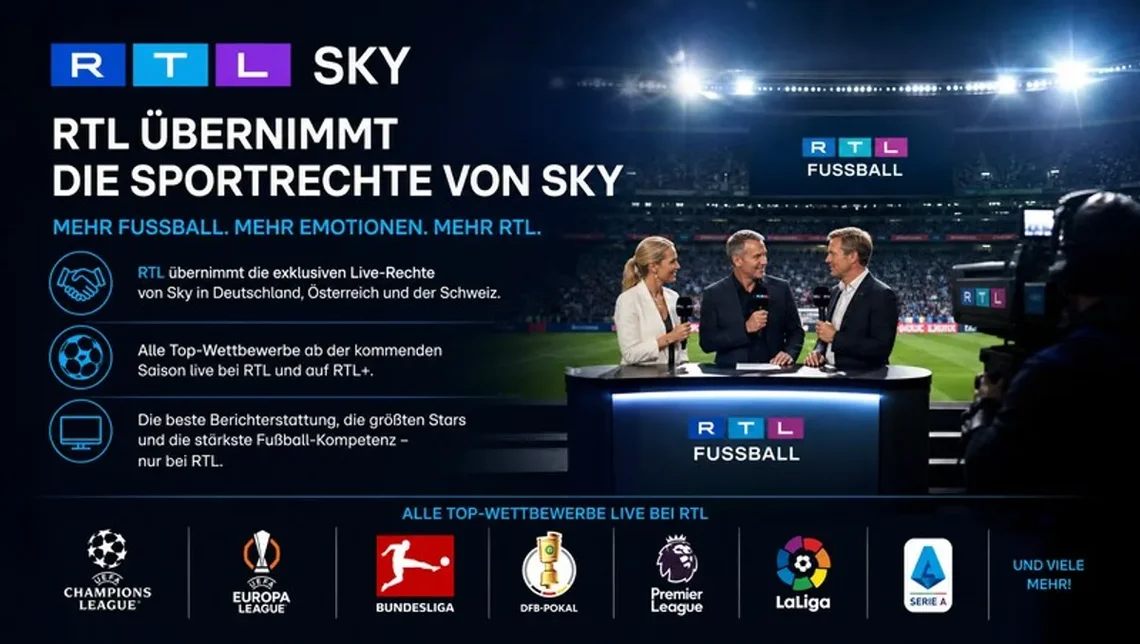
Real Madrid will face Borussia Dortmund in the UEFA Champions League final at Wembley Stadium in London, setting the stage for one of European football's most anticipated showdowns in years. The two clubs, both steeped in continental pedigree, have navigated a gruelling knockout competition to earn their place in the season's defining fixture.
Key Stats: Real Madrid have won the Champions League a record 14 times. Borussia Dortmund last appeared in the final in 2013, losing 2-1 to Bayern Munich at Wembley. Madrid's all-time Champions League goals tally exceeds 1,000. Dortmund's Jadon Sancho and Niclas Füllkrug have combined for eight goals in this campaign. Madrid's Carlo Ancelotti is the only manager to have won the Champions League four times as head coach.
The Road to the Final
Both clubs arrived at the final via contrasting but equally compelling routes. Real Madrid, the competition's most decorated participant, overcame Manchester City in a pulsating semifinal that once again demonstrated their capacity to produce decisive moments under maximum pressure. The tie went to extra time in the second leg, with Madrid's clinical finishing proving the difference, according to UEFA match records.
Madrid's Campaign in Review
Carlo Ancelotti's side topped their group stage with relative comfort before navigating ties against RB Leipzig, Manchester City's semifinal drama, and a last-sixteen test that required a second-leg comeback. Their aggregate scoring across the knockout rounds points to a side capable of functioning effectively even when not at full tactical fluency. Jude Bellingham, the England international midfielder, has been a central figure throughout, registering goals and key assists at critical junctures. (Source: UEFA)
Related Articles
For related coverage on European competition narratives this season, see our earlier report on the Champions League Final Set for European Glory, which examines the broader continental context surrounding this year's showpiece.
Dortmund's Unlikely Journey
Borussia Dortmund's path to the final has drawn widespread admiration from analysts and supporters alike. Under Edin Terzić, the German club dismissed Atlético de Madrid in the quarterfinals and produced a composed defensive performance across both legs against Paris Saint-Germain in the semifinals. Dortmund held PSG scoreless across 180 minutes of semifinal football, a feat that underscored the solidity of their defensive structure and the collective discipline of their squad. Data from the club's official statistics bureau show Dortmund conceded fewer goals per game in the knockout rounds than any other remaining side. (Source: Borussia Dortmund official statistics)
Tactical Outlook and Formation Battles
The final presents a fascinating tactical contest between two philosophically distinct approaches to European football. Ancelotti has favoured a fluid 4-3-3 system that transitions rapidly into a compact 4-5-1 defensive shape, relying heavily on the positional intelligence of his central midfield trio. Terzić, meanwhile, has deployed a high-pressing 4-2-3-1 that depends on collective intensity and the ability to exploit transitional moments.
Ancelotti's Midfield Dominance Plan
Real Madrid's midfield remains one of the most experienced units in European football. The partnership between Toni Kroos, Luka Modrić, and Bellingham gives Ancelotti the option to control tempo when required, or accelerate into attack through Bellingham's forward runs. Kroos, who came out of international retirement this season, brings metronomic passing precision that few midfielders in the world can replicate. Vinícius Júnior on the left flank is expected to be Madrid's primary creative threat, with his directness and unpredictability repeatedly unsettling opposition defensive lines throughout the competition. (Source: Opta Sports)
Dortmund's Defensive Blueprint
Terzić is expected to prioritise defensive solidity in the opening exchanges, with Marcel Sabitzer and Emre Can providing a double-pivot screen designed to limit Madrid's transition speed. Dortmund's most dangerous outlets are expected to come through the wide areas, where Julian Brandt's creativity and the physical presence of Füllkrug can create problems for even the most organised defensive units. Gregor Kobel in goal has been among the tournament's outstanding goalkeepers based on save percentage metrics this campaign. (Source: StatsBomb)
Form Analysis Heading Into the Final
Form across both domestic and European competition through the latter stages of the season provides useful context for assessing each team's readiness for a one-off final. Madrid secured their domestic league title with multiple matches remaining, allowing Ancelotti the luxury of managing key players' minutes in the closing weeks of the campaign. Dortmund, by contrast, faced pressure in the Bundesliga until relatively late in the season, which some analysts suggest may have sharpened their competitive edge heading into the Wembley fixture.
Key Injury and Availability Concerns
Both clubs have reported near-full squad availability for the final, according to their respective pre-match press briefings. Madrid's primary concern centres on the fitness of Dani Carvajal, the right back whose energy in wide defensive areas has been a consistent feature of their defensive solidity. Dortmund confirmed that Sébastien Haller, the striker who has featured intermittently this season following a serious illness, remains available as a squad option. Team sheets will be submitted to UEFA officials 75 minutes before kickoff, as per standard competition regulations. (Source: UEFA)
Historical Context and Records at Stake
| Club | Champions League Titles | Final Appearances | Last Title | Betting Odds (Win) |
|---|---|---|---|---|
| Real Madrid | 14 | 17 | Recently | 4/7 |
| Borussia Dortmund | 1 | 3 | 1997 | 7/4 |
Real Madrid's pursuit of a fifteenth European title is the statistic that dominates pre-match discussion among historians and commentators. No club in the history of the competition has won it more than fifteen times, meaning a Madrid victory would push the record further beyond the reach of any realistic challengers for the foreseeable future. Carlo Ancelotti, were he to lift the trophy, would join an exclusive category of managers who have defined European football's elite level across multiple eras. (Source: UEFA historical records)
For Dortmund, the emotional weight of the occasion is considerable. The club has not lifted European football's premier trophy since their victory over Juventus in Munich, and the intervening decades have seen German football's continental presence largely defined by rivals Bayern Munich. A Dortmund victory would represent not merely a club achievement, but a shift in the domestic narrative surrounding German club football's European standing.
Readers interested in how this final compares with previous European deciders can refer to our archive report on the Champions League final set for Paris showdown for additional historical context.
Wembley as a Stage: Venue and Atmosphere
Wembley Stadium, with a capacity of approximately 90,000, will host the final in front of what is expected to be one of the tournament's largest and most atmospherically charged crowds in recent memory. Both clubs command substantial supporter bases with a strong presence across continental Europe and the United Kingdom, and ticket demand has far exceeded supply since the final pairings were confirmed by UEFA officials.
Security and Match Operations
The Metropolitan Police and UEFA's security division have coordinated extensively in the lead-up to the fixture, with fan zones established at designated locations across central London, according to statements from official organisers. Transport for London has issued updated travel guidance for supporters using the stadium's transport links on match day. (Source: Transport for London, UEFA)
Broadcast, Global Reach, and Commercial Context
The Champions League final remains the most-watched annual club football event globally, with broadcast reach spanning more than 200 territories. Television rights figures and viewership projections for this fixture have not yet been released by UEFA's commercial division, though historical data consistently places final viewership in the hundreds of millions globally. (Source: UEFA commercial division)
The final has generated significant commercial interest across the sports betting sector, with Madrid priced as clear favourites by the majority of leading bookmakers. Those odds reflect both Madrid's experience at the elite European level and the structural quality of their squad, though analysts note that Dortmund's defensive discipline in the knockout stages warrants serious consideration as a countervailing factor. (Source: industry aggregated odds data)
For further reading on Champions League final history and what is at stake for clubs competing at the top of European football, see our companion pieces: Champions League Final Set for Epic Madrid Showdown and Champions League Final Set for Dublin Showdown, which explore alternative venue narratives and the competition's evolving European footprint.
Kickoff is scheduled for 20:00 BST, with pre-match ceremonies beginning approximately one hour prior. The result will be determined on the night, with extra time and a penalty shootout in place should the two sides be level after 90 minutes, as per UEFA competition regulations. All eyes in global football will be fixed on Wembley when the whistle sounds.