NATO allies pledge deeper Ukraine military support
Alliance discusses long-term defence strategy at summit
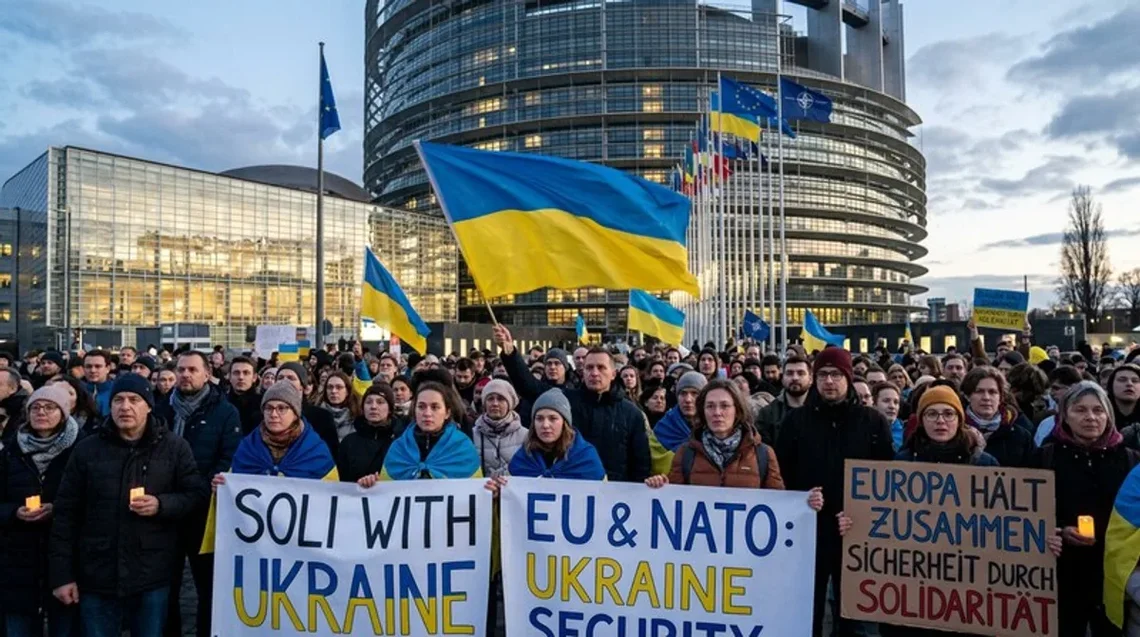
NATO allies have pledged deeper military support for Ukraine at a landmark summit, with member states committing to expanded weapons deliveries, enhanced training programmes and a long-term defence framework designed to sustain Kyiv's war effort against Russian forces. The alliance's renewed commitment signals a strategic shift from reactive assistance to a more structured, institutionalised model of support that officials say is intended to outlast changes in individual member governments.
Key Context: NATO has provided Ukraine with military assistance totalling hundreds of billions of dollars since Russia's full-scale invasion began, spanning artillery systems, air defence batteries, armoured vehicles and advanced munitions. The alliance currently comprises 32 member states following Sweden's accession. Ukraine is not a NATO member but has been designated a partner of enhanced status, and its eventual membership remains a stated goal of the alliance, though no formal timeline has been set. (Source: NATO)
Summit Delivers Landmark Commitments
Meeting at a high-level summit that drew heads of state and defence ministers from across the alliance, NATO leaders formalised a package of pledges that officials described as the most comprehensive military support framework for Ukraine since the conflict began. Communiqués issued following the summit outlined commitments to deliver additional long-range precision weapons, expand the NATO Security Assistance and Training for Ukraine (NSATU) programme, and establish clearer coordination mechanisms for future arms transfers, according to official statements from alliance headquarters in Brussels.
The summit also addressed the thorny issue of interoperability — ensuring that Ukrainian forces can effectively use Western-supplied equipment alongside their own legacy systems. Officials said progress had been made in standardising maintenance and training pipelines, a logistical challenge that has periodically slowed the deployment of newly delivered weapons systems. (Source: NATO)
Related Articles
Ukraine's Request for Long-Range Capabilities
Ukrainian President Volodymyr Zelenskyy used the summit to press allies on the question of long-range strike capabilities, specifically urging member states to lift restrictions on the use of Western-supplied missiles against targets inside Russian territory. His appeal reflected a deepening frustration in Kyiv over what officials there describe as self-imposed limitations that advantage Moscow. Several allied governments indicated they were reviewing their positions, though no unified policy shift was announced at the summit, officials said. For further context on Kyiv's strategic calculus, see how Ukraine pushes deeper into Russian territory amid NATO support surge.
Air Defence at the Centre of Discussions
Air defence emerged as a central theme of the summit's working sessions, reflecting the sustained Russian campaign of drone and missile strikes against Ukrainian civilian infrastructure. Multiple member states pledged additional Patriot missile interceptors and IRIS-T SLM batteries, while discussions also centred on accelerating delivery of F-16 fighter aircraft, which several nations have committed to transfer. Officials acknowledged that matching supply to Ukraine's immediate battlefield needs remained an ongoing challenge. (Source: Reuters)
Long-Term Defence Architecture Takes Shape
Beyond the immediate deliveries, the summit produced substantive discussion around a lasting institutional framework. Alliance planners have been working to move Ukraine support out of the realm of ad hoc bilateral agreements and into a more durable NATO-coordinated structure. This approach, officials said, is designed partly to insulate Ukraine's military pipeline from the domestic political fluctuations that have periodically threatened aid continuity in some member states.
The framework under discussion draws on the existing NATO-Ukraine Council as its primary coordination body, with sub-committees tasked with overseeing specific capability domains including armour, aviation and electronic warfare. Analysts writing in Foreign Policy have noted that institutionalising support in this manner represents a strategic evolution — one that implicitly acknowledges the conflict may continue for an extended period and that ad hoc assistance is insufficient for a sustained defence posture. (Source: Foreign Policy)
Financing and Burden Sharing
Financing commitments were a significant element of summit negotiations, with the alliance's wealthier members under pressure to demonstrate that burden-sharing remains equitable. Several Eastern European members — including Poland, Estonia, Latvia and Lithuania — have already met or exceeded the NATO defence spending target of two percent of gross domestic product and used the summit to call on larger Western European economies to accelerate their own spending increases. Germany, France and Italy have all made pledges to reach the threshold, though timelines differ between capitals. (Source: AP)
A separate discussion concerned the question of frozen Russian sovereign assets, primarily held in Belgian financial infrastructure through Euroclear. Allied governments have been working to agree on a legal mechanism that would channel proceeds from those assets — estimated at approximately 300 billion dollars in total — toward Ukraine's reconstruction and military needs without triggering broader legal challenges to the principle of sovereign immunity. (Source: Reuters)
The Battlefield Context
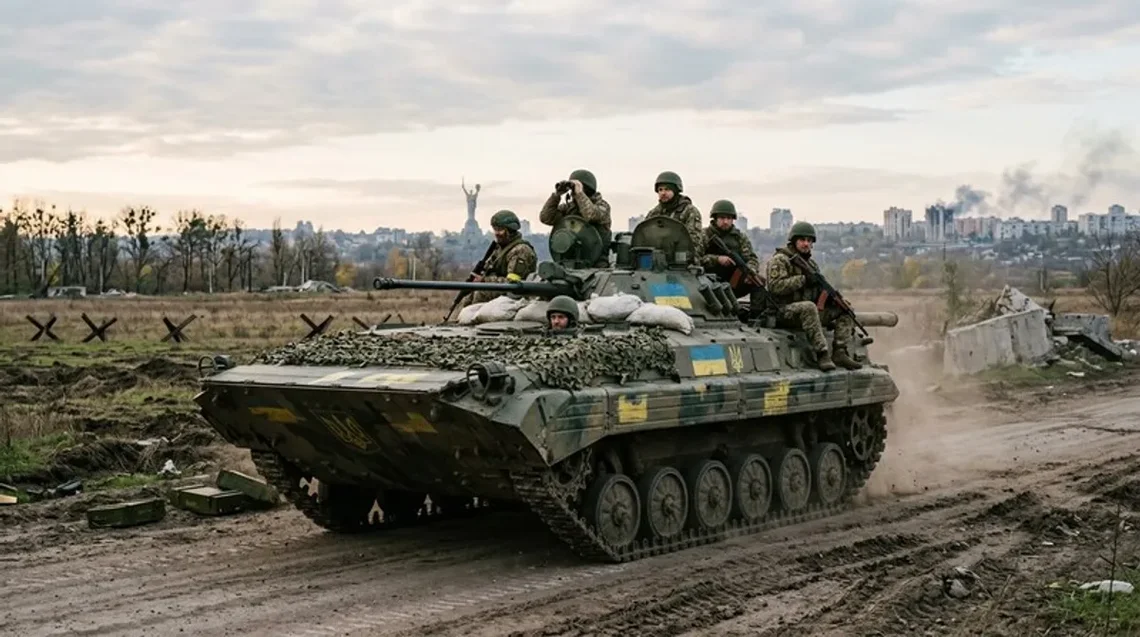
The summit took place against a backdrop of continued intense fighting along Ukraine's eastern and southern fronts. Russian forces have maintained pressure in the Donetsk region, while Ukrainian units have sought to consolidate positions and conduct localised counteroperations. The military situation has produced a grinding attritional dynamic that places sustained emphasis on ammunition supply chains — an area where NATO coordination has been directly credited with keeping Ukrainian artillery units operational. (Source: AP)
Ukrainian battlefield commanders have repeatedly stated that the pace and volume of Western deliveries directly correlate with their ability to hold existing lines. A recent UN report on the humanitarian situation noted that civilian displacement continues at a significant rate, with fighting and infrastructure destruction driving population movements both internally and toward European Union states. (Source: UN)
Russia's Response to Deepened NATO Involvement
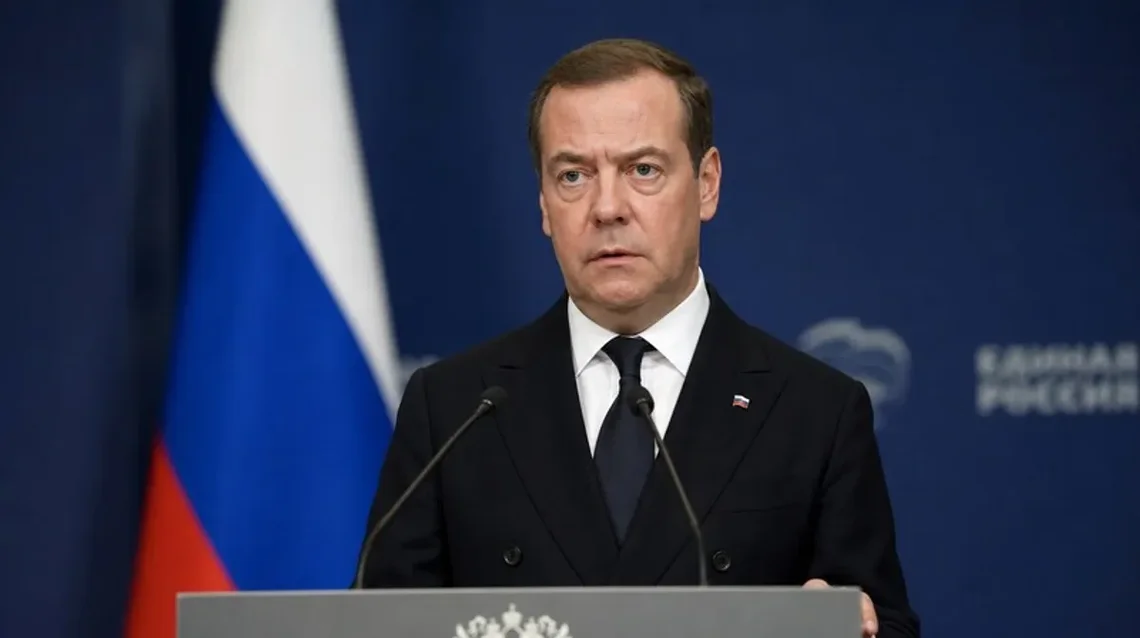
Moscow has condemned the summit's commitments in predictably sharp terms, with Kremlin spokesman Dmitry Peskov describing the pledges as evidence of NATO "direct participation" in the conflict — a characterisation NATO officials flatly reject. Russia's foreign ministry issued a statement warning that expanded weapons transfers would lead to "escalation," language that mirrors previous Kremlin messaging that Western governments have largely stopped treating as credible deterrence. The Kremlin has made similar warnings at multiple earlier junctures without significantly altering allied behaviour. (Source: Reuters)
Western defence analysts have noted that Russia's own military production has been ramping up, with Moscow increasing output of drones, artillery shells and armoured vehicles — assisted in part by components and materiel sourced from Iran and North Korea, according to intelligence assessments cited by multiple allied governments. (Source: Foreign Policy)
What This Means for the UK and Europe
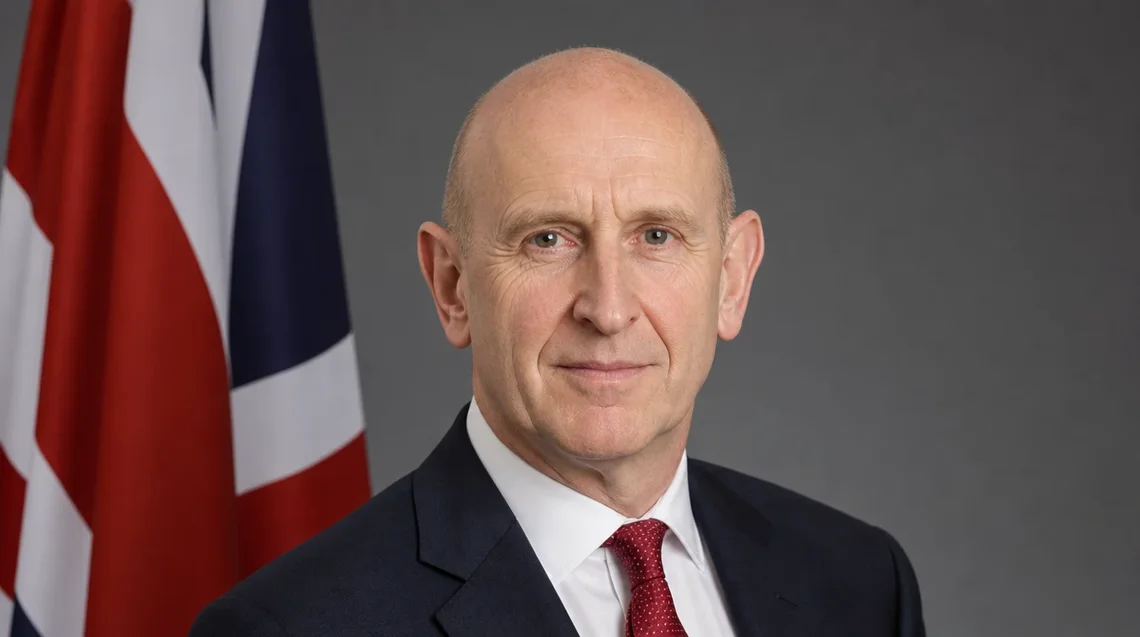
For the United Kingdom, the summit reinforces a strategic posture that successive governments have treated as a defining foreign policy commitment. Britain has been among the most active bilateral supporters of Ukraine, delivering Storm Shadow cruise missiles, Challenger 2 battle tanks, and extensive artillery ammunition. UK officials used the summit to reiterate that support would not waver, with the government emphasising both the security rationale — preventing a precedent of successful territorial conquest in Europe — and the broader deterrence value of demonstrating alliance resolve to other potential adversaries.
For Europe more broadly, the summit crystallised a wider reckoning with defence spending and industrial capacity. The conflict has exposed significant gaps in European ammunition stockpiles and defence manufacturing pipelines, prompting the European Union to activate emergency procurement mechanisms and invest in expanding domestic production. Several EU member states have concluded that the continent cannot rely indefinitely on US industrial capacity, particularly given political uncertainty in Washington over the durability of American engagement. The summit's commitments, in this context, serve a dual purpose: sustaining Ukraine and demonstrating to European publics and adversaries alike that the continent is capable of providing for its own security architecture.
Analysts at think tanks including the European Council on Foreign Relations have argued that deeper NATO institutionalisation of Ukraine support is the single most consequential development in European security policy in decades, embedding Ukraine into Western defence planning in ways that will persist regardless of how the current conflict concludes. (Source: Foreign Policy)
For further reporting on the evolving military dynamic, see Ukraine pushes forward as NATO vows sustained support and the earlier reporting on how NATO allies boost Ukraine aid amid renewed Russian offensive.
Alliance Unity Tested but Holding
Despite the headline commitments, the summit was not without its tensions. Hungary's government, under Prime Minister Viktor Orbán, maintained its established position of reservations regarding weapons transfers and reiterated calls for a ceasefire negotiation — a stance that has persistently complicated alliance consensus-building, even as Budapest ultimately signed the summit's communiqué. Officials noted that Hungary's position has been effectively isolated within the alliance, with the remaining 31 members aligned on the fundamental necessity of continued support. (Source: AP)
There was also quiet disagreement between allies over the pace of formal engagement with Ukraine's membership aspirations. Baltic and Nordic states pushed for stronger language on an accelerated accession path, while some larger Western European governments favoured maintaining deliberate ambiguity to avoid direct military confrontation with Russia. The final communiqué language was carefully negotiated to acknowledge Ukraine's membership trajectory without specifying conditions or timelines, officials said.
Implications for NATO's Eastern Flank
The summit also addressed broader force posture along NATO's eastern flank, with several eastern member states hosting rotational allied forces as a deterrence measure. Poland and the Baltic states in particular have been pressing for permanent basing arrangements — a request that carries significant symbolic weight, as it would represent a qualitative change in NATO's forward presence. The alliance stopped short of formalising permanent basing but committed to enhanced rotational presence and improved pre-positioned equipment stocks. (Source: NATO)
Outlook and Analysis
The commitments made at the summit reflect a broader strategic consensus that Ukraine's ability to defend itself is directly linked to European security as a whole. Whether the pledges translate into timely battlefield impact will depend on the pace of production, the efficiency of logistics chains and the political durability of individual member governments' commitments — all factors that have introduced friction into the support effort in the past.
The backdrop of a shifting US political environment adds an additional layer of complexity. With American domestic politics in flux, European allies are increasingly cognisant that the burden of sustaining Ukraine may fall more heavily on the continent's own resources. The summit's long-term framework can be read, in part, as an attempt to build structural resilience into the support architecture — making it harder for any single actor to disrupt. As previously reported, the broader pattern of support surges and diplomatic commitments has tracked closely with events on the ground, including the periods covered in reporting on Ukraine seeking fresh NATO pledges as Russia tightens its grip and the earlier Ukraine major counteroffensive as NATO pledged additional aid.
| Country | Defence Spend (% GDP) | NATO Target Met | Key Ukraine Contributions |
|---|---|---|---|
| United Kingdom | ~2.3% | Yes | Storm Shadow missiles, Challenger 2 tanks, artillery ammunition, training |
| Poland | ~4.0% | Yes (exceeds) | Artillery systems, ammunition, logistical transit hub, training |
| United States | ~3.5% | Yes (exceeds) | HIMARS, Patriot systems, armoured vehicles, intelligence sharing |
| Germany | ~2.1% | Recently met | Leopard 2 tanks, IRIS-T air defence, Marder IFVs, Patriot batteries |
| France | ~2.0% | Met (target) | Caesar howitzers, AMX-10RC vehicles, air defence components |
| Estonia | ~3.2% | Yes (exceeds) | Artillery, ammunition, strong political advocacy within alliance |
| Hungary | ~2.1% | Recently met | Minimal direct military assistance; consistent diplomatic reservations |
The summit's conclusion leaves Ukraine better resourced on paper than it entered. The more significant question — whether NATO's deepened institutional engagement can be sustained through political cycles, economic pressures and the unpredictable tempo of a conflict that shows no near-term signs of resolution — will be answered not in communiqué language but in the weeks and months of delivery that follow.