NATO expands eastern defenses amid Russian military buildup
Alliance bolsters Poland and Baltic presence as tensions escalate
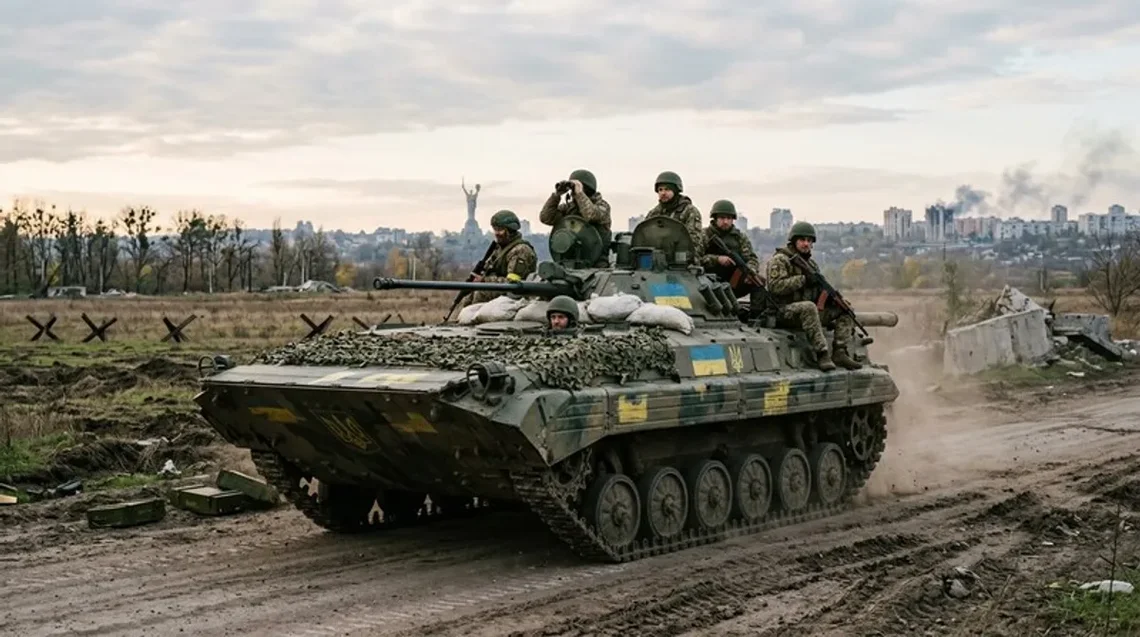
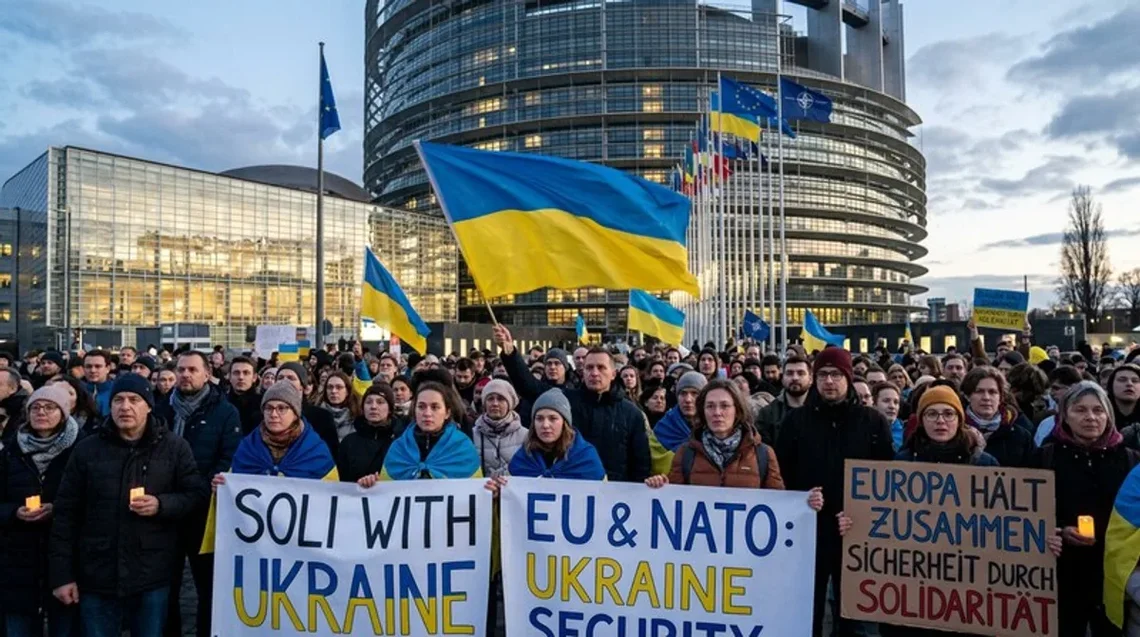
NATO has significantly reinforced its eastern flank, deploying additional troops, armoured units and air defence systems across Poland and the Baltic states in direct response to a sustained Russian military buildup along alliance borders. The moves represent the most substantial repositioning of allied forces in Europe in decades, with member governments citing credible intelligence assessments of elevated threat levels stretching from the Arctic to the Black Sea.
Key Context: NATO's eastern flank encompasses eight frontline member states — Estonia, Latvia, Lithuania, Poland, Slovakia, Hungary, Romania and Bulgaria — collectively hosting multinational battlegroups that have been progressively scaled up since Russia's full-scale invasion of Ukraine. The alliance currently operates Enhanced Forward Presence (EFP) battlegroups in all eight countries, with Poland and the Baltic states receiving the largest reinforcements. Defence spending commitments have been a persistent source of internal tension, though recent threat assessments have accelerated compliance across member capitals. (Source: NATO Headquarters, Brussels)
The Scale of the Reinforcement
Alliance officials confirmed that troop numbers stationed on NATO's eastern perimeter have more than tripled compared to pre-invasion levels, with the United States alone maintaining over 100,000 personnel deployed across Europe — a figure not seen since the Cold War, according to the Pentagon. Germany has taken command of the multinational battlegroup in Lithuania and committed to stationing a permanent brigade of approximately 5,000 soldiers there, marking Berlin's first permanent overseas military deployment since the Second World War. (Source: Reuters)
Poland as the Strategic Anchor
Poland has emerged as the central logistical and operational hub of NATO's eastern posture. Warsaw has dramatically increased its own defence budget, targeting 4 percent of GDP in military spending — nearly double the alliance's benchmark — while simultaneously hosting American armoured brigades, Patriot air defence batteries and a growing network of pre-positioned equipment. Senior Polish officials have described the country as "the eastern shield of the West," a framing that has resonated in Brussels and Washington alike. The United States has established a permanent headquarters in Poznań, cementing a bilateral security relationship that Warsaw views as its primary strategic guarantee. (Source: AP)
Related Articles
Baltic Vulnerability and the Suwałki Gap
Among the most closely watched geographic flashpoints is the Suwałki Gap — a roughly 100-kilometre land corridor along the Polish-Lithuanian border separating the Russian exclave of Kaliningrad from Belarus. Military analysts have long identified the gap as a potential chokepoint that, if seized, could sever the Baltic states from the rest of the alliance. NATO planners have consequently prioritised reinforcing the corridor with rapid-reaction units, engineering assets and pre-positioned heavy equipment. The UK's 20th Armoured Infantry Brigade has participated in exercises specifically designed to contest the gap under wartime conditions. (Source: Foreign Policy)
For related coverage of how these deployments fit into broader alliance strategy, see NATO bolsters eastern flank amid Russian military buildup, which examines the structural transformation of alliance force posture since the invasion of Ukraine began.
Russia's Military Posture and the Intelligence Picture
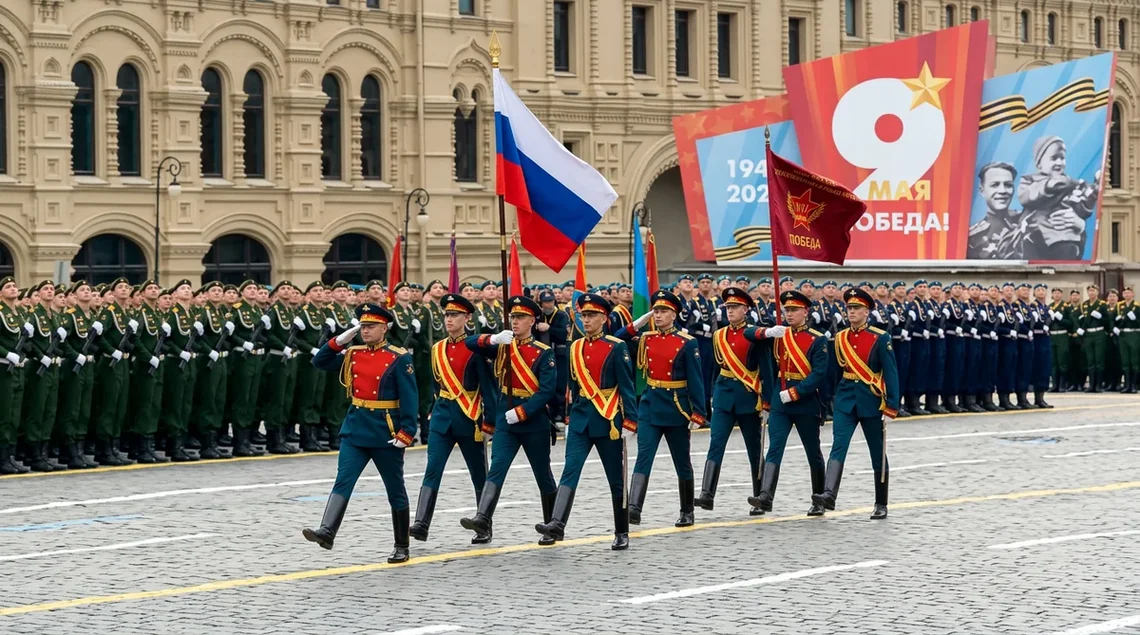
Western intelligence agencies have documented a sustained Russian effort to reconstitute its conventional forces, expand its defence industrial base and reposition units closer to NATO borders, even as the war in Ukraine continues to consume significant military resources. The alliance's annual threat assessment, reviewed by multiple member governments, concludes that Russia retains both the intent and, over a medium-term horizon, the capability to challenge NATO territory directly. (Source: NATO Intelligence Fusion Centre)
Kaliningrad and the Northern Flank
Russia's Baltic exclave of Kaliningrad remains heavily militarised, hosting Iskander-M ballistic missile systems capable of striking targets across a wide swath of Central Europe. Analysts monitoring satellite imagery have noted continued infrastructure upgrades at Kaliningrad's military facilities. Simultaneously, Russia has increased the tempo of operations in the Arctic, where it has invested heavily in new bases and icebreaker fleets. Finland and Sweden's accession to NATO has significantly altered the alliance's northern geometry, bringing thousands of kilometres of additional frontier under collective defence obligations and complicating Russian strategic planning in the region. (Source: Reuters)
The broader pattern of Russian military activity and its implications for eastern Europe are explored in depth at NATO bolsters Eastern European defenses amid Russian threats.
Alliance Cohesion and Political Dynamics
NATO's unified public stance has not been without internal friction. Debates over burdensharing, the pace of weapons deliveries to Ukraine and the appropriate threshold for escalation have periodically surfaced in allied capitals. Hungary's government has maintained a consistently more conciliatory posture toward Moscow, complicating consensus-building on several measures. Nevertheless, core decisions on force posture and spending commitments have proceeded, with the alliance's most recent summit communiqué explicitly characterising Russia as "the most significant and direct threat to Allied security." (Source: NATO Summit Declaration)
The Role of Non-US Allies
European allies have taken on a markedly greater operational burden than at any point in the post-Cold War era. The United Kingdom has deployed troops to Estonia as part of the Enhanced Forward Presence battlegroup and has conducted bilateral exercises with Poland, Finland and the Baltic states. France leads the battlegroup in Romania. Canada commands in Latvia. Germany's commitment in Lithuania, as noted, has crossed the threshold from rotational to permanent stationing. Analysts writing in Foreign Policy have described this as a structural shift in how European NATO members conceptualise continental defence — no longer as a supplementary role to American primacy, but as a primary national security responsibility. (Source: Foreign Policy)
| Country | NATO Battlegroup Lead Nation | Approx. Troops Deployed | Defence Spend (% GDP) | Key Capability Added |
|---|---|---|---|---|
| Estonia | United Kingdom | ~2,000 | 3.4% | MLRS, armoured infantry |
| Latvia | Canada | ~2,500 | 3.1% | Armoured vehicles, artillery |
| Lithuania | Germany | ~5,000 (permanent) | 2.9% | Leopard 2 tanks, Patriot battery |
| Poland | United States | ~10,000+ | 4.0% | Abrams tanks, F-35s, Patriot |
| Romania | France | ~3,000 | 2.5% | HIMARS, air defence assets |
| Slovakia | Czech Republic | ~1,200 | 2.1% | Light infantry, logistics |
Source: NATO Headquarters, national defence ministries. Figures reflect current rotational and permanent deployments. (Source: AP, Reuters)
What This Means for the UK and Europe
For the United Kingdom, the eastern buildup carries direct strategic, financial and political consequences. British troops are actively deployed in Estonia, and the UK has been among the most significant bilateral contributors to Ukraine's defence, providing air defence missiles, armoured vehicles and training to tens of thousands of Ukrainian personnel through Operation Interflex. Defence officials in London have stated that the UK's security is "indivisible" from that of continental allies — a formulation that carries significant weight at a moment when domestic debates about defence spending have intensified. The government has committed to raising defence expenditure toward 2.5 percent of GDP, with internal discussions ongoing about whether that target will prove sufficient given the pace of regional deterioration. (Source: UK Ministry of Defence)
For Europe more broadly, the implications extend beyond military posture. Energy security, critical infrastructure protection and the resilience of democratic institutions against hybrid warfare have all risen to the top of allied agendas. The disruption of undersea cables in the Baltic Sea and suspicious fires near logistics facilities in several European cities have sharpened focus on what NATO terms the "grey zone" — activity designed to destabilise without crossing the threshold of Article 5 collective defence obligations. European Union member states have simultaneously accelerated their own defence cooperation frameworks, including joint procurement initiatives and expanded border monitoring, though full integration with NATO planning remains a work in progress. (Source: UN Security Council briefings, Reuters)
For ongoing analysis of how the Ukraine conflict is reshaping alliance commitments and eastern European security architecture, see NATO bolsters eastern defenses amid Ukraine stalemate and the wider strategic picture detailed at NATO expands eastern defense posture amid Russia tensions.
Looking Ahead: Exercises, Procurement and Deterrence Logic
NATO's annual Steadfast Defender exercise series has grown substantially in recent editions, simulating large-scale Article 5 scenarios involving hundreds of thousands of troops across multiple theatres. The exercises serve a dual purpose: testing operational interoperability among 32 diverse national militaries and communicating resolve directly to Moscow. Alliance planners acknowledge privately that deterrence is not guaranteed, but argue that credible conventional defence posture remains the most stabilising signal the alliance can transmit. (Source: NATO Allied Command Operations)
Air and Missile Defence Priorities
Air defence has emerged as a particular procurement priority following the extensive use of ballistic missiles, cruise missiles and drone swarms in the Ukrainian theatre. Several NATO members have placed urgent orders for Patriot batteries, SHORAD systems and counter-drone technology, with industrial capacity struggling to keep pace with demand. The alliance has also advanced planning for an integrated European air defence shield — a framework loosely modelled on Israel's multi-layered approach — though cost-sharing arrangements and procurement sovereignty questions continue to delay full implementation. (Source: Foreign Policy, Reuters)
Further context on the evolving threat environment driving these procurement decisions is available at NATO bolsters eastern defenses amid Russia tensions.
Conclusion
The reinforcement of NATO's eastern flank represents a generational recalibration of European security architecture, driven by a threat environment that alliance governments assess as more acute than at any point since the Cold War's end. Poland and the Baltic states now host a scale of allied military presence that would have been politically unthinkable a decade ago. Whether the deterrence logic holds will depend not only on force numbers and hardware, but on the sustained political will of member governments to sustain spending commitments, maintain coalition unity and absorb the economic costs of extended readiness. For the United Kingdom and its European partners, the calculation is increasingly straightforward: the cost of deterrence, though significant, remains substantially lower than the cost of its failure. (Source: Reuters, AP, NATO Headquarters)