NATO weighs membership expansion amid Russia tensions
Alliance considers new applications as security concerns mount
NATO is actively weighing the expansion of its membership as the alliance confronts a deteriorating security environment across Europe's eastern flank, with several nations formally signalling their intent to pursue accession and alliance officials warning that Russia's continued military posturing makes the question of enlargement more urgent than at any point in recent decades. The bloc, which currently comprises 32 member states following Sweden's accession, is navigating a delicate balance between strategic inclusion and the risk of further inflaming tensions with Moscow.
Key Context: NATO was founded in 1949 with 12 original signatories under the principle of collective defence enshrined in Article 5 of the Washington Treaty. The alliance has expanded in seven major waves, most recently admitting Finland and Sweden as Russia's full-scale invasion of Ukraine reshaped the security calculus of traditionally neutral Nordic states. Russia has consistently characterised NATO enlargement as an existential threat, a position Western capitals have rejected as without legal or moral foundation. (Source: NATO)
The Expansion Debate: Who Is Knocking at the Door?
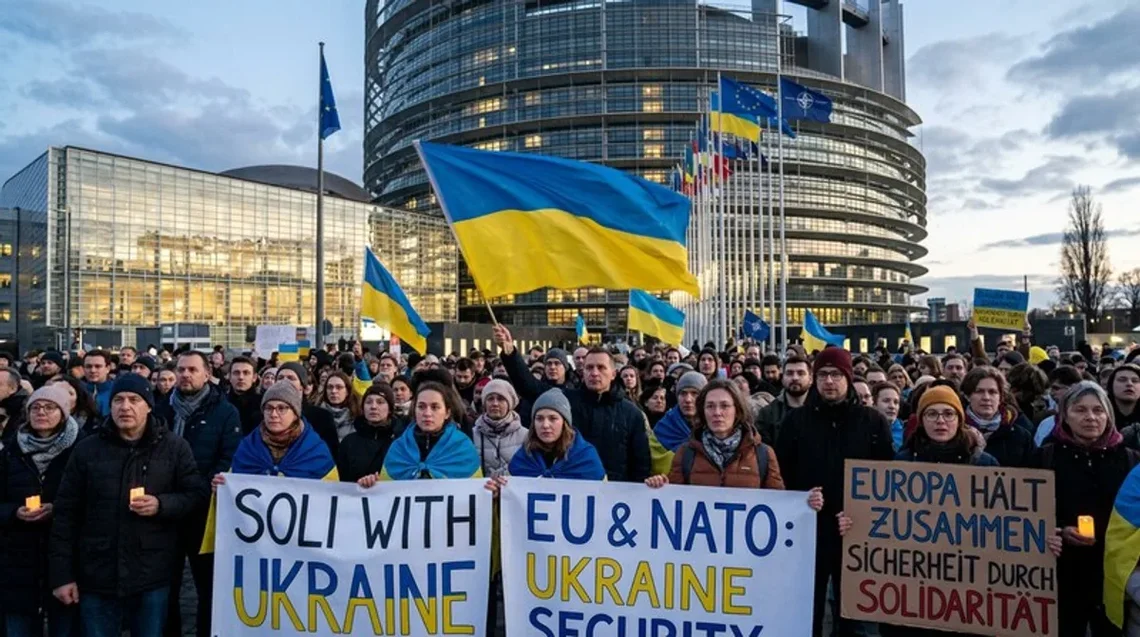
Several nations across the Western Balkans, the South Caucasus, and Eastern Europe are at various stages of dialogue with NATO over membership prospects. Georgia, Ukraine, and Bosnia and Herzegovina have remained the most prominent aspirants, each presenting a distinct set of political, military, and logistical challenges for the alliance. Ukraine's Membership Action Plan aspirations, long deferred under geopolitical pressure from Moscow, have taken on fresh urgency since the Russian invasion began, with Kyiv insisting that a clear accession pathway is essential to any durable postwar settlement.
Ukraine's Accession Path: Blocked but Not Abandoned
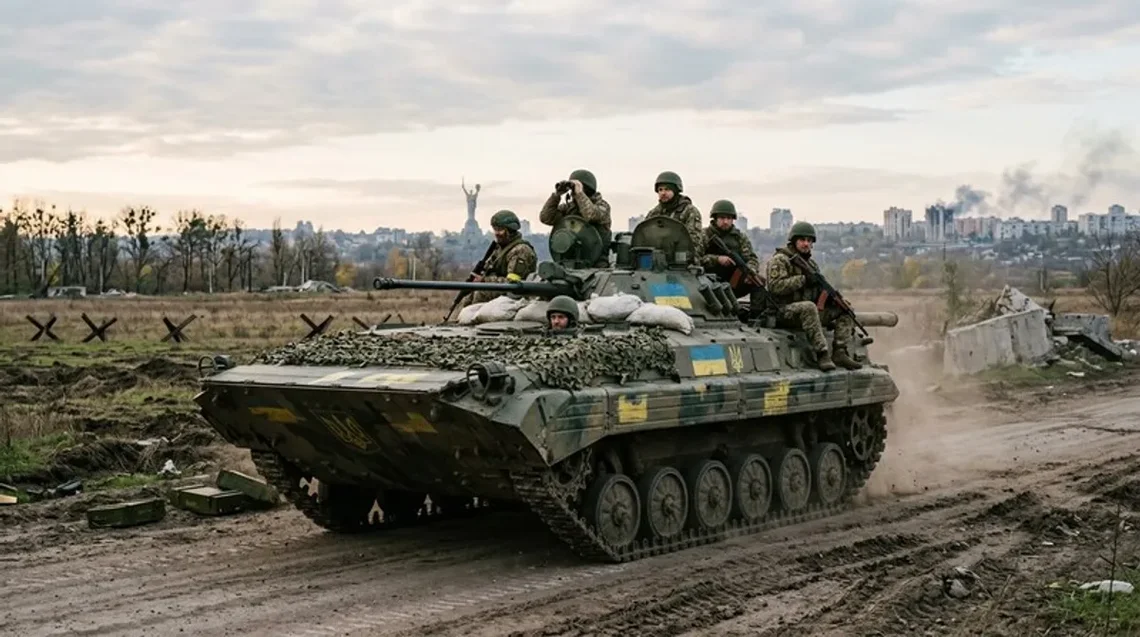
Ukraine's bid for NATO membership remains one of the most contested issues in transatlantic diplomacy. Alliance officials have repeatedly stated that Ukraine will eventually join, but have stopped short of providing a concrete timeline or issuing a formal invitation, citing the ongoing armed conflict as a practical and legal obstacle. According to Reuters, senior NATO diplomats have described the internal debate as one of the most consequential the alliance has faced since the Cold War. The Vilnius and Washington summits in recent years produced language affirming Ukraine's future in the alliance while declining to activate the Membership Action Plan — a compromise that has satisfied neither Kyiv nor its most hawkish supporters in Eastern Europe.
Related Articles
For further analysis on how this dynamic is unfolding, see our coverage on NATO weighs expansion as Russia reasserts Ukraine pressure, which examines the diplomatic pressure points in detail.
The Balkans: Unfinished Business
Bosnia and Herzegovina's candidacy has stalled amid internal political dysfunction, with the Republika Srpska entity's leadership — closely aligned with Belgrade and Moscow — actively obstructing the country's Euro-Atlantic integration. Analysts at Foreign Policy have noted that failure to bring Bosnia into NATO's orbit could leave a geopolitical vacuum that Russia and, to a lesser extent, China may seek to exploit. Kosovo, not internationally recognised by several NATO members including Spain and Greece, faces an even more complex path, with its accession prospects largely theoretical at present.
Russia's Response: Warnings, Military Posturing, and Hybrid Operations
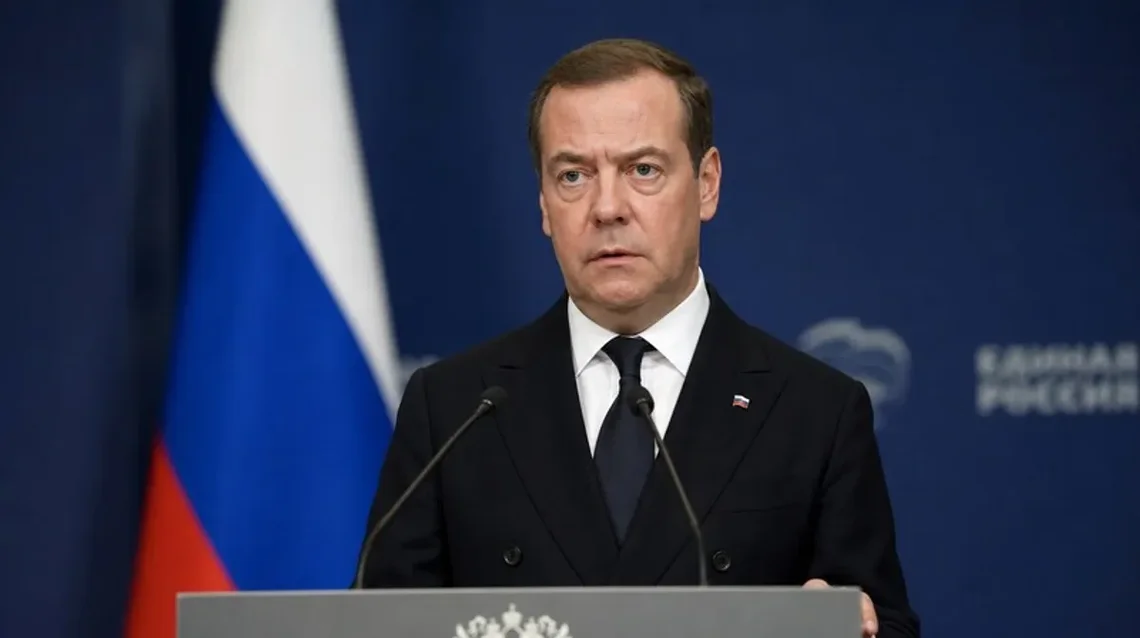
Moscow has made unambiguous its opposition to further NATO enlargement, framing any new membership offer to states along its perceived sphere of influence as a direct provocation. The Kremlin has deployed a combination of diplomatic warnings, military build-ups along its western borders, and alleged hybrid operations — including cyberattacks and disinformation campaigns — to signal the costs it believes the West would incur by continuing to expand the alliance.
Military Build-Up Along the Eastern Flank
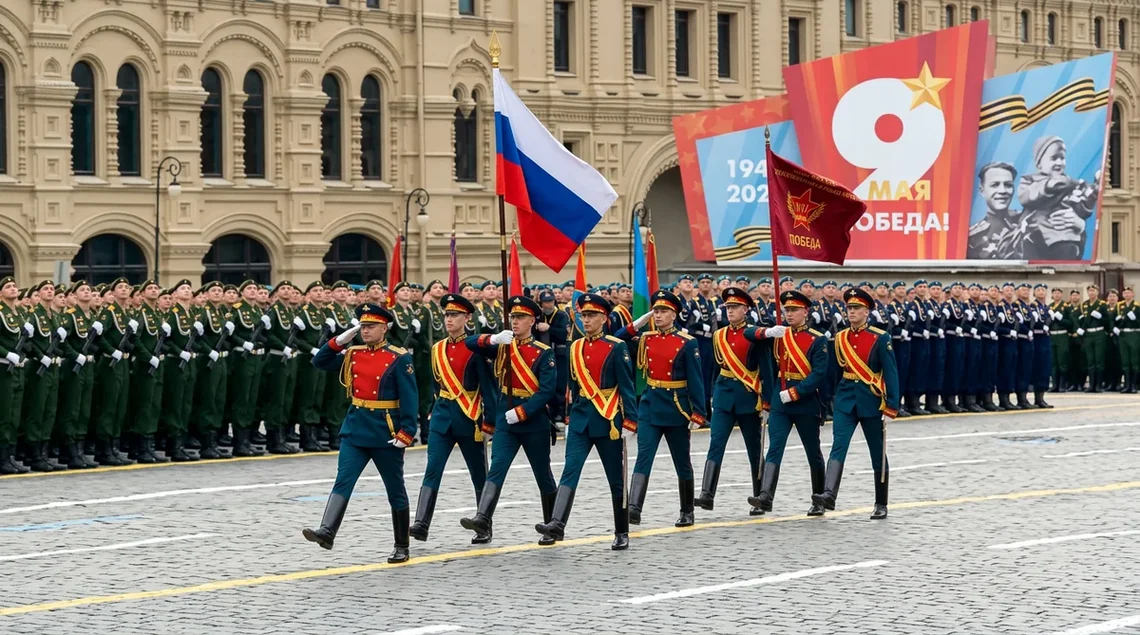
Russian military deployments have remained elevated across its western military districts, including forces nominally repositioned following operational losses in Ukraine. According to AP, Western intelligence assessments indicate Russia is rebuilding its ground forces at a pace that could enable significant offensive capability within several years, even accounting for battlefield attrition in Ukraine. This has accelerated discussions within NATO about both membership expansion and the reinforcement of existing forward positions in Poland, the Baltic states, and Romania.
Our report on NATO weighs expanded Eastern Europe presence amid Russia tensions provides a detailed breakdown of force posture changes currently underway across the alliance's eastern wing.
Hybrid Threats and Destabilisation Tactics
Beyond conventional military positioning, Russian hybrid operations have been documented across multiple candidate and member states. Incidents including suspected sabotage of infrastructure in the Baltic region, influence operations targeting elections in aspirant countries, and the alleged use of proxy actors to foment ethnic tensions in the Balkans have all been attributed by Western governments and EU institutions to Russian state or state-affiliated actors. A UN report published earlier noted with concern the pattern of destabilisation targeting states pursuing Euro-Atlantic integration, describing it as a systematic effort to impose costs on enlargement. (Source: United Nations)
The Strategic Logic of Expansion
Proponents of further NATO enlargement argue that history has repeatedly demonstrated the stabilising effect of membership. The Baltic states, Poland, and more recently Finland and Sweden all entered the alliance amid Russian objections, and in each case the practical security environment for those nations improved markedly. Alliance officials and independent defence analysts contend that the credibility of NATO's open-door policy — codified in Article 10 of the Washington Treaty — depends on the alliance resisting Russian veto power over sovereign nations' choices.
The Article 5 Deterrence Argument
Central to the expansion debate is the question of deterrence. NATO's collective defence guarantee, under which an attack on one member is treated as an attack on all, has not been tested against a nuclear-armed adversary since the alliance's founding. Extending that guarantee to new members — particularly those in close geographic proximity to Russia — raises genuine questions about the credibility of the pledge. Former senior NATO officials cited by Foreign Policy have argued that admitting Ukraine, for instance, would either end or dramatically transform Russia's calculations about the cost of continued aggression. Critics, however, warn that premature extension of Article 5 to an active warzone could draw the alliance into direct conflict with a nuclear power. (Source: Foreign Policy)
What Does This Mean for the UK and Europe?
For Britain and its European partners, NATO's expansion debate carries immediate and long-term consequences. The United Kingdom, as one of the alliance's largest military contributors and one of only two European members with independent nuclear deterrence, holds significant influence over the pace and scope of enlargement decisions. London has been among the most vocal supporters of Ukraine's eventual membership, with successive governments committing to bilateral security guarantees as an interim measure pending formal accession.
European NATO members, particularly those in Central and Eastern Europe, have pushed hardest for accelerated enlargement, viewing Russian aggression as confirmation that the post-Cold War security architecture — which left several states outside formal collective defence arrangements — was fundamentally inadequate. Western European capitals, notably Paris and Berlin, have historically counselled more gradualism, though both governments have moved perceptibly toward harder positions since the full-scale Russian invasion of Ukraine began.
Economically, enlargement carries costs as well as benefits. New member states are expected to meet NATO's defence spending benchmark of two percent of gross domestic product, and the infrastructure investment required to integrate aspirant nations' militaries into alliance standards is substantial. However, economists and defence analysts cited by Reuters argue that the cost of failing to extend the alliance's security umbrella — in terms of future conflict risk, refugee flows, and economic disruption — likely exceeds the price of managed expansion. (Source: Reuters)
For ongoing developments on this front, our correspondents have tracked how NATO eyes further eastern expansion amid Russia tensions in real time, alongside the broader regional security implications.
| Country | Formal Applicant | Key Obstacle | Western Backing Level | Russian Opposition |
|---|---|---|---|---|
| Ukraine | Yes | Active armed conflict | High (Eastern flank states, UK, US) | Severe / Red Line |
| Georgia | Yes | Occupied territories; internal political instability | Moderate | Severe |
| Bosnia & Herzegovina | Partial (state-level blocked) | Republika Srpska obstruction | Moderate | High |
| Kosovo | No formal application | Non-recognition by several members | Low to moderate | Severe |
| Moldova | No (EU focus) | Transnistria conflict; constitutional neutrality | Low | High |
Alliance Cohesion: The Internal Tensions NATO Must Manage
Any expansion decision requires unanimous consent from all 32 current member states, a provision that gives significant leverage to individual governments with divergent strategic interests. Hungary's government, under Prime Minister Viktor Orbán, has repeatedly delayed or complicated alliance decision-making on Ukraine-related matters, reflecting both ideological alignment with Moscow and domestic political calculations. Turkey previously delayed Finland's accession by over a year, extracting concessions on extradition policy and arms sales before ultimately ratifying membership.
The Unanimity Constraint
Defence analysts at Foreign Policy and academic institutions specialising in alliance politics have long debated whether NATO's unanimity requirement — designed to ensure democratic legitimacy and shared commitment — has become a structural vulnerability exploitable by both internal dissenters and external adversaries. Russia has demonstrated considerable skill in identifying and amplifying fissures within the alliance, and expansion votes have historically provided maximum opportunity for such manipulation. Proposals to reform decision-making procedures have gained little traction, as smaller member states regard the veto as a guarantee of their equal standing within the alliance. (Source: Foreign Policy)
The broader context of these internal dynamics is examined in our analysis of how NATO signals further eastern expansion amid Russia tensions, which traces the diplomatic signalling between member capitals.
The Road Ahead: Summits, Signals, and Strategic Patience
Alliance officials are expected to use upcoming high-level gatherings to signal NATO's long-term intentions without triggering immediate escalation. The emphasis, according to diplomatic sources cited by AP, is on demonstrating credibility and resolve — conveying to Moscow that enlargement will proceed on the alliance's terms, not Russia's — while managing the pace carefully enough to preserve internal consensus and avoid unnecessary provocation. (Source: AP)
For aspirant nations, the wait tests both political will and public patience. Populations in Ukraine, Georgia, and Bosnia have in surveys consistently expressed strong majority support for Euro-Atlantic integration, viewing it as the most reliable guarantor of sovereignty and democratic governance. Alliance failure to respond to that aspiration with tangible progress risks disillusionment and, in some cases, the rise of political forces more amenable to accommodation with Moscow.
The shape of NATO's next enlargement will ultimately be determined not by legal frameworks or summit communiqués alone, but by the broader trajectory of the war in Ukraine, the willingness of key member states to assume the political and military costs of expanded commitments, and the durability of transatlantic unity under sustained Russian pressure. What is clear is that the question is no longer whether NATO expands, but when, how, and at what cost — for both those inside the alliance and those still waiting at the door.