Ukraine launches new offensive as Russia digs in
Frontline fighting intensifies across eastern sector
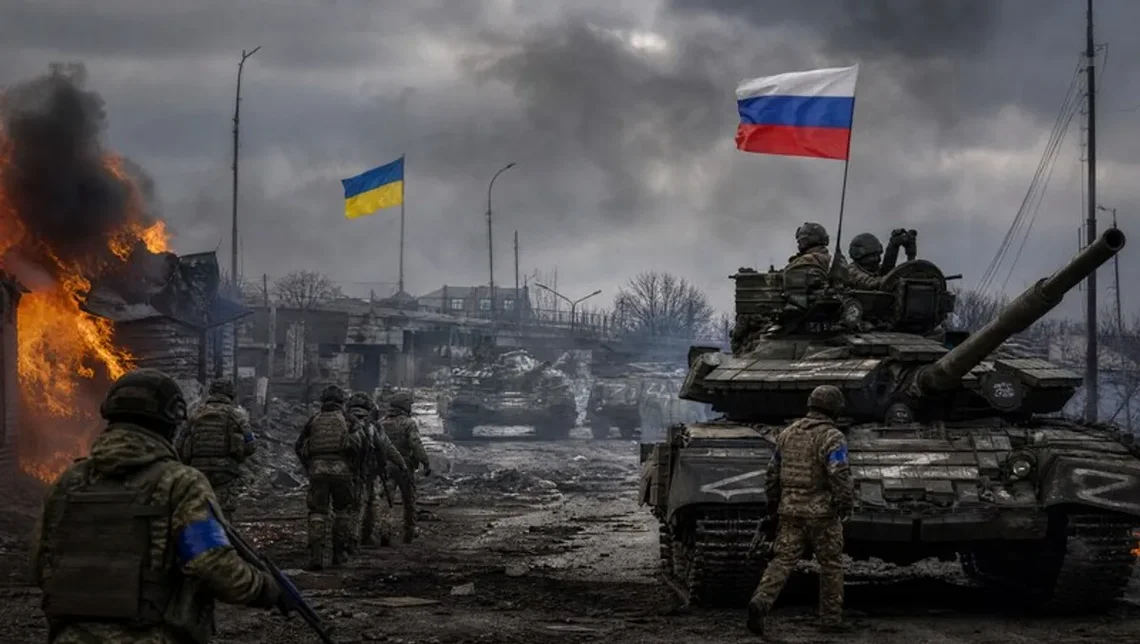
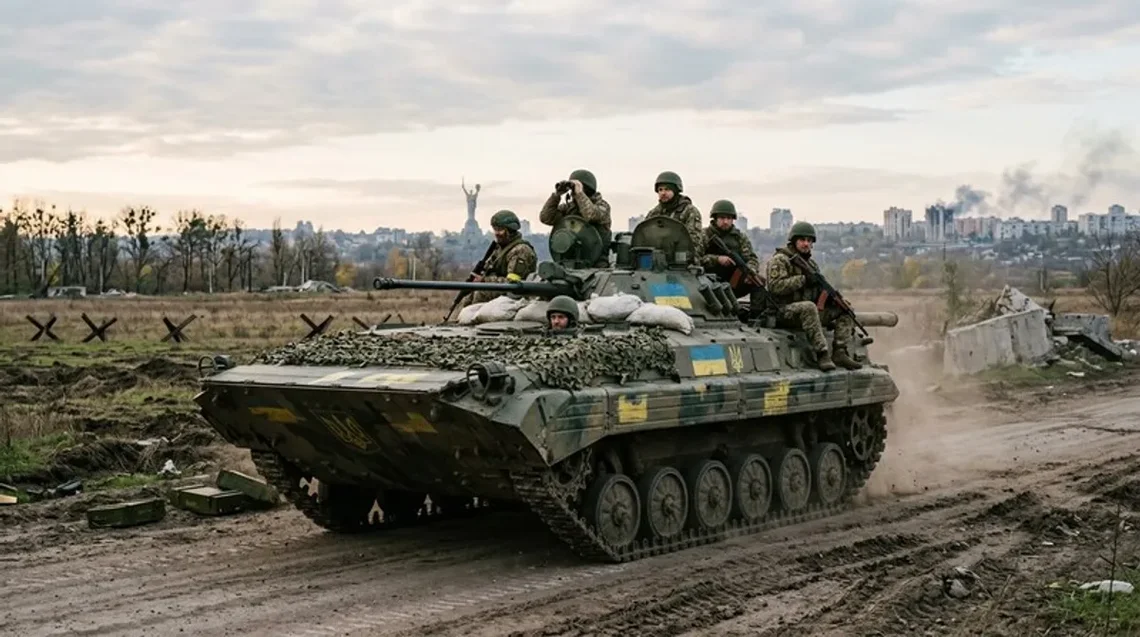
Ukrainian forces have launched a new offensive push along the eastern front, striking Russian-held positions across multiple axes in the Donetsk region as Kremlin troops reinforce defensive lines and dig into fortified positions. The intensification of ground combat marks one of the most significant escalations in recent months, with both sides reporting heavy casualties and contested territorial shifts along a front line stretching hundreds of kilometres.
Key Context: The war in Ukraine entered its third year of full-scale conflict following Russia's February invasion, with the eastern Donbas region remaining the primary theatre of operations. Ukraine has pursued a dual strategy of drone warfare deep into Russian territory and conventional ground assaults along the contact line, while Russia has mobilised additional reserves and constructed layered defensive fortifications across occupied areas. The conflict has displaced millions of civilians and triggered the largest European refugee crisis since the Second World War, according to UN reports.
The Shape of Ukraine's New Push
Ukrainian military officials confirmed coordinated assault operations along several sectors in eastern Donetsk, with ground units supported by artillery, drone strikes, and armoured elements pressing forward against Russian-held positions. The General Staff of the Armed Forces of Ukraine reported that Ukrainian troops engaged Russian defenders in close-quarters combat near several key settlements, though officials declined to specify precise locations for operational security reasons.
Drone Warfare Reshapes the Battlefield
Ukrainian forces have dramatically increased the deployment of first-person-view (FPV) drones as frontline assault tools, according to battlefield assessments cited by Reuters. The technology, once considered auxiliary, has become integral to Ukrainian offensive tactics, enabling precision strikes on Russian armoured vehicles, supply convoys, and fortified infantry positions at relatively low cost. Russian forces have responded by deploying electronic warfare systems and constructing physical barriers around equipment, a tactical adaptation noted by analysts at Foreign Policy.
Related Articles
The proliferation of drone technology on both sides has fundamentally altered the tempo of ground combat, creating what military analysts describe as a near-constant surveillance environment that makes large-scale armoured manoeuvres exceptionally costly. Ukraine's drone production capacity has expanded significantly, partly through domestic manufacturing initiatives and partly through allied supply chains, officials said.
Artillery and Ammunition Dynamics
Ammunition supply remains a critical constraint on Ukrainian offensive capacity. While NATO allies have accelerated deliveries of artillery shells, anti-tank systems, and air defence munitions, Ukrainian commanders have repeatedly warned that shell shortages limit the tempo of operations. Recent pledges from European partners and the United States have partially addressed the gap, but defence analysts monitoring the conflict assess that Russian industrial production of artillery ammunition continues to outpace Western delivery rates in the near term (Source: International Institute for Strategic Studies).
For further background on how allied nations are addressing this supply deficit, see coverage of how NATO allies boost Ukraine aid amid renewed Russian offensive.
Russia's Defensive Posture and Counter-Pressure
Russian forces have not adopted a purely passive defensive stance. Kremlin troops have simultaneously applied pressure in several areas, most notably around Avdiivka's surrounding districts and along the Kupyansk axis in Kharkiv Oblast, seeking to stretch Ukrainian defensive resources and complicate Kyiv's ability to concentrate forces for offensive operations. According to AP, Russian units have incorporated North Korean-supplied artillery munitions into their fire missions along multiple sectors, a development that has drawn sharp condemnation from Western governments.
North Korean Involvement and Its Implications
The reported deployment of North Korean ballistic missiles and artillery shells represents a qualitative expansion of external support for Russia's war effort, defence officials from South Korea, the United States, and multiple European governments said. UN investigators have documented evidence consistent with the transfer of munitions from Pyongyang to Moscow, a transaction that violates multiple Security Council resolutions — resolutions that Russia itself holds veto power over (Source: United Nations Office of Disarmament Affairs).
The involvement of a third-party state in supplying weapons raises the spectre of further internationalisation of the conflict and has prompted urgent consultations within NATO and the European Union about the appropriate diplomatic and potentially punitive response, officials said.
Civilian Impact and the Humanitarian Situation
As frontline positions shift and heavy artillery exchanges continue, civilian populations in contested and recently liberated areas face acute humanitarian pressures. The UN Office for the Coordination of Humanitarian Affairs has documented ongoing displacement from communities within artillery range of the contact line, with tens of thousands of people having left eastern settlements in recent weeks amid renewed fighting (Source: UN OCHA).
Infrastructure as a Target
Russian missile and drone strikes on Ukrainian energy infrastructure have continued alongside ground operations, targeting power generation facilities, substations, and heating networks ahead of the winter season. Ukrainian officials reported that attacks on energy infrastructure have forced rolling blackouts across multiple regions, affecting both civilian populations and industrial capacity. The strikes on critical infrastructure have been characterised by UN human rights monitors as systematic and of grave concern under international humanitarian law (Source: UN Human Rights Monitoring Mission in Ukraine).
Humanitarian organisations operating in frontline areas have warned that sustained infrastructure damage compounds the difficulty of sustaining civilian life in conflict-affected communities, particularly as temperatures begin to fall across the country.
International Diplomatic Landscape
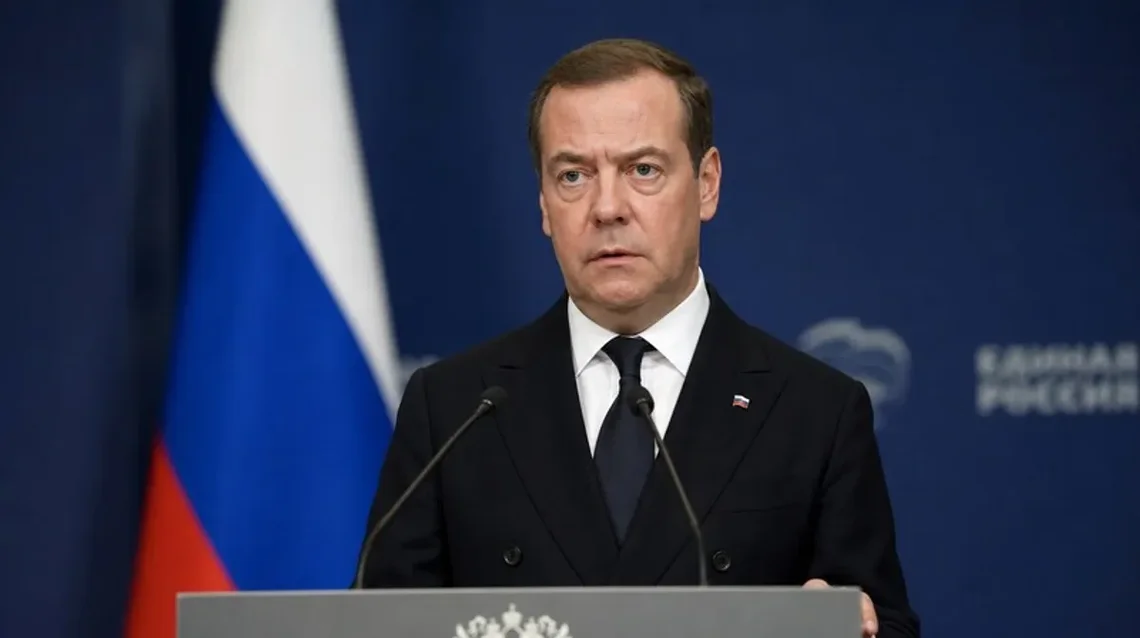
Diplomatic efforts to broker a ceasefire or peace framework have produced no concrete results, with Russia maintaining maximalist territorial positions that Kyiv and its Western allies have rejected as incompatible with Ukrainian sovereignty and international law. The UN General Assembly has repeatedly passed resolutions demanding Russian withdrawal from occupied Ukrainian territory, though Russia dismisses these votes as politically motivated (Source: United Nations General Assembly records).
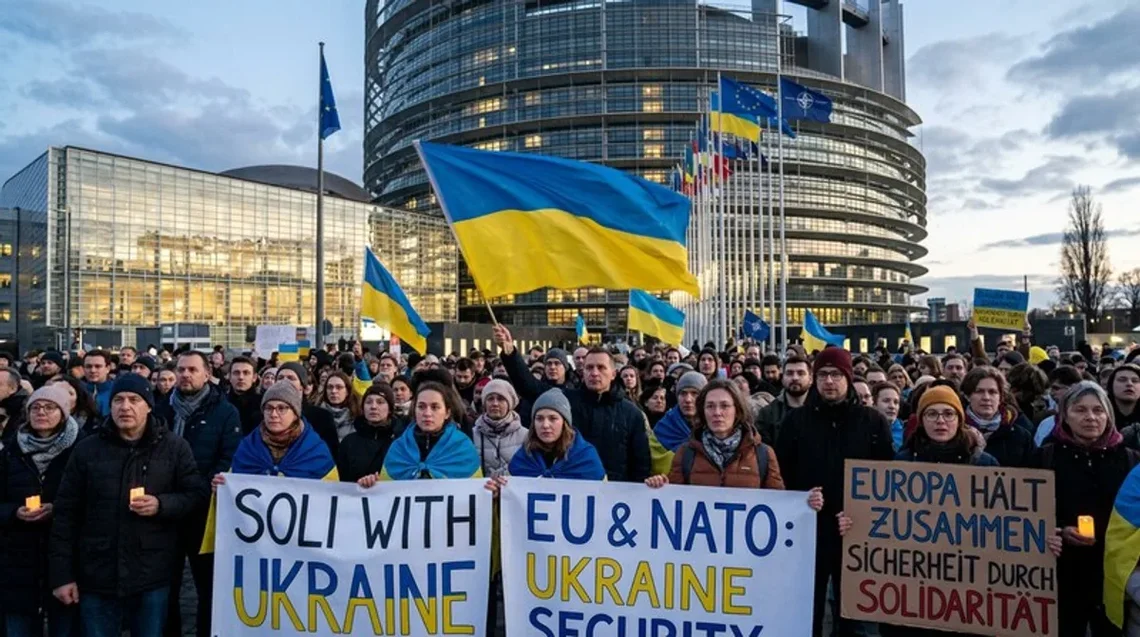
Western governments, led by the United States and key European partners, have continued to reaffirm Ukraine's right to self-defence and their commitment to sustained military and financial assistance. A recent European Union package extended both financial support and tightened measures against Moscow — details of which are covered in reporting on how the EU tightens Russia sanctions over Ukraine offensive.
The Peace Proposal Stalemate
Multiple intermediary nations, including Brazil, China, and South Africa, have proposed ceasefire frameworks at various points, but none have gained traction with both principal parties. Ukraine insists that any settlement must include the restoration of its internationally recognised borders, the withdrawal of Russian forces, security guarantees, and accountability for war crimes. Russia has insisted on recognition of its annexation of four Ukrainian oblasts — Donetsk, Luhansk, Zaporizhzhia, and Kherson — annexations declared illegal by the overwhelming majority of the international community (Source: AP, Reuters).
| Factor | Ukraine | Russia |
|---|---|---|
| Primary military objective | Territorial recovery, expulsion of Russian forces | Consolidation of occupied territory, pressure on Kyiv |
| External military support | NATO allies, EU member states, US | North Korea (munitions), Iran (drones), China (dual-use goods) |
| Ammunition position | Constrained; dependent on allied deliveries | Elevated domestic production; supplemented by imports |
| Manpower strategy | Expanded mobilisation legislation enacted recently | Continued recruitment; shadow mobilisation reported |
| Economic pressure | Significant war expenditure; reliant on international aid | Under Western sanctions; pivot to non-Western markets |
| Diplomatic position | Broad international legitimacy; UN backing | Isolated in Western forums; aligned with Global South partners |
What This Means for the UK and Europe
For the United Kingdom and European nations, the persistence and intensification of the conflict carries direct strategic, economic, and security consequences that show no sign of diminishing. European defence ministries have accelerated domestic production of artillery shells, air defence systems, and armoured vehicles, partly in response to the war's demonstration of consumption rates and partly out of concern about their own territorial security in a continent where the rules-based order is under open challenge.
UK Defence Commitments and Strategic Calculations
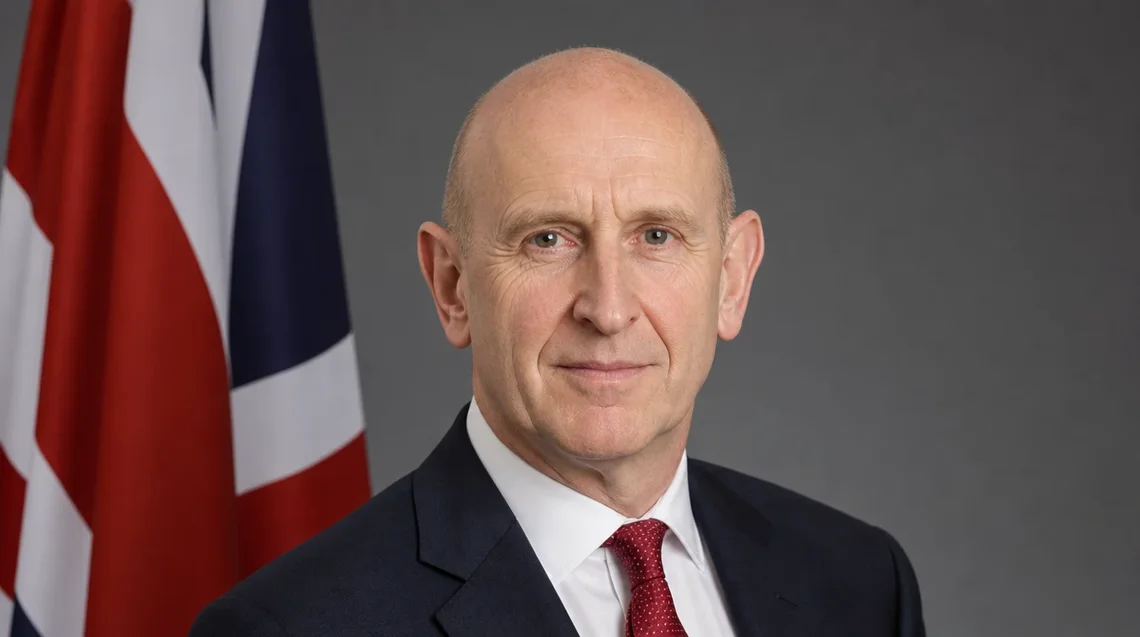
The British government has maintained one of the more substantial bilateral support relationships with Ukraine, providing main battle tanks, long-range Storm Shadow cruise missiles, and training programmes for Ukrainian personnel on British soil. UK defence officials have described sustained support for Ukraine as central to British national security interests, arguing that a Russian victory would embolden revisionist powers globally and undermine the deterrence architecture that has underpinned European stability since the Cold War (Source: UK Ministry of Defence).
The economic dimension remains significant. European energy markets continue to experience elevated volatility traceable in part to the conflict's disruption of regional supply chains and the political choices around Russian energy dependency that the war has forced. British households and businesses have absorbed substantial energy cost increases over the period of the conflict, and while prices have moderated from peak levels, structural vulnerabilities in European energy supply remain a live policy challenge (Source: International Energy Agency).
NATO's eastern flank has been substantially reinforced since the conflict began, with the United Kingdom contributing troops and military assets to enhanced forward presence deployments in Estonia, Poland, and the broader Baltic region. Alliance defence planners assess that demonstrating credible deterrence on NATO territory remains essential to preventing escalation beyond Ukraine's borders, officials said.
The trajectory of this offensive phase will have far-reaching consequences. Readers seeking historical context on Ukraine's battlefield record can review analysis of Ukraine's major counteroffensive in eastern regions and earlier reporting on Russia's advances in eastern Ukraine, which together illustrate the fluid and punishing nature of a conflict that has already reshaped European security for a generation.
As Ukrainian forces press their new offensive and Russian defenders seek to hold and counter, the fundamental calculus of the war remains unchanged: Kyiv is fighting for national survival, Moscow for territorial conquest and strategic dominance, and Europe for the principle that borders cannot be redrawn by force. The outcome of the battles now under way in the mud and rubble of eastern Ukraine will influence not only the fate of one country but the credibility of an international order that both sides understand is on trial.