UN Security Council deadlocked on Gaza aid renewal
Russia, China block humanitarian resolution as crisis deepens
The United Nations Security Council has once again failed to pass a resolution extending humanitarian aid access to Gaza, after Russia and China exercised their veto powers to block a Western-backed draft text, leaving millions of Palestinian civilians facing a deepening crisis with no international legal framework in place to guarantee relief operations. The collapse of negotiations marks the latest in a series of diplomatic failures at the Council and raises urgent questions about the UN's capacity to respond to one of the world's most acute humanitarian emergencies.
Key Context: The UN Security Council has fifteen members, five of which hold permanent seats with veto power: the United States, the United Kingdom, France, Russia, and China. Any single permanent member can block a resolution regardless of how many other members support it. Since the outbreak of the current Gaza conflict, the Council has been unable to pass binding resolutions on humanitarian access on multiple occasions, with vetoes preventing international consensus. The UN Office for the Coordination of Humanitarian Affairs (OCHA) estimates that over two million people in Gaza currently face acute food insecurity, and humanitarian convoys have faced repeated restrictions on entry and movement.
The Vote and Its Immediate Aftermath
The draft resolution, co-sponsored by the United Kingdom, France, and the United States, called for an immediate and unconditional expansion of humanitarian corridors into Gaza, including the resumption of aid deliveries through the Kerem Shalom and Rafah crossings, and demanded that all parties to the conflict comply with international humanitarian law. The text received support from eleven of fifteen Council members, but Russia and China cast vetoes, preventing its adoption. The result was immediately condemned by Western governments and humanitarian organisations.
Russian and Chinese Objections
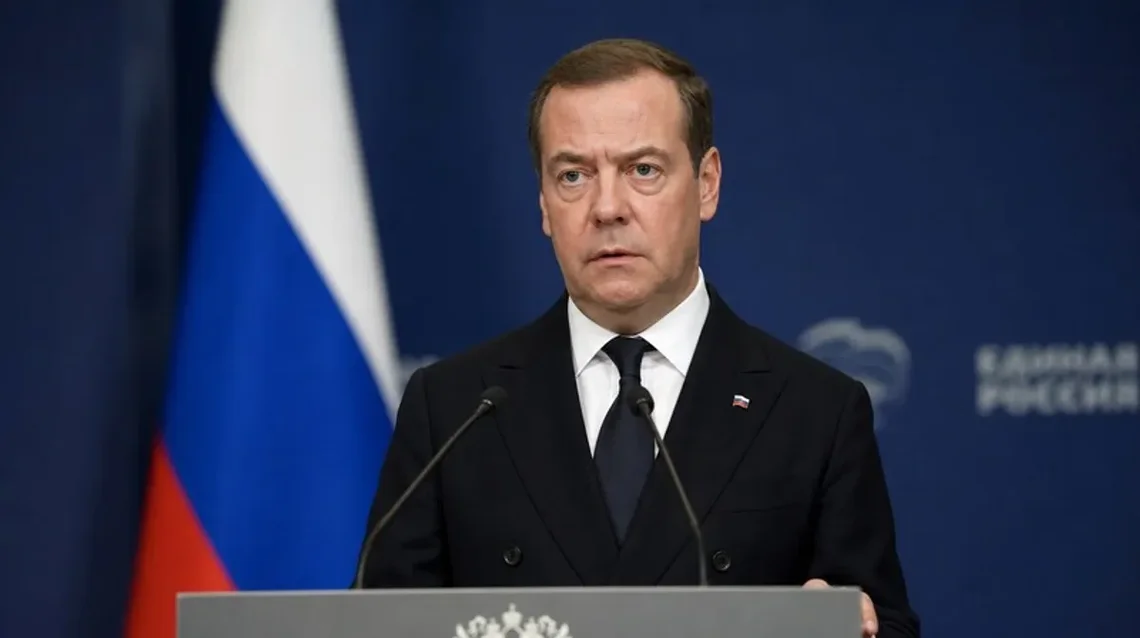
Moscow and Beijing argued that the resolution was a politically motivated document designed to exert pressure on parties aligned with their strategic interests, rather than a genuine humanitarian instrument. Russian Ambassador Vassily Nebenzia characterised the draft as "unbalanced and politically loaded," according to statements reviewed by Reuters. Chinese officials echoed that position, insisting that a durable solution required addressing underlying political grievances rather than issuing piecemeal humanitarian directives. Both governments have repeatedly framed Western-backed resolutions at the Council as extensions of geopolitical competition rather than principled multilateral action.
Related Articles
Humanitarian Organisations React
The response from the humanitarian sector was swift and stark. The UN World Food Programme warned that aid pipelines into Gaza are "critically disrupted" and that its ability to reach the most vulnerable populations is being severely compromised. UNICEF issued a statement noting that children in Gaza are dying from causes that are entirely preventable, including malnutrition and dehydration, and called the Council's failure to act a "moral catastrophe." Médecins Sans Frontières described conditions in northern Gaza in particular as "catastrophic beyond description," with medical facilities overwhelmed and supply chains broken. (Source: UN OCHA, UNICEF, World Food Programme)
A Pattern of Paralysis
The failure is not an isolated incident but part of an accelerating pattern of Council deadlock that reflects broader fractures in the international order. The Council's inability to pass binding resolutions on the Gaza crisis mirrors its dysfunction on other major conflicts. Observers tracking the Council's record note that the body has become increasingly unable to fulfill its founding mandate of maintaining international peace and security when the interests of permanent members diverge sharply.
Parallel Failures in Ukraine
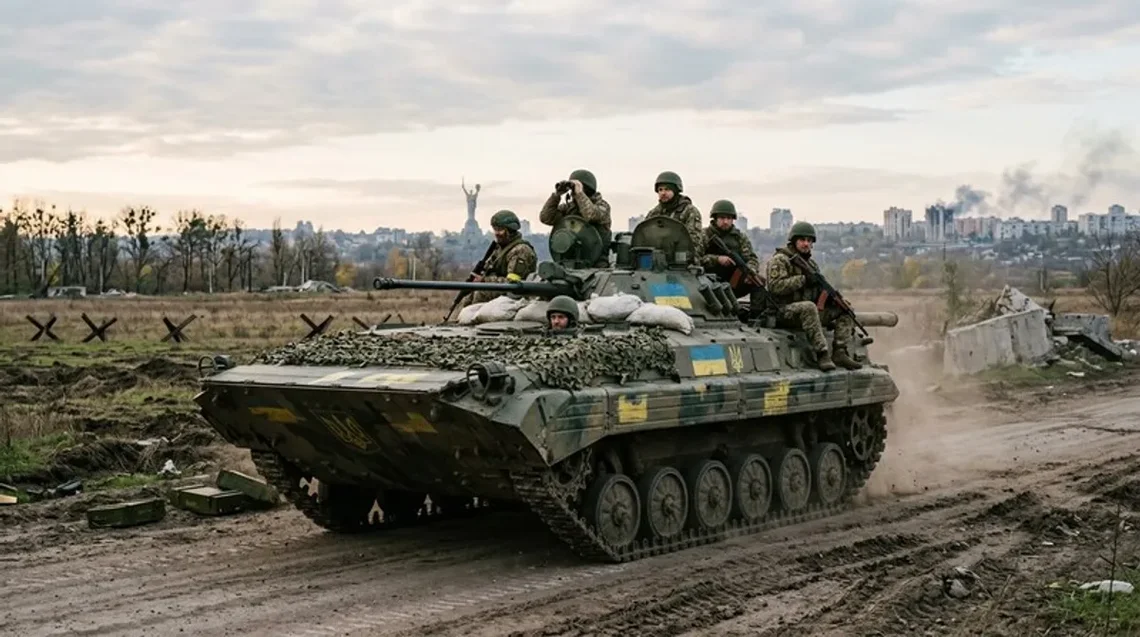
The same structural impediments have paralysed Council action on the conflict in Ukraine. Diplomatic analysts and Council watchers have noted that the dynamics in both crises are interrelated, with permanent members increasingly treating their veto not as a safeguard of last resort but as a routine instrument of geopolitical positioning. Readers following the broader trajectory of Council dysfunction may wish to review coverage of the UN Security Council deadlocked on Ukraine aid resolution and the earlier episode documented in reporting on the UN Security Council deadlocked on Ukraine aid corridor, both of which illustrate how the veto mechanism has rendered the Council effectively inert across multiple major crises simultaneously.
The cumulative effect, foreign policy analysts argue, is the systematic erosion of the Council's credibility as an institution. Writing in Foreign Policy, analysts have described the current period as one of "performative multilateralism," in which resolutions are tabled not in expectation of passage but to establish political positions and assign blame. (Source: Foreign Policy)
The Geopolitical Landscape
The vote must be understood within the wider context of shifting great-power alignments. Russia's relationship with Hamas and its broader opposition to Western-led initiatives in the Middle East have made it a consistent obstacle to Council action on Gaza. China, meanwhile, has positioned itself as a champion of the Global South and a critic of Western double standards on humanitarian intervention, a stance that plays well domestically and in multilateral forums even as it contributes to institutional paralysis.
US Position and Internal Western Tensions
The United States, which has itself previously vetoed Gaza resolutions it deemed unfavourable to Israel, co-sponsored the current draft text — a notable shift in posture that reflects evolving domestic and allied pressure on Washington to take a more forceful humanitarian stance. The Biden and subsequently current administration's positioning has been the subject of significant diplomatic scrutiny. Western allies have privately expressed frustration that the Council has become a theatre for geopolitical point-scoring rather than a functioning organ of international law. (Source: Reuters, AP)
For a broader assessment of how great-power competition has distorted Council operations, reporting on the UN Security Council deadlocked on Ukraine peace plan provides useful comparative context, illustrating how the same fault lines that fracture Council action on Ukraine are now consistently replicated in deliberations on Gaza.
Conditions on the Ground
Behind the diplomatic manoeuvring lies a humanitarian situation that continues to deteriorate at a pace that outstrips the international community's response capacity. UN agencies report that the volume of aid currently entering Gaza represents a fraction of what is required to meet minimum humanitarian standards. The collapse of commercial supply networks, the destruction of agricultural infrastructure, and ongoing restrictions on the movement of goods and personnel have combined to produce what UN Secretary-General António Guterres has described as an entirely man-made catastrophe.
Medical Infrastructure Under Pressure
Hospitals across Gaza are operating under conditions that medical personnel describe as beyond crisis level. The World Health Organisation has documented extensive damage to healthcare facilities and warned that without a sustained influx of medical supplies, the death toll from preventable disease and untreated wounds will significantly exceed battlefield casualties. Water and sanitation infrastructure has been severely compromised, creating conditions in which epidemic outbreaks are, according to WHO assessments, a realistic near-term risk. (Source: World Health Organisation, UN OCHA)
| Resolution Draft | Sponsored By | Vetoed By | Votes in Favour | Outcome |
|---|---|---|---|---|
| Humanitarian Aid Access Extension | UK, France, USA | Russia, China | 11 of 15 | Failed — no resolution adopted |
| Immediate Ceasefire Demand | Algeria, Brazil | USA | 13 of 15 | Failed — no resolution adopted |
| Humanitarian Pause Resolution | Malta (on behalf of Arab states) | USA | 12 of 15 | Failed — no resolution adopted |
| Condemnation of Hamas Attack | USA, UK | Russia, China | 10 of 15 | Failed — no resolution adopted |
What This Means for the UK and Europe
For the United Kingdom and its European partners, the Council's failure carries significant practical and reputational consequences. The UK, as a permanent Council member and a co-sponsor of the failed resolution, finds itself in the position of having publicly championed a text it was unable to see through to adoption. Foreign Secretary officials have reiterated Britain's commitment to humanitarian principles, but critics — including opposition MPs and international development organisations — have argued that the government's broader posture on the conflict undermines its credibility as a humanitarian actor.
European Union member states on the Council, as well as broader EU foreign policy institutions, face mounting domestic pressure to pursue alternative mechanisms outside the Council framework. Proposals under discussion include expanding the use of the UN General Assembly, where vetoes do not apply, to pass non-binding but politically significant resolutions — a route that has been used previously in the context of the Ukraine conflict. The EU has also signalled its intention to increase direct bilateral humanitarian contributions, bypassing UN bureaucratic channels where possible. (Source: European Commission, AP)
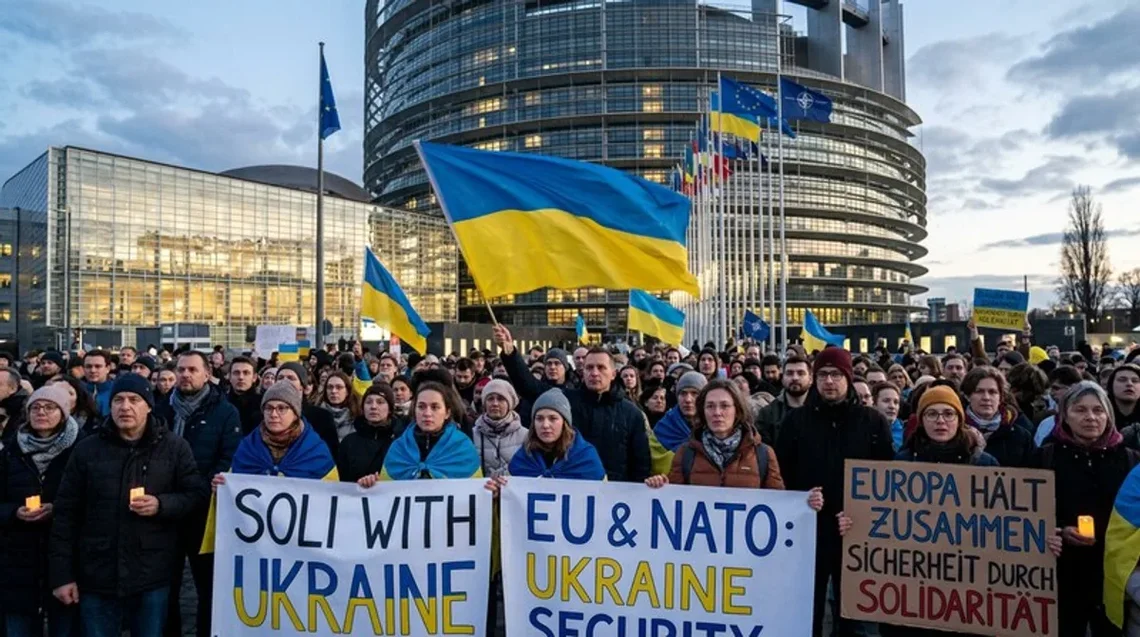
The failure also has implications for European security architecture. Analysts note that the Council's repeated inability to function reinforces the argument made by some European policymakers that international institutions built around post-war consensus are no longer fit for purpose in a multipolar world. The parallel deadlock on security matters — most recently documented in coverage of the UN Security Council deadlocked on Ukraine arms embargo — compounds the sense that Europe must develop more autonomous foreign policy instruments rather than relying on a Council increasingly controlled by adversarial veto powers.
What Comes Next
With no resolution in place, the legal and operational framework for humanitarian access to Gaza remains deeply uncertain. Aid organisations are continuing to operate under ad hoc arrangements and bilateral agreements with Israeli authorities, but these mechanisms are fragile, subject to political fluctuation, and offer none of the binding guarantees that a Security Council mandate would provide.
UN officials are exploring whether emergency sessions of the General Assembly can be convened under the "Uniting for Peace" procedure, which allows the Assembly to make recommendations on matters of international peace and security when the Council is deadlocked — though such resolutions carry no binding legal force. Diplomatic sources, speaking on condition of anonymity, indicated that discussions about a revised draft resolution are already under way, though prospects for overcoming the veto dynamic in the near term are described as "extremely limited." (Source: Reuters)
The Council's failure on Gaza aid renewal is, in one sense, a specific diplomatic event with immediate consequences for millions of people. In a broader sense, it is a symptom of a structural crisis in international governance that will outlast any individual conflict. Until the fundamental tensions among permanent members are addressed — whether through institutional reform, renewed diplomatic engagement, or some form of geopolitical realignment — the Council will continue to fail at the precise moments when its authority is most urgently needed. For the people of Gaza, that failure is measured not in procedural defeats but in lives lost to preventable suffering.