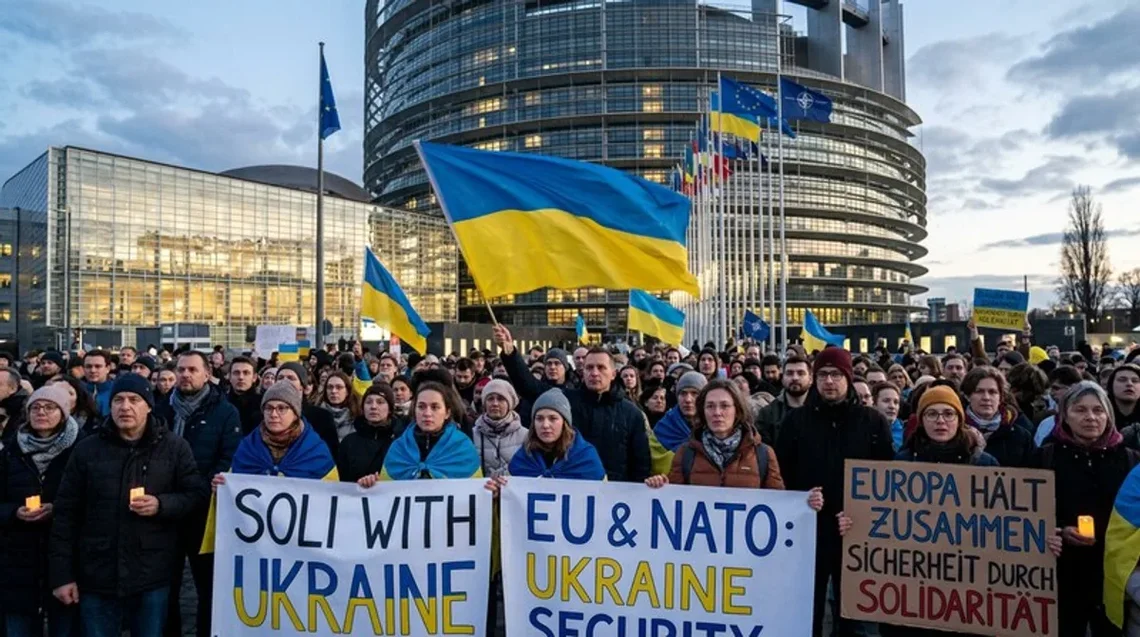
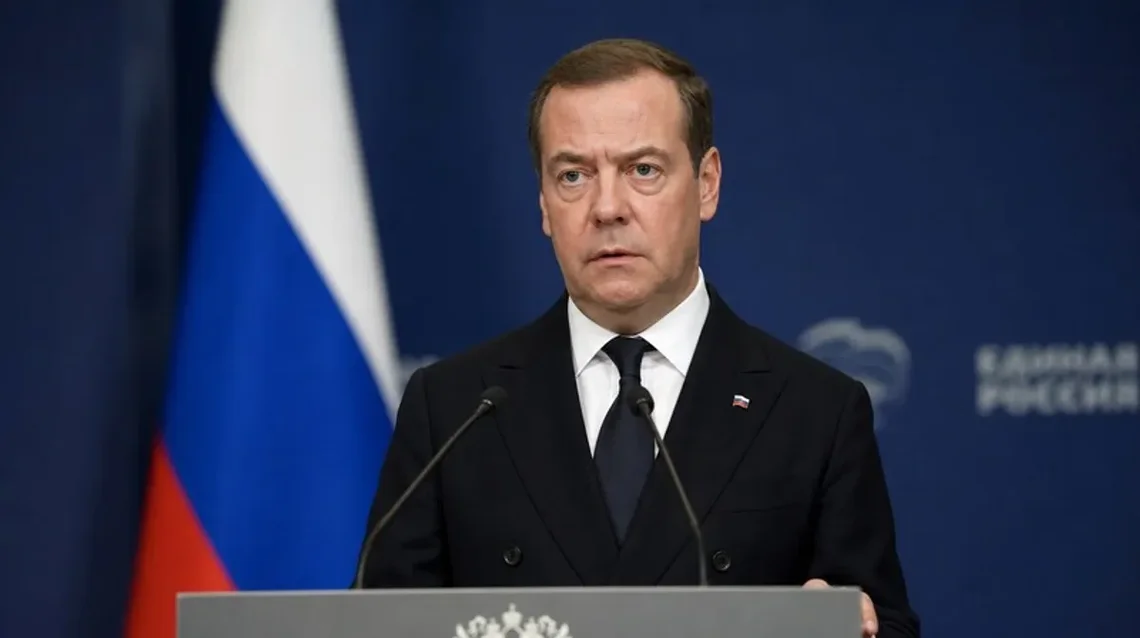
EU mulls fresh sanctions on Russia over Ukraine
Brussels considers economic measures as frontline fighting intensifies
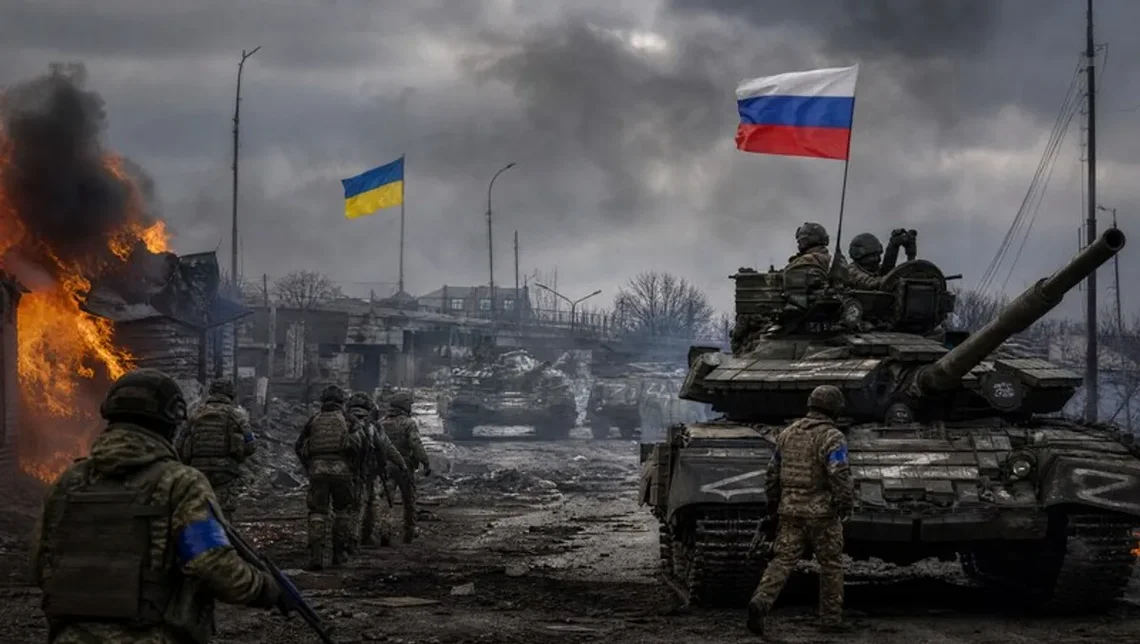
The European Union is actively deliberating a fresh package of economic sanctions targeting Russia as battlefield conditions in eastern Ukraine continue to deteriorate, with Brussels officials signalling that new restrictive measures could be approved within weeks. The proposals under discussion would extend existing trade restrictions, tighten controls on energy revenues, and target additional Russian financial institutions believed to be circumventing earlier rounds of penalties.
Key Context: The EU has adopted fourteen successive packages of sanctions against Russia since the full-scale invasion of Ukraine began, covering energy, finance, technology, and individuals linked to the Kremlin. Despite this, independent analysts and Western intelligence assessments indicate that Russia has partially adapted its economy through parallel import networks involving third-party states, including Turkey, the UAE, and several Central Asian nations. The European Commission estimates that Russian fossil fuel revenues, while significantly reduced, continue to fund a war economy that has prioritised military production over civilian welfare. (Source: European Commission)
What Is Being Proposed
Senior EU diplomats, speaking on background to reporters in Brussels, confirmed that the European Commission is preparing detailed proposals targeting several remaining gaps in the existing sanctions architecture. The measures under consideration include further restrictions on Russian liquefied natural gas imports, expanded controls on dual-use technology exports, and a broader list of financial entities subject to asset freezes and transaction prohibitions, officials said.
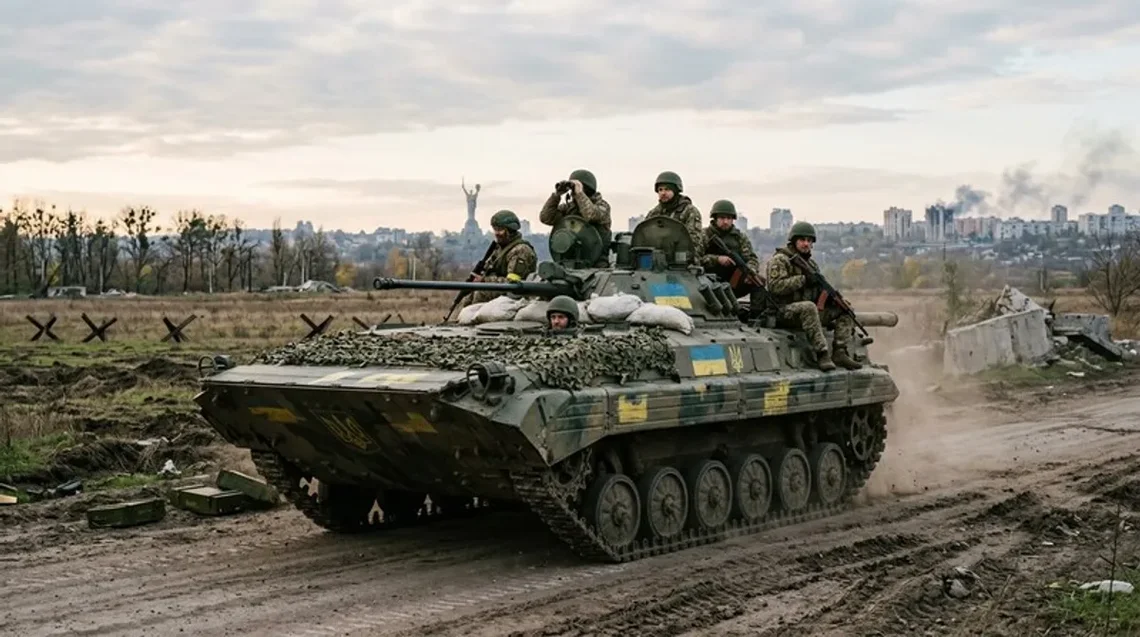
The deliberations come as frontline fighting in Ukraine has intensified across the Donetsk and Zaporizhzhia regions, placing renewed pressure on EU member states to demonstrate continued resolve. According to reporting by Reuters, European officials are particularly focused on closing loopholes that have allowed sanctioned goods — including semiconductors and precision machinery components — to reach Russia through intermediary countries.
Related Articles
Energy Revenue Restrictions
One of the most contested elements of the proposed package concerns Russian liquefied natural gas. Several EU member states, particularly in Central and Eastern Europe, have moved away from Russian pipeline gas but continue to receive LNG shipments that are then re-exported or consumed domestically. Critics within the bloc argue that this arrangement effectively continues to fund Moscow's war effort. The European Commission is reportedly examining mechanisms to restrict or phase out these flows entirely, though member state consensus remains elusive, according to officials familiar with the discussions. (Source: Reuters)
Technology and Dual-Use Controls
A parallel strand of the proposed measures targets dual-use technology exports. UN reports have documented the recovery of Western-manufactured components from Russian weaponry used in Ukraine, including drones, cruise missiles, and armoured vehicles. The proposed sanctions package would expand the list of controlled goods and introduce stricter end-user verification requirements for exports to third countries identified as likely transit points. Foreign Policy has reported extensively on the challenge of enforcing such controls without triggering diplomatic friction with non-aligned states. (Source: United Nations; Foreign Policy)
Member State Divisions
Achieving unanimity among the EU's twenty-seven member states on sanctions has grown progressively more difficult as the economic costs of existing restrictions accumulate. Hungary, under Prime Minister Viktor Orbán, has consistently sought carve-outs and delays, and officials anticipate similar resistance to the latest proposed package. Slovakia has also signalled reservations, particularly regarding energy provisions that it argues disproportionately burden smaller Central European economies.
The Eastern Flank Position
In contrast, the Baltic states — Estonia, Latvia, and Lithuania — along with Poland, have been the most vocal advocates for a more expansive and rapidly implemented sanctions regime. Officials from these governments have argued publicly and in closed Council sessions that economic pressure represents one of the most effective tools short of direct military intervention available to the bloc. Their position carries particular weight given their proximity to the conflict and direct experience of Russian foreign policy, officials said.
For background on how earlier compromise positions were reached within the Council, see coverage of how the EU tightened Russia sanctions over the Ukraine stalemate, which examined the diplomatic mechanics behind previous package negotiations.
The Broader Sanctions Architecture
The cumulative weight of Western economic measures against Russia since the full-scale invasion is without precedent in modern economic statecraft. The existing framework covers approximately two-thirds of Russian exports by value, has frozen an estimated three hundred billion euros in Russian sovereign assets held in Western financial institutions, and has placed restrictions on over two thousand individuals and entities, according to European Commission data.
Nevertheless, assessments from independent economists and Western intelligence services indicate that Russia's war economy has demonstrated greater resilience than initially anticipated. Elevated global energy prices in the early period of the war helped offset revenue losses, while trade diversion through non-aligned partners partially compensated for restricted access to Western technology and goods. (Source: European Commission; AP)
Enforcement Gaps and Shadow Fleets
A particularly persistent challenge involves what analysts describe as Russia's shadow fleet — a collection of aging oil tankers operating under flags of convenience that transport Russian crude in violation of the G7 price cap mechanism. AP reporting has highlighted how this network has expanded considerably, allowing Russia to sell oil above the agreed cap to buyers in Asia and the Middle East. The proposed new sanctions package includes provisions to designate additional vessels and the corporate structures behind them, though enforcement on the high seas remains inherently difficult. (Source: AP)
Earlier analysis of how the EU has navigated these structural enforcement challenges can be found in reporting on how EU sanctions targeted Russia over Ukraine supply lines.
| Package | Key Measures | Estimated Annual Revenue Impact (EUR) | Notable Exemptions / Disputes |
|---|---|---|---|
| Packages 1–3 (Early Phase) | Individual asset freezes, SWIFT exclusions, export controls | ~40–60 billion | Energy sector initially excluded |
| Packages 4–6 | Coal import ban, partial oil restrictions, luxury goods | ~80–100 billion | Pipeline gas excluded; Hungarian pipeline carve-out |
| Packages 7–10 | Gold ban, technology export controls, sea-borne oil price cap | ~120–150 billion | LNG partially excluded; Central European objections |
| Packages 11–14 | Anti-circumvention measures, shadow fleet designations, expanded entity lists | ~160–200 billion | Third-country compliance gaps; Hungarian delays |
| Package 15 (Proposed) | LNG restrictions, broader dual-use controls, financial sector expansion | Est. additional 20–40 billion | Member state consensus pending |
Ukraine's Position and Battlefield Context
Ukrainian officials have consistently urged the EU to accelerate and deepen its sanctions programme, arguing that economic pressure and military support are inseparable elements of a coherent Western strategy. Kyiv has specifically called for a full ban on Russian LNG imports and the seizure — not merely freezing — of Russian sovereign assets to fund Ukrainian reconstruction, positions that retain strong support in the European Parliament but face legal and political obstacles in several member state capitals.
The intensification of frontline fighting, particularly around Pokrovsk and along the southern axis toward Zaporizhzhia, has reinforced the urgency of decisions being made in Brussels. Military analysts cited by Reuters assess that Russia has maintained a grinding offensive momentum by committing substantial personnel reserves and continuing to adapt its artillery and drone strategies. (Source: Reuters)
For a detailed account of how escalating military conditions have previously driven the pace of EU diplomatic responses, the analysis of how the EU tightened Russia sanctions over Ukraine escalation provides essential context on the relationship between battlefield events and European policy cycles.
What This Means for the UK and Europe
For the United Kingdom, which operates its own autonomous sanctions regime following its departure from the EU, the proposed Brussels measures present both alignment opportunities and strategic considerations. The UK has maintained broad coordination with EU sanctions policy and has independently designated several hundred Russian individuals and entities. British officials have indicated a willingness to synchronise further restrictive measures with European partners, though the mechanisms for doing so are less formalised than the pre-Brexit framework, officials said.
Economic Exposure and Energy Security
For European consumers and businesses, the proposed new package carries tangible economic implications. Restrictions on Russian LNG would place upward pressure on already elevated wholesale gas prices, with knock-on effects for manufacturing, household energy bills, and inflation trajectories across the continent. European Central Bank assessments have flagged energy price volatility as a persistent risk to the eurozone's economic outlook, and any tightening of energy sanctions would require careful calibration against economic stability objectives. (Source: European Central Bank)
The UK, while less directly exposed to Russian LNG than some Continental neighbours, imports gas through interconnectors with the European grid and would not be insulated from price effects in global LNG markets. British households already navigating the legacy of elevated energy costs would face renewed pressure in the event of a significant supply disruption or price spike, analysts note.
Strategic Coherence and Allied Credibility
Beyond the economics, the political stakes of the current deliberations are substantial. A failure to agree on a meaningful new package would be read by Moscow as evidence of fracturing Western resolve — a narrative the Kremlin has actively cultivated. Conversely, a substantive package, even if imperfect, would reinforce the signal that the EU's collective commitment to supporting Ukraine and imposing costs on Russia remains intact, Western officials argue.
Previous rounds of this debate, and the diplomatic architecture that produced earlier compromise outcomes, are examined in detail in the report on how the EU tightened Russia sanctions over Ukraine's offensive, which traced the Council negotiation process through contested sessions. Additional context on the evolution of Western economic statecraft appears in analysis of how Russia has faced successive new Western sanctions over Ukraine, covering the broader G7 and allied coordination framework.
Outlook
Diplomatic sources indicate that the European Commission aims to present a formal legislative proposal to member state representatives before the end of the current political calendar, with a Council decision potentially feasible within the following weeks if political will can be consolidated. The timeline, however, remains contingent on the resolution of internal disputes, particularly over energy provisions, and on the broader geopolitical context, including the state of any diplomatic channels related to a potential ceasefire framework.
What appears clear from the current trajectory is that Brussels regards economic pressure as an indispensable instrument of European security policy for the foreseeable future — and that the debate over the depth, pace, and enforcement of that pressure will continue to define the EU's relationship with its eastern neighbourhood, its transatlantic partners, and, critically, its own internal cohesion. For the UK, navigating these currents from outside the formal EU decision-making structure while remaining a frontline contributor to Ukrainian defence represents one of the defining foreign policy balancing acts of this era.