EU tightens Russia sanctions over Ukraine arms
Brussels targets defence sector in coordinated bloc response
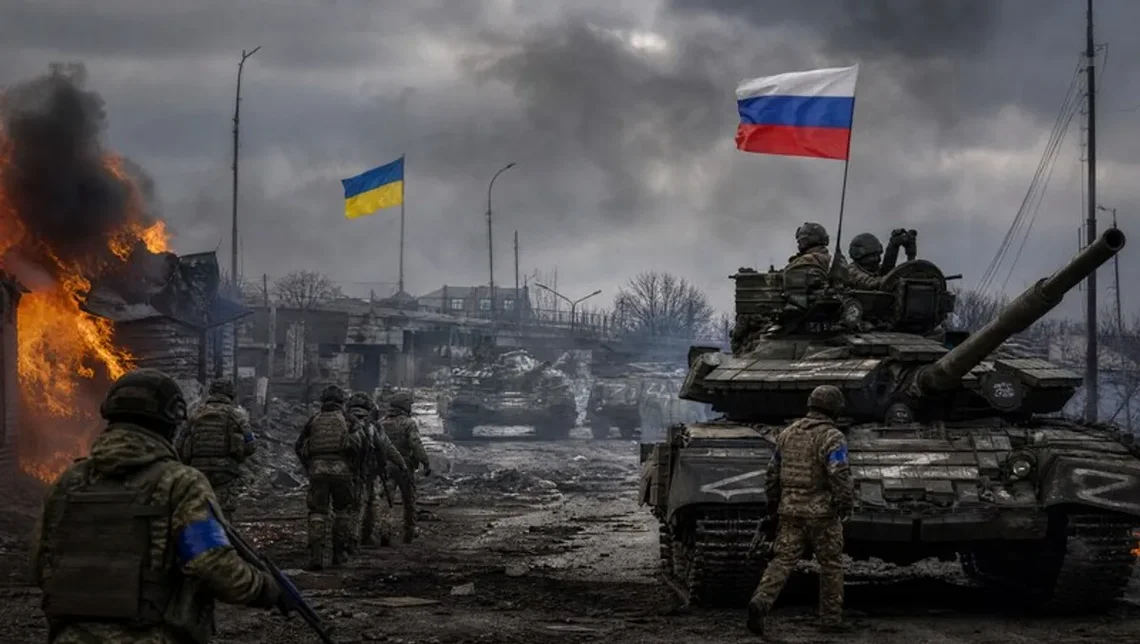
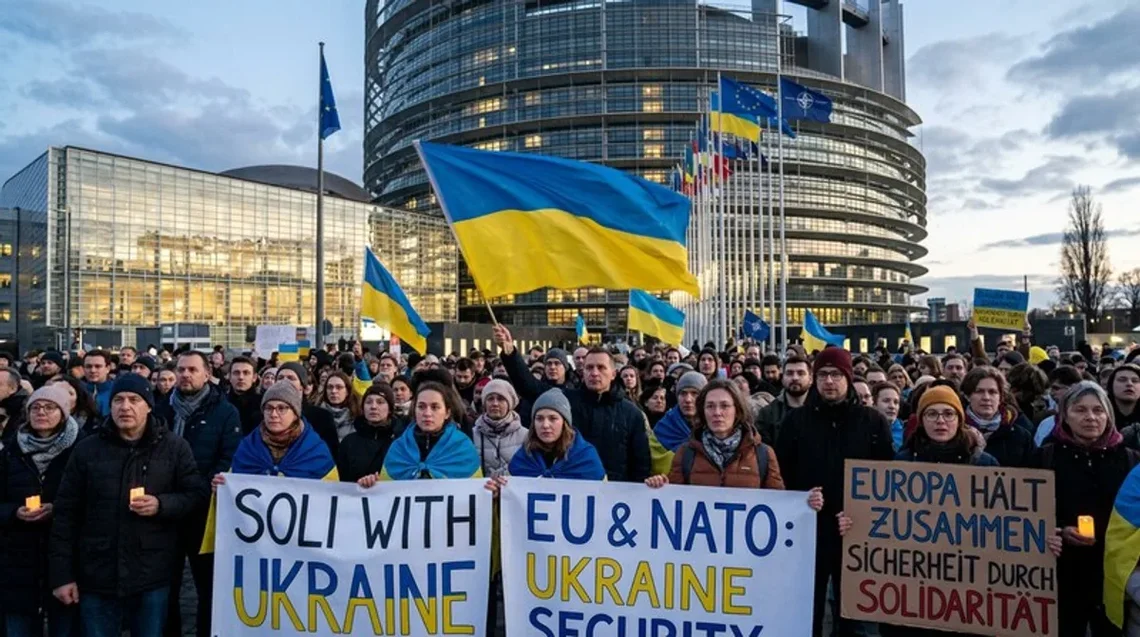
The European Union has moved to significantly expand its sanctions regime against Russia, targeting the country's defence industrial base with a sweeping new package designed to restrict the flow of weapons, technology, and financial resources sustaining Moscow's military campaign in Ukraine. The measures, agreed upon by EU member states following months of diplomatic negotiations, represent one of the most comprehensive coordinated responses from the bloc since the war's outset, according to officials familiar with the deliberations.
Key Context: The EU has now adopted more than a dozen sanctions packages against Russia since the full-scale invasion of Ukraine began, making it one of the most sanctioned countries in modern history. The measures collectively target hundreds of individuals and entities, restrict Russian energy exports, freeze sovereign assets, and limit Moscow's access to critical dual-use technology. The latest package specifically expands restrictions on third-country entities accused of facilitating sanctions circumvention, marking a notable shift in the bloc's enforcement posture. (Source: European Commission)
What the New Package Contains
The latest sanctions round introduces several significant measures that build on earlier frameworks while addressing gaps that Brussels officials and member state governments had identified in the bloc's enforcement architecture. At its core, the package targets entities directly supplying components to Russia's defence sector, including firms operating through intermediary jurisdictions in Central Asia, the Gulf, and parts of Southeast Asia, according to European Commission documentation reviewed by analysts.
Defence Sector Restrictions
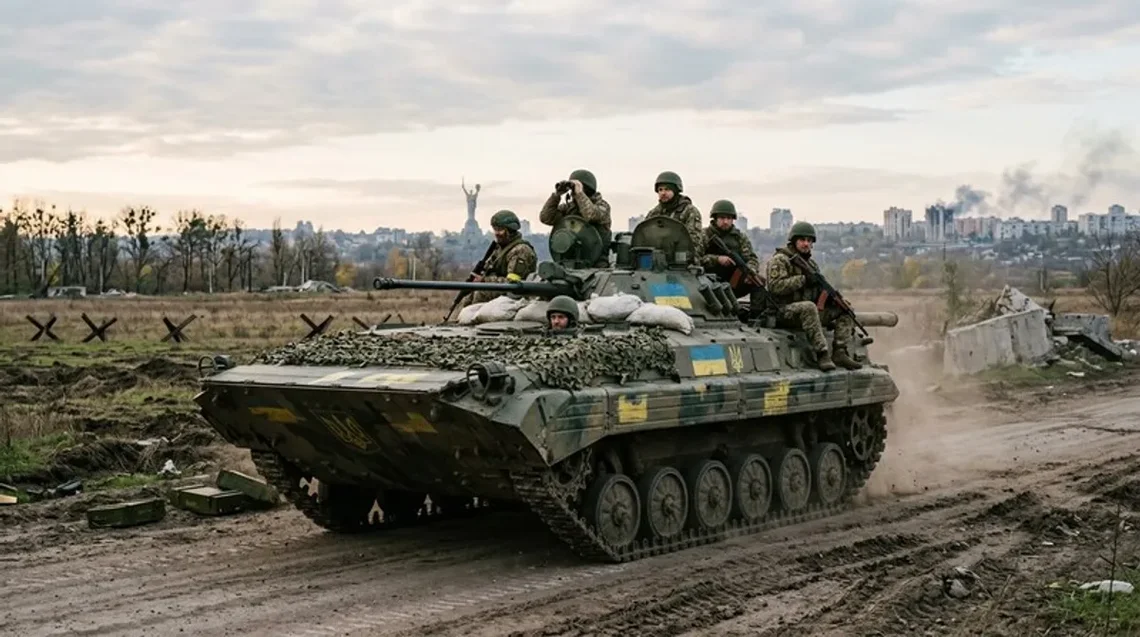
Restrictions on the Russian defence industrial base have been substantially deepened. The new measures extend export controls on a broader list of dual-use goods, including advanced electronic components, machine tooling, and certain chemical precursors that have been identified as critical inputs for Russian weapons manufacturing. EU officials said the additions were informed by battlefield intelligence and analysis of Russian munitions recovered in Ukraine, which revealed continued reliance on Western-origin components despite earlier rounds of export controls. (Source: Reuters)
Related Articles
Related reporting on how successive measures have evolved is available in our coverage of EU tightens Russia sanctions over Ukraine arms escalation, which traces the trajectory of European policy since the conflict's early phase.
Financial and Banking Measures
The package also introduces fresh restrictions targeting Russian financial institutions that have continued operating in international markets through correspondent banking relationships routed via non-sanctioning jurisdictions. Several additional Russian banks have been listed, and the bloc has tightened rules governing the provision of financial messaging services. Officials said the intent is to reduce the workaround capacity that has allowed some Russian financial flows to continue relatively unimpeded. (Source: AP)
The Circumvention Problem
Perhaps the most politically contentious element of the new measures is the explicit naming of third-country entities accused of helping Russia circumvent existing restrictions. For the first time, the bloc has moved to list companies based in jurisdictions that have not aligned with Western sanctions, a step that carries significant diplomatic implications and has been resisted by some member states concerned about trade relationships and retaliatory risks.
Third-Country Pressure
Brussels has long acknowledged that the effectiveness of its sanctions architecture depends substantially on whether non-EU countries choose to enforce parallel restrictions or at minimum decline to serve as transit points for prohibited goods. Evidence compiled by EU customs and intelligence agencies, as well as independent analysis published by the Kyiv School of Economics, has shown persistent re-export of controlled items through Turkey, the United Arab Emirates, Kazakhstan, and Armenia, among others. The new listings signal a harder line from the European Commission, though enforcement mechanisms remain dependent on member state customs authorities. (Source: Foreign Policy)
For context on the strategic pressures underlying these decisions, readers may consult our analysis of EU Tightens Sanctions on Russia Over Ukraine Arms Buildup, which examines the intelligence picture driving European policy shifts.
Member State Unity and Internal Tensions
Reaching agreement on the package required extensive negotiation among the EU's 27 member states, several of which maintain distinct economic and strategic relationships that complicate consensus-building on Russia policy. Hungary, which has consistently been the most vocal opponent of expansive sanctions measures within the bloc, again raised objections during negotiations, though it ultimately did not exercise a veto, officials said. The compromise language in certain provisions reflects concessions made to ensure unanimity. (Source: Reuters)
Eastern Flank States Drive Ambition
By contrast, the most forceful advocates for a stringent package were the Baltic states — Estonia, Latvia, and Lithuania — alongside Poland and Finland, all of which share borders or close proximity to Russia and view robust sanctions enforcement as directly tied to their own security. These governments have consistently pushed the EU's centre of gravity on Russia policy toward a harder line, and their influence in shaping the latest measures was evident in the final text's emphasis on enforcement and third-country compliance. (Source: AP)
| Package | Primary Focus | Notable Measures | Member State Consensus |
|---|---|---|---|
| Early Packages (I–IV) | Individual listings, banking restrictions | SWIFT disconnections, asset freezes | Broad agreement |
| Mid-Phase (V–VIII) | Energy, trade, technology | Oil price cap framework, coal ban | Contested energy provisions |
| Later Packages (IX–XII) | Circumvention, dual-use goods | Third-country listings introduced | Hungary abstentions, Baltic pressure |
| Current Package | Defence industrial base | Extended export controls, financial messaging | Unanimous with concessions |
International Dimensions and Allied Coordination
The EU's latest round has been developed in close coordination with partners including the United States, the United Kingdom, Canada, Australia, and Japan. Officials involved in the process described ongoing dialogue through the G7 sanctions coordination mechanism, which has sought to align export control lists and close off arbitrage opportunities that arise when allied regimes diverge. A UN Panel of Experts report, which examined weapons flows and sanctions compliance, noted significant evidence of continued Russian procurement of restricted items through third-country networks, lending urgency to the enforcement-focused elements of the new package. (Source: UN reports)
Washington and London Alignment
Both the United States Treasury Department and the UK's Office of Financial Sanctions Implementation have moved to introduce broadly parallel measures in recent weeks, a sequence that reflects deliberate policy alignment rather than coincidence, according to officials cited in reporting by Reuters. The synchronisation reduces the risk that sanctioned entities simply migrate activity to less restrictive allied jurisdictions while still nominally complying with their home country's rules.
Our prior coverage of EU Tightens Russia Sanctions Over Ukraine Offensive documents earlier phases of this allied coordination effort and the institutional frameworks underpinning it.
What This Means for the UK and Europe
For the United Kingdom, which left the EU but has maintained a closely aligned sanctions posture on Russia, the latest Brussels package carries both practical and political significance. The UK's own sanctions framework, administered through the Foreign, Commonwealth and Development Office and OFSI, already mirrors many EU measures, and British officials are expected to introduce complementary designations in the coming weeks, according to reporting by AP.
Economically, European businesses continue to navigate a sanctions landscape that has fundamentally altered trade flows across the continent. Energy costs remain elevated compared to pre-war levels, supply chains for certain industrial inputs have been restructured, and European firms with historical exposure to Russian markets have absorbed significant write-downs. The cumulative impact of successive sanctions packages has contributed to these structural adjustments, though economists disagree about the precise causal weight of sanctions versus broader market dynamics. (Source: Foreign Policy)
For European security architecture more broadly, the sanctions regime functions as one component of a multifaceted response that also includes military assistance to Ukraine, diplomatic isolation of Moscow in multilateral forums, and efforts to strengthen the continent's own defence industrial capacity. Officials in Brussels and in member state capitals have consistently framed the measures not as a substitute for other tools but as a means of compressing Russia's economic capacity to sustain a prolonged military campaign. (Source: European Commission)
Additional analysis of the longer-term strategic picture is available in our reporting on EU Tightens Russia Sanctions Over Ukraine Stalemate, which examines how European policy has adapted to the conflict's extended duration and shifting front lines.
Outlook and Implementation Challenges
The implementation of the new measures will test both the administrative capacity of member state authorities and the political will to enforce restrictions against entities in jurisdictions with which the EU maintains significant trade and diplomatic ties. Experts interviewed by Reuters described the circumvention challenge as structural rather than incidental, noting that determined state-level actors with access to global financial and logistics networks will continue to find pathways around restrictions regardless of how tightly they are drawn.
Enforcement Gaps Remain
EU customs data shows considerable variation in the rigour with which member states apply export controls at their borders, a disparity that creates internal arbitrage risk within the single market itself. The Commission has signalled its intention to introduce a dedicated sanctions enforcement body, though proposals remain under internal discussion and face resistance from member states reluctant to cede regulatory competence to Brussels in this domain. (Source: AP)
Despite these structural complications, European officials have maintained that the cumulative pressure of successive packages has materially degraded Russia's economic position and imposed costs on its military procurement system. Whether that pressure will translate into a shift in Moscow's strategic calculus remains the central unanswered question — one that policymakers across the continent are watching with acute attention as the conflict enters another chapter without a clear diplomatic resolution in sight.