Senate Republicans Block Immigration Bill Compromise
Bipartisan effort collapses over border enforcement terms
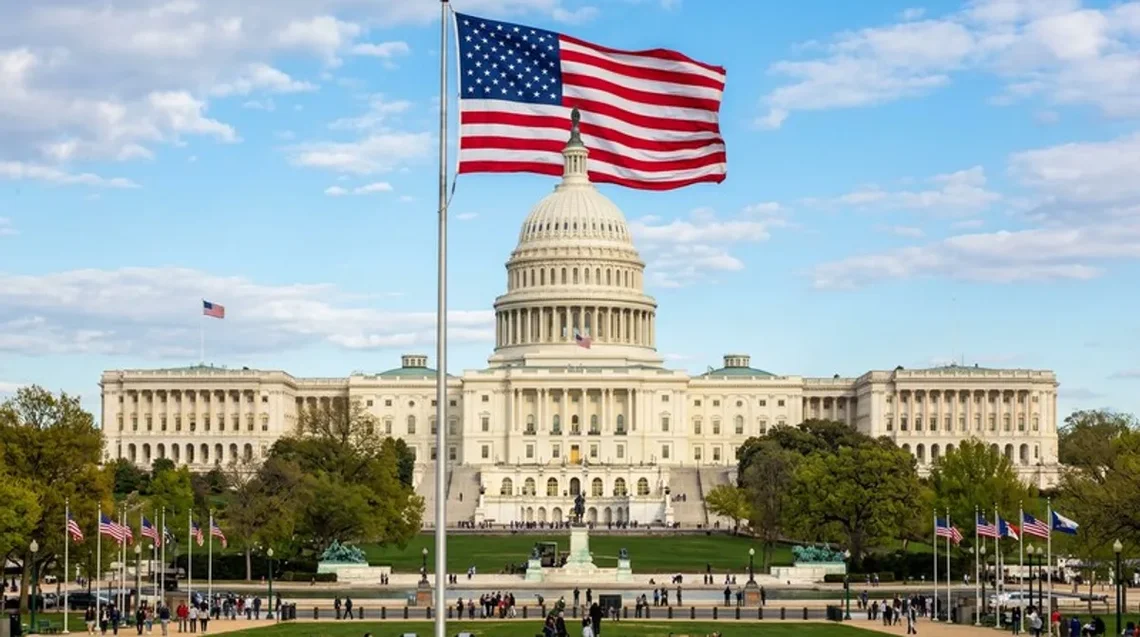
Senate Republicans blocked a bipartisan immigration compromise this week, defeating a measure that had consumed months of difficult negotiations and represented one of the most serious congressional efforts to overhaul the US border enforcement system in more than a decade. The bill fell short of the 60 votes required to advance past a procedural hurdle, marking yet another collapse of cross-party cooperation on an issue that has defined American political battles for generations.
The cloture vote failed largely along party lines, with a small number of Republican senators joining all present Democrats in favour of advancing the legislation — a margin insufficient to overcome the Senate filibuster threshold. Republican leadership argued the bill did not go far enough on enforcement mechanisms, while Democratic supporters accused opponents of killing a genuine compromise for partisan electoral advantage, according to reporting from AP and Reuters.
Key Positions: Republicans argued the bill contained insufficient border enforcement provisions and failed to grant the executive branch adequate powers to rapidly expel migrants during surge periods; Democrats maintained the compromise already represented major concessions on asylum processing timelines and detention capacity, insisting further restrictions were unacceptable; the White House expressed strong support for the legislation, framing its defeat as a deliberate act of political sabotage ahead of a federal election cycle and calling on Congress to return to the negotiating table.
The Vote and Its Immediate Aftermath
Procedural Breakdown
The legislation required 60 votes to invoke cloture and proceed to a full floor debate. Final tallies confirmed the bill received fewer than the required threshold, with Republican opposition proving decisive. Senate Majority leadership had scheduled the vote after weeks of back-channel discussions between senior negotiators from both parties, and the failure triggered immediate recriminations across the chamber. Several moderate Republican senators who had been involved in the drafting process ultimately voted against advancing the bill after pressure from party leadership and outside conservative groups, officials said.
Related Articles
The procedural defeat mirrors a pattern documented in previous legislative cycles. For context on earlier episodes of Senate obstruction on this issue, see the reporting archive on Senate Republicans blocking immigration reform, which traces how similar dynamics have played out over successive congressional sessions.
Reaction from Both Chambers
House Republican leadership signalled they would not take up any version of the Senate bill regardless of outcome, further narrowing the legislative pathway for any comprehensive immigration measure. Senior Democratic senators characterised the vote as a deliberate effort to preserve immigration as a campaign issue rather than legislate in good faith. Independent analysts noted the sequence of events closely tracked earlier standoffs — a dynamic explored in depth in coverage of the Senate blocking immigration legislation in a party-line vote during the previous congressional session.
| Metric | Figure | Source |
|---|---|---|
| Votes required for cloture | 60 | US Senate Rules |
| Republican senators supporting cloture | Fewer than 10 | AP Wire |
| Americans saying immigration is a "very important" issue | 52% | Gallup |
| Share of public supporting stricter border enforcement | 55% | Pew Research |
| Share supporting a path to legal status for long-term undocumented residents | 68% | Pew Research |
| Estimated net fiscal impact of immigration reform over 10 years | +$140 billion to federal revenue | Congressional Budget Office |
What the Bill Actually Proposed
Core Enforcement Provisions
The legislation, negotiated over several months by a bipartisan group of senators, contained a series of significant enforcement enhancements that supporters said should have attracted Republican votes. Key provisions included new emergency authority allowing the executive branch to rapidly restrict asylum claims when daily border crossing figures exceeded defined thresholds — a mechanism that represented a major concession from progressive Democrats who had historically opposed such emergency powers, according to congressional aides familiar with the text.
The bill also proposed a restructuring of the immigration court backlog, currently exceeding three million pending cases, by hiring additional immigration judges and streamlining adjudication timelines. The Congressional Budget Office assessed that those efficiency provisions, combined with projected changes in workforce participation patterns among newly legalised residents, would produce a net positive fiscal impact over a ten-year window. (Source: Congressional Budget Office)
Legal Pathway Components
Alongside enforcement measures, the bill included a conditional pathway to legal status for specific categories of long-term undocumented residents, including recipients of the Deferred Action for Childhood Arrivals programme and agricultural workers. Critics on the Republican right argued these provisions amounted to what they characterised as an amnesty, while the bill's authors countered that eligibility criteria were deliberately narrow and tied to work history and continuous residency requirements.
Polling data consistently shows a majority of Americans support some form of legal status for long-term undocumented residents, even as they simultaneously express concern about border security. A Pew Research survey found 68 percent of respondents favour a path to legal status for individuals who have lived in the United States for extended periods, while a separate Gallup tracking series places immigration among the top five issues of concern nationally. (Source: Pew Research, Source: Gallup)
Republican Opposition: Stated and Strategic Rationale
Policy Objections
Senate Republican leadership cited several specific objections to the bill's enforcement architecture. Chief among them was the argument that the emergency threshold mechanism was set too high, meaning the executive branch emergency powers would rarely if ever be triggered under realistic crossing figures. Republicans also challenged provisions they said would limit deportation authority in specific circumstances and argued asylum processing reforms did not adequately deter what they characterised as fraudulent or abusive claims.
Conservative legal organisations that had reviewed draft bill language publicly opposed the measure in the weeks before the vote, providing political cover for Republican senators facing primary challenges from the right flank of their party. Several senators who had previously signalled openness to the framework reversed their positions in the final days before the procedural vote, officials said.
Electoral Calculus
Democratic senators and outside analysts were direct in alleging that electoral strategy, rather than pure policy objection, drove the unified Republican opposition. The argument, widely reported by AP and Reuters, held that Republican leadership calculated that a functioning bipartisan deal would neutralise immigration as a campaign issue — one that polling data suggests currently advantages Republican candidates — and that defeating the bill served the party's electoral positioning more effectively than passing it.
That strategic dimension is not without precedent. Analysis of prior Senate obstruction on similar legislation, including incidents examined in coverage of Senate Republicans blocking a Democratic immigration bill, shows a recurring pattern in which border-related legislation stalls during election-proximate periods regardless of its substantive content.
White House Response and Executive Options
Administration Position
The White House issued a pointed statement condemning the bill's defeat, accusing Republican senators of prioritising political advantage over national security and the wellbeing of border communities. Administration officials said the president had been personally engaged in encouraging moderate Republican support and expressed frustration that negotiators who had helped craft bill language ultimately declined to vote for advancing it.
Senior administration officials indicated the White House would examine available executive authority to implement portions of the bill's enforcement framework without congressional action, though legal advisers cautioned that unilateral measures would face immediate judicial challenge and carry inherent limitations compared to statutory authority. The administration's record on executive immigration action has itself been subject to extensive litigation, limiting the practical scope of any unilateral response.
Prospects for Further Legislation
Congressional observers and immigration policy analysts offered a uniformly pessimistic assessment of near-term legislative prospects. With the House controlled by a Republican majority that has shown no appetite for compromise measures and the Senate calendar compressed by recess schedules and competing legislative priorities, there is no identified pathway for a renewed bipartisan negotiation to produce a floor vote in the current session, officials and analysts said.
The broader legislative graveyard of failed immigration bills has been documented extensively. Prior episodes — including those covered in reporting on Senate Republicans blocking immigration legislation in a partisan vote — illustrate that the structural incentives producing these outcomes have remained largely unchanged across multiple Congresses and administrations.
Public Opinion and the Policy Gap
The persistent gap between public opinion on immigration and legislative outcomes in Washington is striking. Gallup data show immigration ranks as a very important issue for a majority of Americans, with concern elevated on both sides of the debate. Pew Research surveys indicate that while most Americans support stronger border enforcement, substantial majorities simultaneously back legal status for long-term undocumented residents — a combination of preferences that the defeated bill was specifically designed to address. (Source: Gallup, Source: Pew Research)
The Congressional Budget Office had projected that comprehensive reform along the bill's lines would reduce the federal deficit over the long term by expanding the taxable labour force and reducing expenditure associated with irregular migration processing. That economic assessment failed to move Republican opponents, suggesting that fiscal arguments, however credible, carry limited weight in a debate increasingly dominated by cultural and electoral considerations. (Source: Congressional Budget Office)
Historical Context and What Comes Next
A Decade of Failed Reform
The United States has not enacted comprehensive immigration legislation in nearly four decades. Multiple bipartisan efforts — including a Senate-passed comprehensive reform bill earlier this decade that died in the House — have failed to reach the president's desk. The pattern of near-miss legislation followed by collapse has become a defining feature of American immigration politics, frustrating advocates, enforcement officials, and affected communities in equal measure.
Each failure recalibrates the political landscape in ways that tend to make subsequent negotiation more difficult rather than less. Hardened positions, accumulated grievances, and the precedent of collapse all raise the risk premium for legislators willing to engage in good-faith compromise, analysts told AP.
The defeat of this latest bipartisan effort leaves the US immigration system operating under an accumulation of executive orders, court injunctions, and emergency declarations rather than coherent statutory authority. Border communities, immigration courts, federal agencies, and millions of individuals whose legal status remains unresolved will continue to navigate that uncertain landscape as the political system fails, once again, to produce durable legislative answers to questions that have defined American politics for a generation.