NATO bolsters eastern defenses amid Ukraine stalemate
Alliance approves expanded deployments across Poland, Baltic states
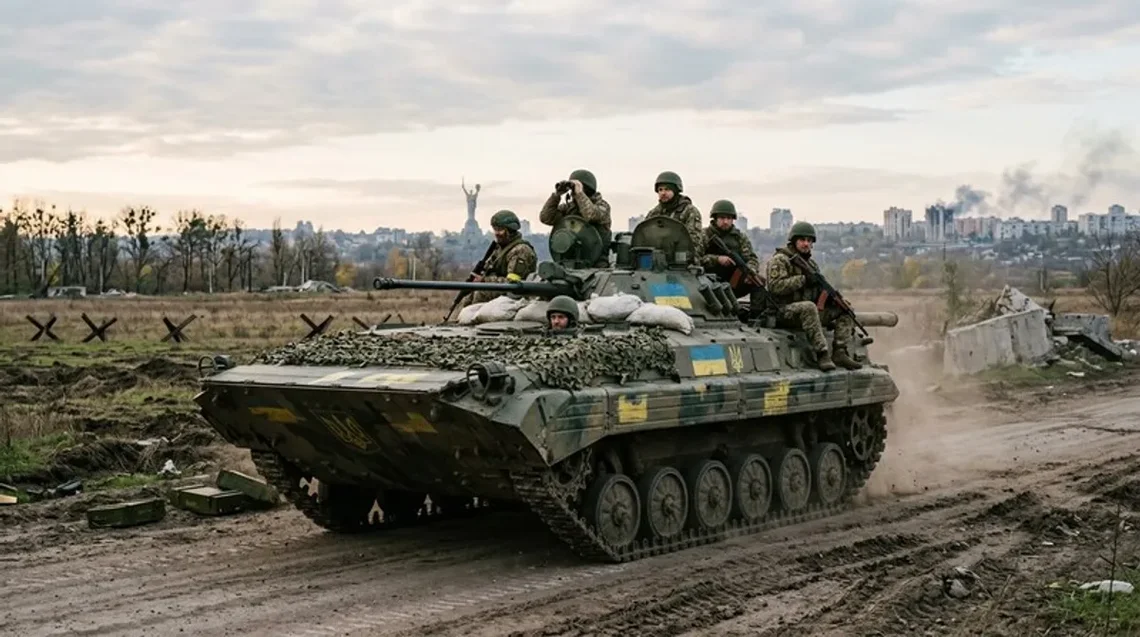
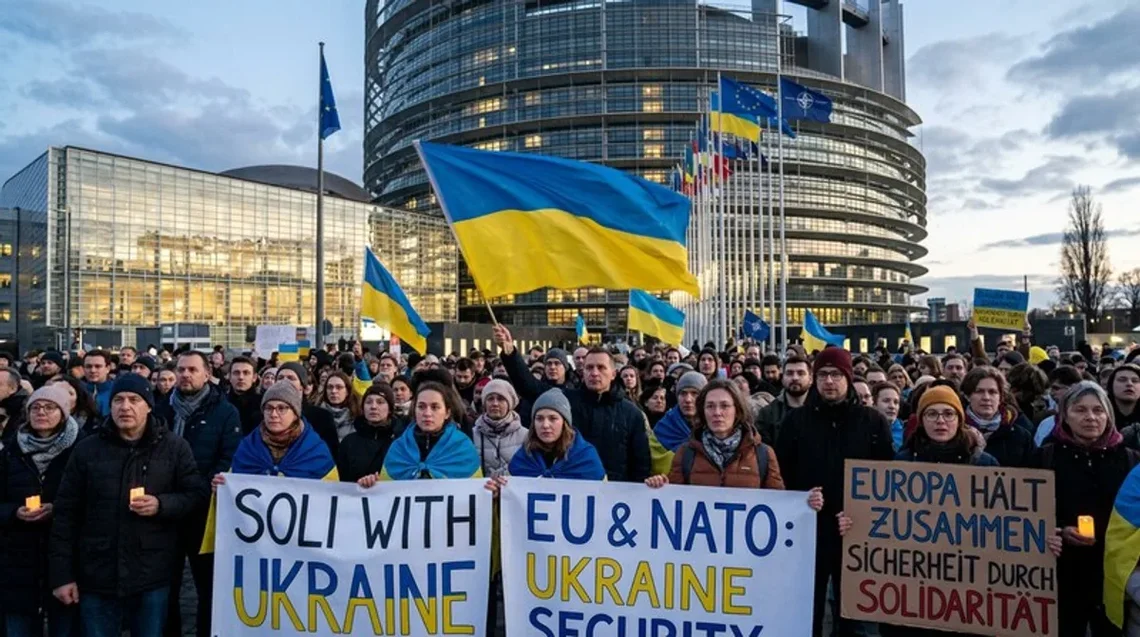
NATO defence ministers have approved a significant expansion of military deployments along the alliance's eastern flank, authorising additional battle groups, air defence assets, and pre-positioned equipment across Poland and the three Baltic states as the war in Ukraine grinds into a prolonged stalemate with no diplomatic resolution in sight. The decision, confirmed by alliance officials in Brussels, marks one of the most consequential structural shifts in NATO's posture since the Cold War.
Key Context: NATO's eastern flank stretches from Estonia in the north to Romania in the south — a arc of member states bordering or near Russian-controlled territory. Since Russia's full-scale invasion of Ukraine, the alliance has moved from a "tripwire" deterrence model to a forward defence doctrine, meaning troops are now positioned to hold territory rather than simply signal commitment. The alliance currently has over 40,000 troops under direct NATO command on its eastern perimeter, according to alliance figures. (Source: NATO)
The Scale of the New Deployments
According to briefings provided to journalists by senior NATO officials, the expanded deployments will involve rotating multinational battle groups being upgraded to brigade-level formations in Poland and Lithuania — a step that significantly increases combat mass and sustainment capacity. Additional Patriot air defence batteries and F-35 rotations are also being authorised under the package, officials said.
Poland, which shares a border with both the Russian exclave of Kaliningrad and NATO ally Lithuania via the Suwałki Gap — widely regarded by military planners as one of the alliance's most strategically vulnerable chokepoints — is set to receive the heaviest reinforcement. Warsaw has simultaneously committed to raising its defence spending to five percent of GDP, the highest target of any alliance member, according to reporting by Reuters.
Related Articles
Baltic Integration in Focus
Estonia, Latvia, and Lithuania have each formally requested permanent basing arrangements rather than rotational deployments, a distinction with significant legal and logistical implications. Permanent basing would require host-nation agreements and potentially trigger Russian diplomatic objections under the terms of the 1997 NATO-Russia Founding Act, a document Moscow has repeatedly cited while Western officials argue it was rendered moot by Russia's conduct in Ukraine. (Source: Foreign Policy)
The three Baltic governments have argued for years that rotational deployments, while symbolically important, create gaps in readiness and complicate command-and-control integration. NATO's Supreme Allied Commander Europe is expected to present a framework addressing these concerns at the alliance's next summit, officials said.
Ukraine Stalemate Reshapes Alliance Calculus
The timing of the expanded deployments is directly connected to the strategic ambiguity surrounding Ukraine's frontlines. After a series of Ukrainian counter-offensive operations that made limited territorial gains at significant cost, the war has settled into a attritional phase characterised by grinding artillery exchanges, drone warfare, and incremental positional shifts. Neither side has demonstrated the capacity to achieve a decisive operational breakthrough, according to assessments cited by AP.
For NATO planners, the stalemate presents a dual challenge: sustaining military and financial support to Kyiv while simultaneously ensuring the alliance's own territorial defence is not degraded by the diversion of assets. The approved eastern deployments are partly intended to resolve that tension by building organic alliance capacity rather than relying solely on member-state bilateral contributions to Ukraine.
For more on how the alliance has evolved its eastern posture over the past two years, see our earlier reporting on NATO bolsters eastern flank amid Russia concerns and the structural decisions outlined in coverage of how NATO prepares enhanced eastern flank amid Russia tensions.
Air Defence as the Critical Gap
Senior alliance officials and independent analysts have repeatedly identified air and missile defence as the most acute capability gap on NATO's eastern flank. The proliferation of Russian cruise missiles, hypersonic glide vehicles, and drone swarms demonstrated in the Ukraine theatre has exposed the limitations of legacy air defence architecture designed primarily for Cold War-era threats.
NATO's current approved package includes additional Patriot PAC-3 batteries, NASAMS deployments, and expanded integration of national systems — including German IRIS-T platforms — into a unified allied air picture. The urgency of this issue is reflected in Kyiv's own repeated requests, detailed in reporting on how Ukraine seeks new NATO air defence as Russia intensifies strikes. (Source: Reuters)
What This Means for the UK and Europe
For the United Kingdom, the expanded NATO deployments arrive at a moment of significant national defence debate. The British government has pledged to raise defence spending to 2.5 percent of GDP, with a longer-term aspiration toward three percent — commitments that defence analysts note will require sustained parliamentary budget allocations over multiple spending cycles. The UK currently leads the NATO Enhanced Forward Presence battle group in Estonia and has been among the alliance's most active contributors to Ukrainian military training through Operation Interflex, which has trained tens of thousands of Ukrainian soldiers on British soil, according to Ministry of Defence figures. (Source: AP)
Across continental Europe, the deployments are accelerating a broader recalibration of defence industrial policy. Germany has committed to its largest rearmament programme since reunification. France has pushed for greater European strategic autonomy within the NATO framework. Poland's rapid force expansion is reshaping the balance of conventional military power within the alliance itself, with Warsaw now possessing one of the largest standing armies in Europe by personnel numbers, according to data from the International Institute for Strategic Studies. (Source: Foreign Policy)
Economic and Diplomatic Dimensions
The financial burden of sustained eastern deployments is not trivial. Maintaining brigade-level formations in forward positions requires not only equipment and personnel but extensive logistics chains, host-nation infrastructure investment, and long-term maintenance contracts. Alliance finance officials estimate the collective additional cost of the approved package runs into the tens of billions of euros over a five-year horizon, officials said.
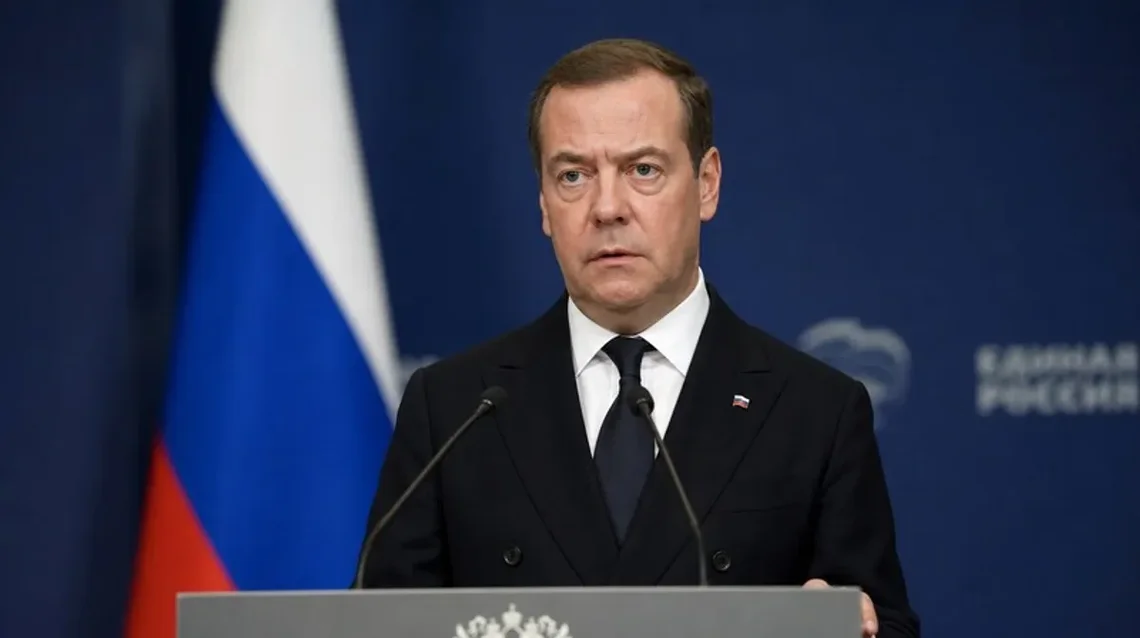
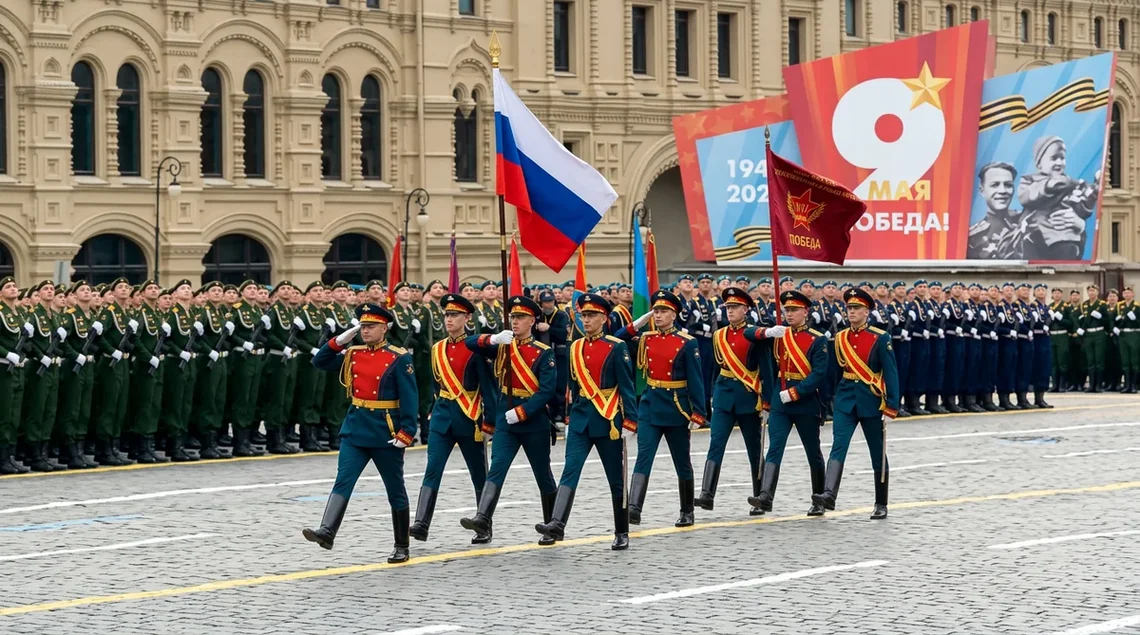
Diplomatically, the deployments are already drawing predictable condemnation from Moscow, which has characterised the moves as "escalatory" and "provocative" — language that Western officials and NATO's Secretary General have firmly rejected as inconsistent with the alliance's purely defensive mandate. Russia's posture has simultaneously involved the repositioning of forces in the Leningrad Military District and renewed exercises near the Finnish and Norwegian borders, according to assessments cited by Reuters.
The EU's parallel effort to tighten economic pressure on Moscow adds further context to the strategic picture. For detailed coverage of that track, see reporting on how EU tightens Russia sanctions over Ukraine stalemate.
| Country | Lead NATO Nation | Current Force Level | Approved Upgrade | Key Capability Addition |
|---|---|---|---|---|
| Estonia | United Kingdom | Battle Group (~1,500) | Brigade Framework | Air Defence Integration |
| Latvia | Canada | Battle Group (~1,800) | Brigade Framework | Armoured Vehicle Uplift |
| Lithuania | Germany | Battle Group (~1,600) | Brigade Framework | IRIS-T / Patriot Batteries |
| Poland | United States | Division-level elements | Permanent Corps HQ | Pre-positioned Heavy Equipment |
| Romania | France | Battle Group (~1,000) | Enhanced Battle Group | Black Sea Air Surveillance |
The Broader Strategic Context: Ukraine's Position
The alliance's eastern reinforcement cannot be cleanly separated from the question of Ukraine's eventual relationship with NATO. Kyiv has consistently framed its war effort as a contribution to collective European security, and Ukrainian officials have argued that Western security guarantees — whether formal NATO membership or binding bilateral agreements — are the only sustainable deterrent to future Russian aggression.
That debate remains unresolved. A number of alliance members, including the United States under its current administration, have expressed reluctance to extend a formal membership invitation while active hostilities continue, citing escalation risks. Others, particularly the Baltic states and Poland, have argued that delaying membership is itself a form of strategic ambiguity that benefits Moscow. (Source: Foreign Policy)
The alliance's communiqué language has consistently described Ukraine's path to NATO as "irreversible" while stopping short of a timetable — a formulation that satisfies no one entirely but reflects the genuine divisions within a 32-member consensus organisation. For an overview of how military support has been framed alongside that political commitment, see coverage of Ukraine pushes forward as NATO vows sustained support.
Looking Ahead: Sustainability and Political Risk
Military analysts and alliance officials have increasingly flagged the question of political sustainability as a key variable. Public support for defence spending has remained relatively robust in most eastern and northern European member states, but faces greater pressure in some western and southern members where fiscal constraints and competing domestic priorities complicate long-term budget commitments, according to polling data cited by the European Council on Foreign Relations. (Source: AP)
The United States remains the alliance's largest single contributor by a substantial margin, and any shift in American political will — whether through budget constraints, doctrinal reorientation, or shifts in the executive's foreign policy priorities — would place significant additional demands on European allies to compensate. European capitals are acutely aware of this dynamic, and the approved deployments are partly designed to demonstrate that European allies are capable of shouldering a greater share of the collective burden.
What is clear from the decisions approved in Brussels is that NATO has concluded it cannot afford to treat the war in Ukraine as a contained, temporary emergency. The structural changes now being locked into place — upgraded battle groups, pre-positioned equipment, expanded air defence, and a strengthened command architecture — reflect a strategic judgment that the alliance's eastern perimeter requires durable reinforcement regardless of how the conflict in Ukraine ultimately resolves. Whether those reinforcements prove sufficient, and whether the political cohesion required to sustain them holds across multiple election cycles in multiple countries, are questions that will define European security for years to come.