Starmer pledges NHS reform as waiting lists persist
Labour government faces pressure on healthcare funding
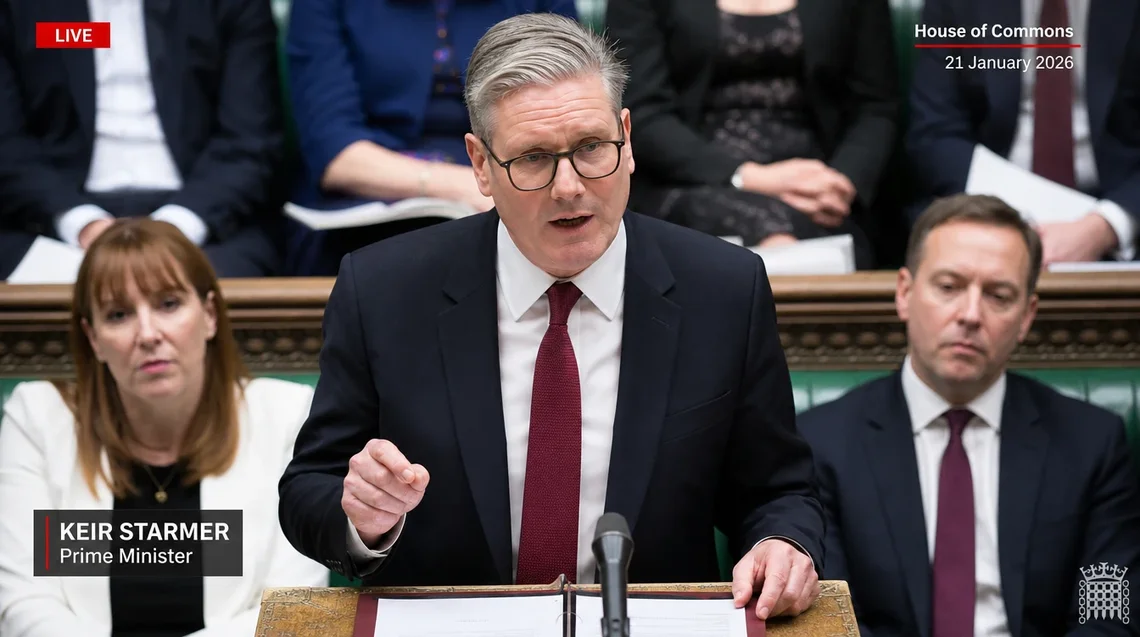
Prime Minister Keir Starmer has committed to a sweeping overhaul of the National Health Service as official figures show NHS waiting lists in England remain at historically elevated levels, with more than seven million people currently awaiting treatment. The pledge comes as the Labour government faces mounting pressure from opposition parties, health campaigners, and its own backbenchers to accelerate reform and increase frontline funding beyond commitments already made.
Speaking at a Downing Street press briefing, Starmer described the state of NHS waiting lists as "unacceptable" and reaffirmed Labour's central campaign promise to halve waiting times within the parliamentary term. Health Secretary Wes Streeting has simultaneously faced scrutiny over the pace of reform, with critics questioning whether structural changes to NHS England — including proposals to reduce management layers and shift resources toward primary care — will deliver tangible improvements for patients in the near term (Source: BBC).
Party Positions: Labour backs significant structural NHS reform, increased capital investment, and a shift toward neighbourhood health services and preventative care, while resisting calls from some quarters for further immediate tax rises earmarked for health. Conservatives argue Labour has inherited a credible NHS recovery plan and accuse the government of overstating the crisis to justify tax increases, while calling for greater private sector involvement in clearing backlogs. Lib Dems have demanded a fully costed emergency rescue package for the NHS, including specific commitments on mental health waiting times and rural healthcare access, warning that current pledges fall short of what patients need.
The Scale of the Crisis
The figures underpinning the political pressure are stark. NHS England's own performance data, published regularly and cited across Whitehall briefings, show that tens of millions of patient appointments are being handled each year, yet the headline waiting list figure has remained stubbornly above seven million for an extended period. Analysts at the King's Fund and the Nuffield Trust have noted that demographic pressures — including an ageing population and rising rates of complex, multi-system illness — mean demand is structurally increasing even as health services attempt to clear the backlog accumulated during and after the pandemic disruption.
Related Articles
Elective Care Backlogs
Elective care — covering planned operations and specialist consultations rather than emergency treatment — represents the largest single component of the waiting list. According to NHS England data, orthopaedic procedures, ophthalmology, and gastroenterology consistently account for the highest volumes of patients waiting beyond the 18-week constitutional standard. Independent health economists have warned that without a sustained increase in surgical capacity, the 18-week standard cannot realistically be restored within the current parliament (Source: Guardian).
Mental Health Waiting Times
Separate from the headline elective figure, mental health waiting times have attracted particular concern among MPs and advocacy groups. Data published by NHS England show that hundreds of thousands of people are currently waiting for talking therapies or community mental health support. The Liberal Democrats have specifically highlighted child and adolescent mental health services, where waiting lists in some areas have grown to more than two years, as a priority requiring emergency investment independent of broader NHS restructuring plans.
Starmer's Reform Agenda
The government's approach to NHS reform is broadly set out in Lord Ara Darzi's independent review of the health service, which was commissioned shortly after Labour took office and delivered findings that identified systemic inefficiencies, workforce shortfalls, and an over-reliance on acute hospital settings. Ministers have broadly accepted the review's framework, with Streeting citing the Darzi report repeatedly as the intellectual foundation for the government's ten-year NHS plan, currently under development.
Neighbourhood Health Centres
One of the most concrete structural commitments involves shifting a significant proportion of care out of hospitals and into community settings. The government has outlined plans for neighbourhood health centres — described by ministers as a modern replacement for the traditional GP surgery model — which would co-locate GPs, district nurses, physiotherapists, mental health workers, and social care staff. Officials said the model is intended to reduce unnecessary emergency admissions and relieve pressure on hospital beds, though no binding timetable for national rollout has yet been published.
Workforce and Pay
The NHS workforce remains a central pressure point. Following the wave of industrial action by junior doctors and other health workers that defined the final years of the previous administration, the government agreed a pay settlement for medical staff early in its tenure. While that settlement was broadly welcomed by trade unions, NHS employers and independent analysts have noted that underlying workforce shortages — including in nursing, radiology, and general practice — cannot be resolved through pay alone and require sustained investment in training pipelines over a multi-year period (Source: Office for National Statistics).
Funding Pressures and the Treasury
The funding debate sits at the heart of Westminster's current health policy argument. The autumn Budget committed additional resource to the NHS, with the Chancellor allocating several billion pounds in additional current spending. However, health think tanks including the Health Foundation and the Institute for Fiscal Studies have argued that the settlements, while significant, do not fully close the gap between NHS funding growth and rising demand when workforce costs, capital requirements, and social care pressures are factored in together (Source: Guardian).
Capital Investment Shortfall
A persistent theme in expert analysis is the inadequacy of NHS capital funding relative to current spending. Decades of prioritising day-to-day operational budgets over buildings, equipment, and technology have left large parts of the NHS estate in poor repair, with outdated diagnostic equipment, crumbling estate infrastructure, and a chronic backlog of maintenance works. Officials within NHS England have previously indicated that the maintenance backlog runs to many billions of pounds, a figure that independent property and infrastructure assessors have broadly corroborated (Source: BBC).
Political Opposition and Parliamentary Scrutiny
The Conservatives, now in opposition under Kemi Badenoch, have sought to reframe the debate by arguing that Labour's own fiscal decisions — including the decision to means-test the winter fuel payment — have undermined the government's credibility on healthcare for older patients. Shadow Health Secretary Edward Argar has argued in the Commons that Labour's approach risks compounding inequality in health outcomes by making structural changes before adequate investment has reached the frontline.
Parliamentary scrutiny has intensified through the Health and Social Care Select Committee, which has called senior NHS officials and Department of Health civil servants to give evidence on waiting list trajectories. Committee members from both sides of the House have pressed witnesses on whether current projections support the government's stated ambition to halve waiting times, with responses from officials described by committee members as guarded (Source: BBC).
| Indicator | Current Position | Government Target | Source |
|---|---|---|---|
| Total NHS waiting list (England) | Approximately 7.4 million pathways | Halve within parliamentary term | NHS England |
| Patients waiting over 18 weeks | Around 40% of total list | Restore 18-week standard | NHS England |
| Public satisfaction with NHS (net) | Lowest recorded level in survey history | No specific numerical target published | British Social Attitudes / NatCen |
| Labour approval on NHS handling | Net negative in recent polling | — | YouGov / Ipsos |
| NHS staff vacancy rate | Approximately 8–9% of posts unfilled | Reduce through NHS Long-Term Workforce Plan | NHS England / Office for National Statistics |
Public Opinion and Electoral Stakes
Polling conducted by YouGov and Ipsos consistently places the NHS among the top two or three issues of concern for British voters, and both organisations have tracked a deterioration in public satisfaction with the health service over recent years, with the British Social Attitudes survey recording its lowest-ever satisfaction score in its most recent edition (Source: YouGov; Ipsos). For Labour, which campaigned heavily on NHS restoration as a core electoral offer, the persistence of waiting lists and the absence of visible improvement in day-to-day patient experience represent a significant political vulnerability heading into the middle years of this parliament.
Voter Trust on Health
Polling analysis published by the Guardian and cited by academic researchers at the UK in a Changing Europe think tank suggests that while voters broadly trust Labour more than the Conservatives on NHS intention, trust in the party's competence to deliver measurable outcomes has declined since the general election. Officials within Labour's communications operation have privately acknowledged, according to sources cited in national media reporting, that the gap between promise and perceptible patient experience is the central reputational challenge the government must address on health (Source: Guardian).
Related Coverage and Analysis
ZenNewsUK has followed the evolution of the government's NHS position across multiple parliamentary sessions. Earlier reporting examined the initial reform blueprint and its reception among health professionals: see Starmer pledges NHS overhaul as waiting lists persist for the foundational policy context. As waiting list data was updated and pressure from opposition parties intensified, further analysis was published tracking the political consequences: Starmer pledges NHS overhaul as waiting lists grow charts how Labour's messaging evolved in response to the figures. For context on the most acute phase of the crisis, Starmer Pledges NHS Overhaul as Waiting Lists Surge provides detailed breakdown of the peak pressure period. Readers seeking analysis of the funding dispute that has run alongside the structural reform debate should consult Starmer pledges major NHS overhaul amid funding row, which examines Treasury negotiations and their health service implications in detail.
Outlook
The government's ten-year NHS plan, expected to be published in full in the coming months, will represent the most significant test of whether Starmer's reform rhetoric can be translated into a credible, costed operational blueprint. Ministers have indicated the plan will set out specific milestones, accountability mechanisms, and investment trajectories, though the detail required to satisfy health economists, opposition critics, and — most pressingly — patients will be considerable. For a parliament elected on an explicit promise to fix the NHS, the political cost of failing to show measurable progress before the next electoral cycle could prove substantial. Independent analysts, trade unions, and patient groups across the health advocacy sector have signalled that warm words will no longer suffice: concrete performance data, they argue, must begin to move in a demonstrably positive direction within the next twelve to eighteen months if the government's core health pledge is to retain credibility with the public it was made to serve.