Starmer pledges NHS overhaul as waiting lists hit record
Labour government unveils £15bn reform package
Prime Minister Keir Starmer has announced a £15 billion overhaul of the National Health Service, the most significant restructuring of Britain's state health system in a generation, as official figures show NHS waiting lists in England have reached a record high of more than 7.6 million cases. The government described the package as an emergency response to a crisis inherited from the previous Conservative administration, with ministers pledging to cut waiting times to 18 weeks for the majority of patients within the current parliamentary term.
Party Positions: Labour backs the £15bn reform package, arguing that systemic investment and structural change are the only routes to reducing waiting lists and modernising the NHS workforce. Conservatives reject the scale of the spending commitment, accusing the government of financial recklessness and arguing that management reform rather than new money is the primary lever needed. Lib Dems broadly support increased NHS investment but have called for a greater focus on mental health services and primary care, warning that hospital-centric reforms risk neglecting community health infrastructure.
The Scale of the Crisis
Data published by NHS England show the waiting list — formally recorded as the Referral to Treatment pathway — has grown substantially over recent years, with millions of patients awaiting consultant-led care. The Office for National Statistics has separately documented the strain on health-related economic inactivity, noting that long-term sickness now represents the single largest category of working-age people outside the labour market in England and Wales (Source: Office for National Statistics).
Who Is Waiting Longest
According to NHS England figures cited by officials, patients awaiting orthopaedic procedures, ophthalmology treatment, and gynaecological care represent the three largest cohorts within the total waiting list. Those waiting beyond 52 weeks — classified as "long waiters" under NHS definitions — still number in the hundreds of thousands, despite a series of targeted elective recovery programmes launched under the previous government.
Related Articles
The Guardian has reported that the geographic distribution of waiting times is sharply unequal, with integrated care systems in the North East and parts of the Midlands recording some of the longest median waits. Officials at the Department of Health and Social Care acknowledge that variation in local health system performance is a core structural problem the reform package is designed to address.
What the £15 Billion Package Contains
The government outlined a multi-year spending commitment broken into three broad funding streams: capital investment in NHS infrastructure, a workforce expansion fund targeting nursing and GP recruitment, and a digital transformation programme intended to modernise administrative and clinical systems across the health service.
Capital and Infrastructure
Approximately £6 billion of the total package is allocated to capital expenditure, according to Treasury documents released alongside the announcement. This includes new surgical hubs — standalone facilities dedicated exclusively to elective procedures — which ministers argue will insulate routine operations from the seasonal emergency pressures that routinely destabilise mainstream hospital capacity. Officials said the first tranche of surgical hubs has already been commissioned, with further sites to be announced on a rolling basis subject to planning approvals.
Workforce and Recruitment
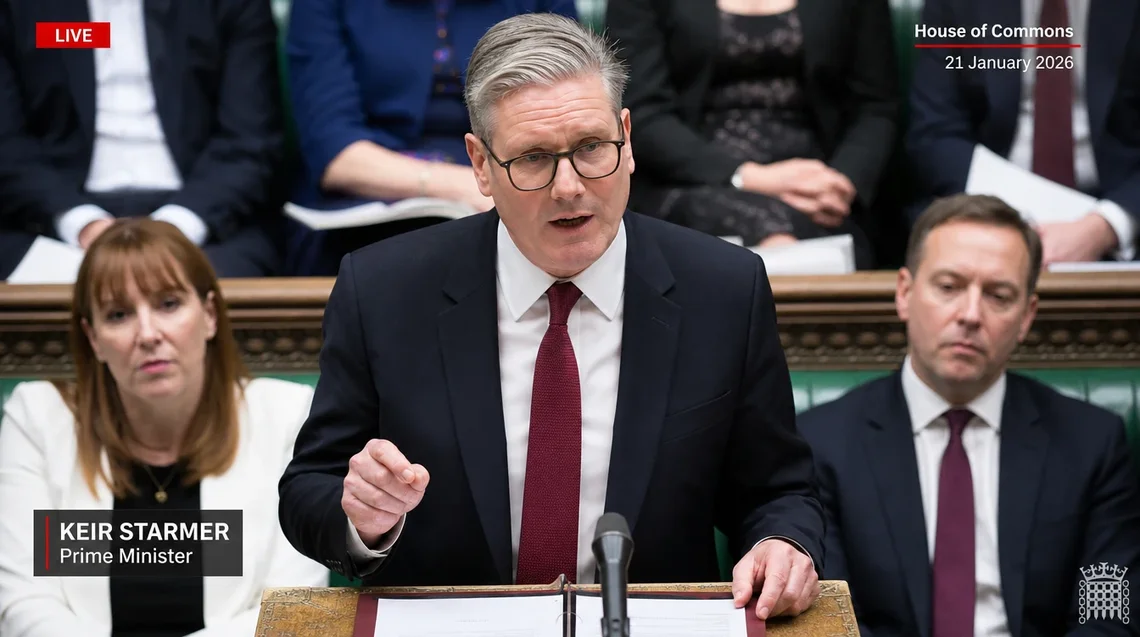
A £4.5 billion workforce fund is intended to finance the recruitment of an additional 8,500 mental health staff, expand medical school places, and increase the number of district nurses over the course of the parliament. Health Secretary Wes Streeting, speaking at the Despatch Box, emphasised that no structural reform would succeed without a commensurate investment in the people delivering care, according to parliamentary reporting by the BBC (Source: BBC).
The remaining funds are divided between digital infrastructure, including an overhaul of the NHS App and the replacement of legacy IT systems in acute trusts, and a dedicated productivity and efficiency programme, the details of which are to be set out in a forthcoming NHS England operational plan.
Political Reaction at Westminster
The announcement has sharpened the dividing lines between the main parties ahead of what many at Westminster expect to be an extended period of intense scrutiny over public spending. For readers following the trajectory of this government's health agenda, earlier reporting has tracked the evolution of these proposals: see Starmer pledges NHS overhaul as waiting lists grow and the subsequent analysis in Starmer Pledges NHS Overhaul as Waiting Lists Surge.
Conservative Response
Shadow Health Secretary Edward Argar accused the government of prioritising headline figures over structural accountability, arguing in the Commons chamber that previous Conservative-era spending on elective recovery had been mischaracterised by Labour. The official opposition has tabled a series of written questions demanding the Office for Budget Responsibility provide an independent assessment of the spending projections underpinning the £15 billion figure, a request the government has not formally agreed to as of publication.
Liberal Democrat Position
The Liberal Democrats, whose recent parliamentary gains in suburban and rural constituencies have given the party heightened influence in areas with acute GP shortages, broadly welcomed the quantum of investment while pressing ministers on the absence of ring-fenced mental health funding within the primary care allocation. The party's health spokesperson called for a statutory mental health commissioner with independent powers — a proposal the government has not endorsed.
Public Opinion and Polling Data
Polling data indicate that NHS performance remains the single most important issue for voters in England, with the health service consistently ranked above the cost of living, immigration, and economic management when respondents are asked to identify government priorities. YouGov survey data show that public satisfaction with the NHS has fallen to its lowest recorded level since the organisation began tracking the metric, with satisfaction currently running below 25 percent among adults in Great Britain (Source: YouGov).
| Indicator | Current Figure | Source |
|---|---|---|
| Total NHS England waiting list | 7.6 million cases | NHS England |
| Patients waiting over 52 weeks | Approx. 300,000+ | NHS England |
| Public satisfaction with NHS (GB adults) | Below 25% | YouGov |
| Voters ranking NHS as top priority | ~54% | Ipsos |
| Government reform package total | £15 billion | HM Treasury |
| Capital investment allocation | £6 billion | DHSC |
| Workforce fund allocation | £4.5 billion | DHSC |
| Additional mental health staff targeted | 8,500 | DHSC |
An Ipsos survey conducted for the Health Foundation found that approximately 54 percent of respondents identified NHS waiting times as a government priority that should take precedence over other public spending commitments, a figure that has remained broadly stable over successive quarters (Source: Ipsos).
Structural Reform and the Darzi Review
The government's reform blueprint draws heavily on the independent review conducted by Lord Ara Darzi, published earlier in the parliamentary session, which concluded that the NHS suffered from a fundamental misallocation of resource toward acute hospital care at the expense of community and preventative services. Ministers have endorsed the review's central diagnosis, framing the £15 billion package as the first phase of a longer-term shift in how care is organised and delivered across England.
Shifting Care from Hospital to Community
Officials said the government intends to establish neighbourhood health centres in every integrated care system area in England, co-locating GP, mental health, physiotherapy, and social care services in single community settings. This model, described by ministers as a "neighbourhood health service" layer beneath the existing acute infrastructure, is intended to reduce avoidable hospital admissions and ease pressure on emergency departments, which have recorded some of their worst performance figures against the four-hour standard in recent years.
The Darzi review found that England spends a disproportionately low share of its health budget on primary and community care compared with comparable health systems in France, Germany, and the Netherlands — a structural imbalance the government argues has compounded over successive decades of policy drift under administrations of both parties. Ongoing coverage of that structural debate can be found in earlier reporting: Starmer pledges NHS overhaul as waiting lists persist and the detailed policy background covered in Starmer pledges NHS reform as waiting lists persist.
Implementation Timeline and Accountability
Ministers have committed to a series of statutory performance milestones to be reported to Parliament on a quarterly basis, with NHS England required to publish progress against the 18-week referral-to-treatment target in a publicly accessible dashboard format. Officials said the first comprehensive review of the reform programme's impact is expected within eighteen months of Royal Assent of the forthcoming NHS Reform Bill, the legislative vehicle through which several of the structural changes will be enacted.
Independent Oversight Mechanism
In response to cross-party pressure, the government has indicated it will establish an independent NHS reform oversight board, comprising clinical leaders, patient representatives, and economists, tasked with providing annual public assessments of whether the spending is translating into measurable improvements for patients. The precise composition and statutory basis of that body remains subject to consultation, according to officials at the Department of Health and Social Care.
The Guardian has reported that senior NHS England executives privately welcome the scale of the financial commitment while expressing concern about the pace at which implementation targets have been set, fearing that unrealistic timetables could undermine public confidence in the reform programme if early milestones are missed (Source: Guardian). The government has not publicly responded to those characterisations.
The announcement places NHS reform at the centre of Starmer's domestic political identity as the government approaches the halfway point of its first parliamentary term. Whether the £15 billion package translates into the waiting time reductions ministers have promised will, in the judgment of most Westminster analysts, become the defining domestic test of Labour's claim to competent government. Further analysis of how these pledges have developed since the election can be found in the coverage of Starmer signals NHS overhaul as waiting lists hit record.