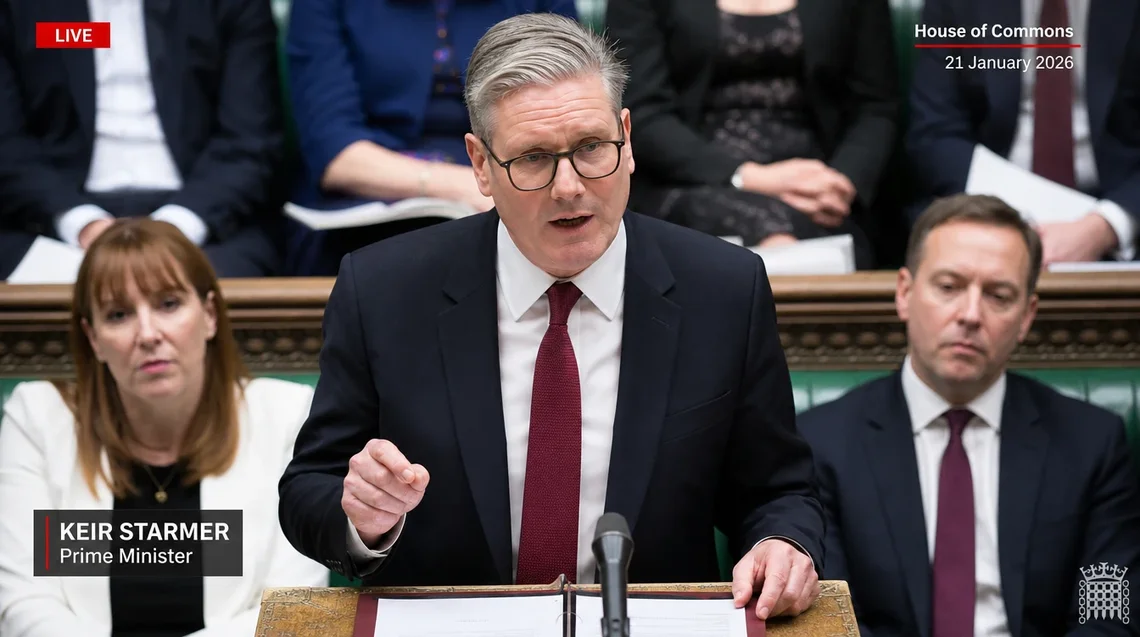
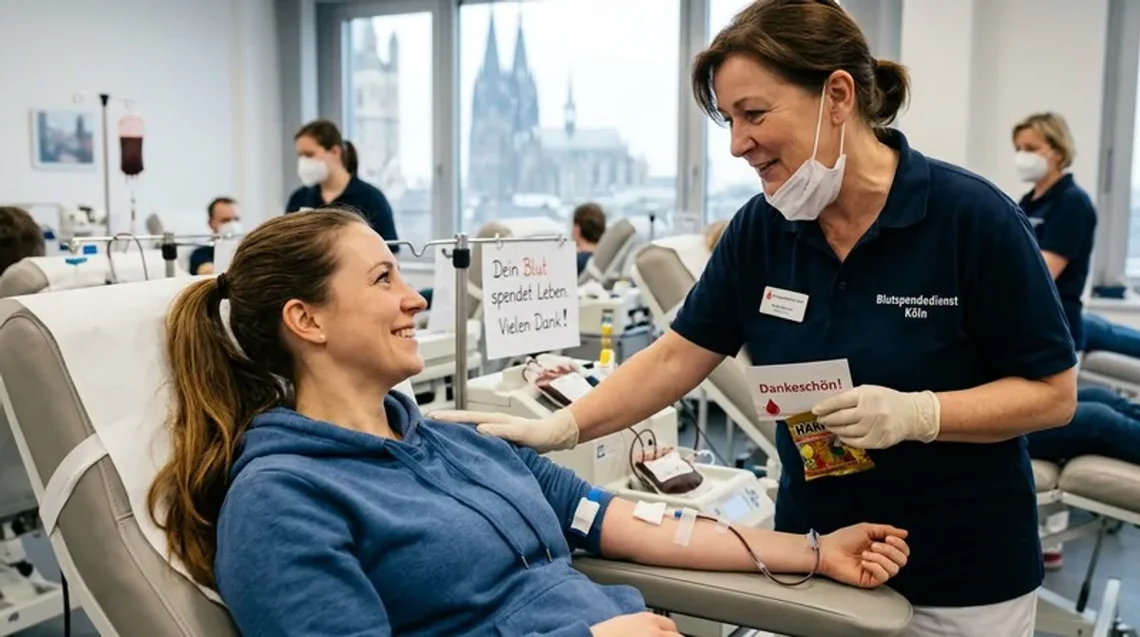
Starmer's NHS overhaul faces fresh opposition from unions
Labour pushes ahead with reform plan despite staff walkout threats

Sir Keir Starmer's programme to fundamentally restructure the National Health Service is facing its most significant organised challenge yet, with major trade unions threatening industrial action as the government presses ahead with reforms affecting hundreds of thousands of frontline workers. The standoff marks a deepening fracture between the Labour administration and some of its most historically loyal institutional allies, raising questions about the political sustainability of the overhaul as waiting lists remain stubbornly high.
Party Positions: Labour insists the NHS reform programme is essential to reduce waiting times and modernise service delivery, framing resistance as protecting the status quo at patients' expense. Conservatives argue the government is creating unnecessary industrial disruption without a credible funding plan, and have called for a full parliamentary review of the restructuring proposals. Lib Dems support reform in principle but are demanding stronger workforce consultation guarantees and have tabled amendments seeking independent oversight of implementation.
The Scale of Union Opposition
Several of the largest health sector unions, including representatives of nursing staff, hospital porters, and administrative workers, have formally balloted members or signalled their intent to do so after government negotiators failed to secure agreement on key elements of the reform package during talks last month. Union officials said the proposals, as currently drafted, threaten thousands of existing roles through service integration and the shifting of care provision away from traditional hospital settings.
Unison and NHS Workers
Unison, which represents the largest single bloc of NHS employees, told its members in internal communications reviewed by political correspondents that the government had not adequately consulted the workforce before publishing detailed structural changes. Officials said the union's health committee had voted unanimously to escalate its response if the Department of Health and Social Care did not return to the negotiating table with a revised timetable. A formal strike ballot, according to union sources, could be launched within weeks if no concessions are forthcoming.
Related Articles
Royal College of Nursing Position
The Royal College of Nursing has stopped short of threatening immediate industrial action but has described the reform roadmap as "structurally flawed" in its current form, according to a statement issued by its council. RCN officials said the government's plan to consolidate certain specialist services into fewer, larger hubs risks compromising patient safety during the transition period and does not adequately address chronic understaffing in the units earmarked for expansion.
What the Government Is Proposing
The Starmer administration's NHS overhaul, first outlined in a Starmer pledges NHS overhaul as waiting lists grow announcement earlier this parliament, centres on integrating primary and secondary care pathways, digitising patient records across all NHS trusts, and shifting a significant proportion of routine care into community settings to relieve pressure on hospital emergency departments. The plan also envisages a reduction in the number of NHS England regional offices and a consolidation of procurement functions.
Workforce Implications
Officials at the Department of Health and Social Care said no compulsory redundancies are planned as part of the restructuring. However, union officials and independent analysts argue that voluntary redundancy schemes and the non-replacement of departing staff in certain administrative grades would have an equivalent effect on overall headcount over a three-to-five year horizon. According to figures cited by the Health Foundation, NHS England currently employs approximately 1.5 million people, making it one of the largest single employers in the world. Any material reduction in workforce numbers would require statutory consultation under employment law, officials confirmed.
Political Pressure at Westminster
The union backlash coincides with growing unease on the Labour backbenches, a dynamic explored in detail in reporting on Starmer's NHS overhaul faces growing backbench revolt. A number of Labour MPs representing constituencies with large NHS workforces have written privately to the Health Secretary warning that they cannot support elements of the reform package at Third Reading without assurances on job protection. At least two of those MPs have indicated to colleagues they would consider voting with opposition amendments, according to parliamentary sources.
Opposition Tactics
The Conservatives have tabled a series of procedural motions designed to slow the legislative timetable and force additional scrutiny in committee. Shadow Health Secretary Edward Argar told the Commons during health questions that the government was "repeating the structural reorganisation mistakes of the past" without learning from the disruption caused by previous NHS restructurings. The Liberal Democrats, meanwhile, have sought to position themselves as the constructive opposition voice, backing the principle of reform while demanding specific amendments on workforce consultation and integrated care board accountability.
Polling and Public Opinion
Public support for NHS reform in the abstract remains high, but polling data indicate that confidence in the government's specific approach is more fragile. According to YouGov research conducted recently, 61 percent of respondents said they supported "significant reform" of the NHS to reduce waiting times, while only 34 percent said they trusted the current government to carry out that reform effectively. A separate Ipsos survey found that 54 percent of adults were concerned that structural reorganisation would cause short-term disruption to patient care.
| Metric | Figure | Source |
|---|---|---|
| Support for "significant NHS reform" (general) | 61% | YouGov |
| Trust government to deliver reform effectively | 34% | YouGov |
| Concerned reform will disrupt patient care | 54% | Ipsos |
| NHS England total workforce (approximate) | 1.5 million | Health Foundation / ONS |
| NHS waiting list (patients, approximate) | 7.5 million | Office for National Statistics |
| Labour MPs reported to have raised backbench concerns | 30+ | Parliamentary sources |
(Source: YouGov, Ipsos, Office for National Statistics, Health Foundation)
Waiting Times: The Central Argument for Reform
The government's core political justification for pressing ahead despite union opposition rests on the waiting list crisis. Office for National Statistics data show that approximately 7.5 million people are currently on NHS waiting lists in England, a figure that has proven politically toxic for successive administrations and that the BBC has reported extensively as a defining public concern. Officials said the status quo is not a viable option and that delay in structural reform would entrench rather than resolve the backlog problem.
Community Care Proposals Under Scrutiny
A significant element of the reform package involves redirecting resources toward community diagnostic centres and GP-led care hubs, a model the government argues has already demonstrated results in pilot areas. However, critics, including NHS trust chief executives who spoke to the Guardian on background, say the capital investment required to build out community infrastructure is not fully funded in the current spending settlement, creating a risk that services are reorganised before the alternative provision is ready to absorb demand. The funding gap, according to analysis by the King's Fund cited by several parliamentarians, could run to several billion pounds over the reform implementation period.
The debate over funding has been a persistent undercurrent throughout this parliament, as detailed in earlier ZenNewsUK coverage of Starmer pledges major NHS overhaul amid funding row, and ministers have so far declined to publish a full spending breakdown for the transition phase, a decision that has frustrated both backbench MPs and independent health economists.
What Happens Next
The Health and Care Reform Bill is expected to return to the Commons for Report Stage within the coming weeks, at which point the government will face a series of votes on opposition and backbench amendments. Officials said the Health Secretary remains committed to the current timetable and believes an agreement with the unions can still be reached through ongoing dialogue. Union leaders, however, have publicly set a deadline for substantive government concessions before they will call off ballot preparations.
Further analysis of how parliamentary pressure is shaping the reform timetable is available in ZenNewsUK's reporting on Starmer's NHS Overhaul Faces New Pressure on Waiting Times and the earlier account of Starmer's NHS Overhaul Faces Backbench Revolt, which documented the first signs of coordinated parliamentary resistance to the government's health agenda.
The coming weeks will test whether the government has sufficient Commons support to pass its reform legislation intact, or whether a combination of union pressure, backbench anxiety and a well-organised opposition will force substantive concessions that alter the character of what Starmer has described as a once-in-a-generation opportunity to fix the NHS. For a prime minister who came to office promising to make the health service his defining domestic legacy, the cost of failure — or even visible retreat — carries considerable political weight.