UN Security Council deadlocked over Gaza aid extension
Russia blocks resolution as humanitarian crisis deepens
The United Nations Security Council has failed to pass a resolution extending humanitarian aid access to Gaza after Russia exercised its veto power, leaving millions of Palestinian civilians without the guarantee of continued relief operations as the conflict between Israel and Hamas grinds into yet another devastating chapter. The deadlock — the latest in a series of paralysing disputes at the world's foremost diplomatic body — signals a deepening fracture among permanent members that threatens to render the Council functionally irrelevant on one of the most urgent humanitarian emergencies of the current era.
Key Context: The UN Security Council has fifteen members, of which five hold permanent status — the United States, United Kingdom, France, China, and Russia — each possessing veto power capable of blocking any substantive resolution. Since the outbreak of the current Gaza conflict, the Council has attempted multiple resolutions addressing humanitarian access, ceasefires, and civilian protection, with vetoes repeatedly preventing binding international action. According to UN Office for the Coordination of Humanitarian Affairs (OCHA) reports, more than two million people in Gaza currently face acute food insecurity, and humanitarian corridors remain intermittently blocked or functionally inaccessible. (Source: UN OCHA)
Russia's Veto and the Council's Paralysis
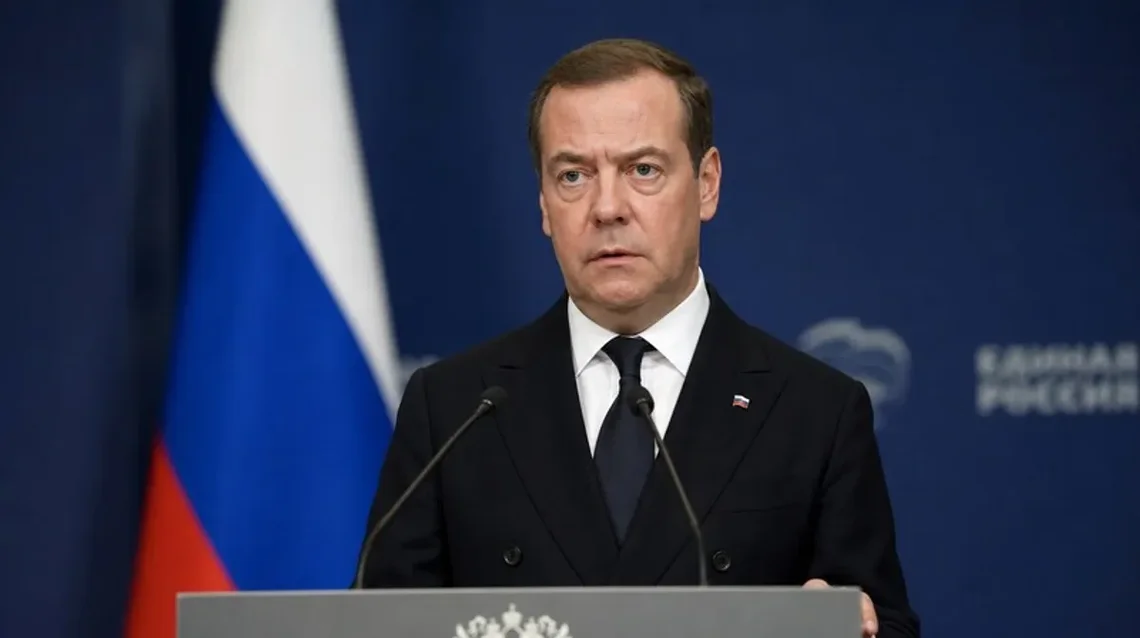
Russia cast its veto against a draft resolution that would have extended the mandate for cross-border humanitarian aid delivery into Gaza, arguing that the text was politically imbalanced and failed to call explicitly for a permanent ceasefire. Chinese representatives abstained rather than veto, though Beijing's representative voiced substantial reservations about the draft's language, according to diplomatic correspondents covering the session. The vote effectively killed the measure, leaving existing aid frameworks without a renewed legal mandate under Security Council authority.
The Draft Resolution's Key Provisions
The failed resolution, co-sponsored by the United Kingdom, France, and several elected Council members, sought to extend humanitarian operations for an additional 180 days and to establish clearer obligations on all parties to facilitate safe passage for aid convoys. It included language calling on parties to comply with international humanitarian law, though it stopped short of demanding a full cessation of hostilities — a sticking point Moscow has repeatedly used to justify its opposition to Western-drafted texts. According to Reuters, negotiations over the draft had been ongoing for more than two weeks before the vote was called.
Related Articles
Russia's Stated Rationale
Russia's UN ambassador argued in Council chambers that the draft represented a "selective and hypocritical" approach to humanitarian law that ignored what Moscow characterised as broader Israeli violations, while providing cover for Western governments to continue arms transfers to Tel Aviv. This argument echoes the pattern of obstruction seen in UN Security Council deadlocked on Ukraine aid resolution, where Moscow deployed comparable procedural and rhetorical frameworks to block Council action on humanitarian corridors it found strategically disadvantageous. The parallel is not lost on diplomats, who increasingly view Russian veto strategy as a deliberate tool of geopolitical leverage rather than principled legal objection.
The Humanitarian Situation on the Ground
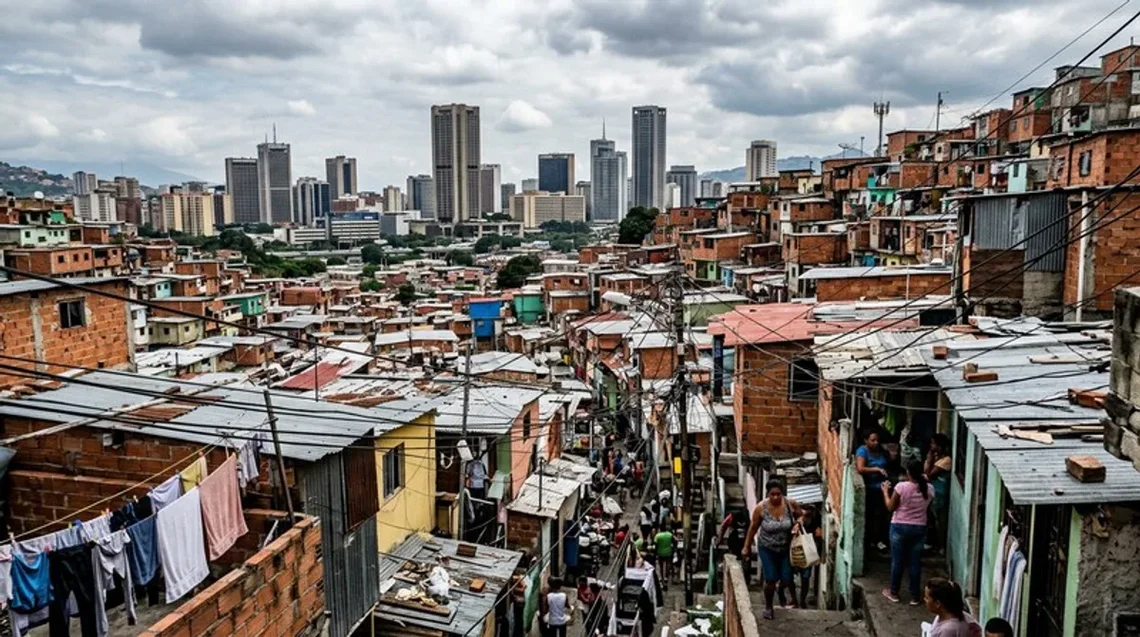
Behind the procedural warfare at Turtle Bay lies a catastrophe of enormous scale. According to UN reports and field assessments from the World Food Programme, conditions in northern Gaza in particular have deteriorated to levels that senior aid officials have described in terms that invoke the legal threshold of famine. Supply chains for medicine, clean water, and food have been systematically disrupted, and the capacity of local health infrastructure has been overwhelmed. (Source: World Food Programme)
Aid Access Restrictions
Humanitarian organisations operating inside Gaza have reported that even when aid convoys are dispatched, access is frequently denied, delayed, or rerouted by Israeli military authorities managing ground-level access. The UN's humanitarian coordination office has documented hundreds of such incidents in recent months. Aid agencies including Médecins Sans Frontières and UNRWA have repeatedly flagged the systematic nature of these restrictions, which they argue constitute a violation of international humanitarian law regardless of the political context. According to AP, several aid trucks were turned back at crossing points in circumstances that could not be attributed to active security threats, indicating administrative rather than operational constraints. (Source: Associated Press)
The failure to secure a Security Council mandate renewal compounds these on-the-ground difficulties. Without a binding resolution, the legal and political pressure on all parties to facilitate access is materially diminished. Aid organisations rely on Council mandates not merely as symbolic gestures but as negotiating instruments when engaging with national authorities controlling access points.
| Resolution Attempt | Outcome | Vetoed By | Key Provision |
|---|---|---|---|
| Humanitarian Aid Corridor (early phase) | Vetoed | United States | Immediate ceasefire demand |
| Civilian Protection Framework | Vetoed | United States | Binding civilian protection obligations |
| Aid Access Renewal (interim) | Passed (limited) | N/A | 60-day humanitarian access mandate |
| Extended Aid Mandate (current) | Vetoed | Russia | 180-day aid extension, IHL compliance language |
| Ceasefire Resolution (recent) | Passed (non-binding) | N/A (procedural route) | Humanitarian ceasefire call |
Geopolitical Fault Lines Exposed
The veto underscores a deeper dysfunction within the Security Council that extends well beyond Gaza. The same structural paralysis has been evident in the Council's handling of the war in Ukraine, where competing vetoes and diplomatic positioning have similarly neutered the body's capacity to enforce international norms. Analysts covering UN Security Council deadlocked on Ukraine aid corridor negotiations have drawn consistent comparisons to the Gaza impasse, noting that Russia has developed a sophisticated playbook for leveraging humanitarian resolutions as diplomatic bargaining chips rather than engaging with them on purely humanitarian terms.
The Shifting US Position
Washington's posture at the Council has evolved considerably over the course of the conflict. Early in the crisis, the United States deployed its own veto repeatedly to shield Israel from binding resolutions. More recently, US representatives have allowed certain resolutions to pass or abstained rather than veto, reflecting domestic political pressure and concern among senior State Department officials about America's credibility as a proponent of rules-based international order. According to Foreign Policy, this shift has created a more complex diplomatic environment in which Russia has sought to fill the obstruction vacuum that American vetoes previously occupied. (Source: Foreign Policy)
This evolving dynamic also has implications for previous Council deadlocks. Coverage of the UN Security Council deadlocked on Gaza aid access episode earlier in the conflict catalogued how the burden of obstruction has migrated between permanent members as political calculations shifted in Washington and Moscow respectively.
What This Means for the UK and Europe
For the United Kingdom and its European partners, the failed resolution presents both an immediate diplomatic embarrassment and a longer-term strategic dilemma. Britain co-sponsored the failed draft alongside France, investing political capital in a text that ultimately fell to a Russian veto. The episode weakens London's ability to claim a meaningful multilateral role in resolving the Gaza crisis and raises uncomfortable questions about the utility of Security Council engagement as a diplomatic strategy.
European governments face compounding pressures. Public opinion across much of the continent has hardened against Israeli military operations, and governments in Paris, Brussels, and Berlin have faced significant domestic political pressure to take firmer stances on civilian protection in Gaza. The Council's failure to act hands a rhetorical advantage to those who argue that Western governments lack the will — as opposed to merely the mechanism — to enforce international humanitarian law consistently.
For the UK specifically, Foreign Office officials must now navigate a difficult path between maintaining the transatlantic alliance with Washington, preserving working relationships with Gulf states whose cooperation on regional security is strategically vital, and responding to domestic and parliamentary pressure to do more on humanitarian grounds. According to Reuters, British diplomats have signalled they will pursue alternative mechanisms, potentially including emergency sessions of the UN General Assembly under the Uniting for Peace procedure, though the legal force of such resolutions remains advisory rather than binding. (Source: Reuters)
There are also economic implications for European states that host significant diaspora communities with ties to the region, and for governments managing the political fall-out of asylum and migration pressures linked to Middle Eastern instability more broadly.
Reform Calls and the Future of the Council
The latest deadlock has reinvigorated longstanding calls for Security Council reform, with a growing coalition of smaller UN member states arguing that the veto system has become structurally incompatible with effective multilateral governance in the twenty-first century. The African Union and the Group of Four — comprising India, Japan, Germany, and Brazil — have each renewed arguments for an expanded Council with reformed veto arrangements, though the path to such reform requires the consent of existing permanent members, creating a circularity that has defeated reformers for decades.
Alternative Multilateral Mechanisms
In the absence of Council action, the UN General Assembly has in recent sessions passed non-binding resolutions on Gaza with overwhelming majorities, reflecting a global consensus that stands in stark contrast to the Council's paralysis. While these resolutions carry no enforcement power, diplomats and legal scholars argue they contribute to the gradual crystallisation of customary international law and exert soft-power pressure on states whose positions deviate from the expressed will of the international community. The pattern closely mirrors dynamics previously examined in analysis of the UN Security Council deadlocked on Gaza aid renewal, where General Assembly routes were similarly explored as workarounds to Council blockage.
Regional bodies including the Arab League and the Organisation of Islamic Cooperation have also issued calls for action, though their practical capacity to deliver humanitarian relief independently of UN-coordinated mechanisms remains limited. The European Union has separately pledged additional humanitarian funding and has called for unimpeded access, though without a Security Council mandate, such pledges are difficult to operationalise on the ground.
Outlook: A Crisis Without a Diplomatic Lifeline
The immediate prognosis for Gaza's civilian population is bleak. With the Security Council mandate expired and no near-term prospect of a replacement resolution clearing the veto threshold, humanitarian organisations must operate in a legal and political vacuum that emboldens obstruction and undermines accountability. Senior UN officials have warned that without a rapid restoration of aid flows, conditions in the most affected areas could deteriorate further within weeks, according to OCHA field assessments. (Source: UN OCHA)
Diplomatically, the failed vote leaves the international community at an inflection point. The Security Council's repeated inability to act on Gaza — whether through American obstruction in earlier phases or Russian obstruction now — has inflicted lasting damage on its credibility as the world's principal body for the maintenance of international peace and security. As one senior European diplomat noted in background briefings cited by AP, the institution risks becoming "a theatre of accountability rather than an instrument of it." Whether member states possess the political will to either reform the Council's structures or develop effective alternative mechanisms remains the defining question hanging over this crisis and the many that will follow it. (Source: Associated Press)