UN Security Council deadlocked over new Ukraine aid package
Russia vetoes resolution as Western powers push for continued support
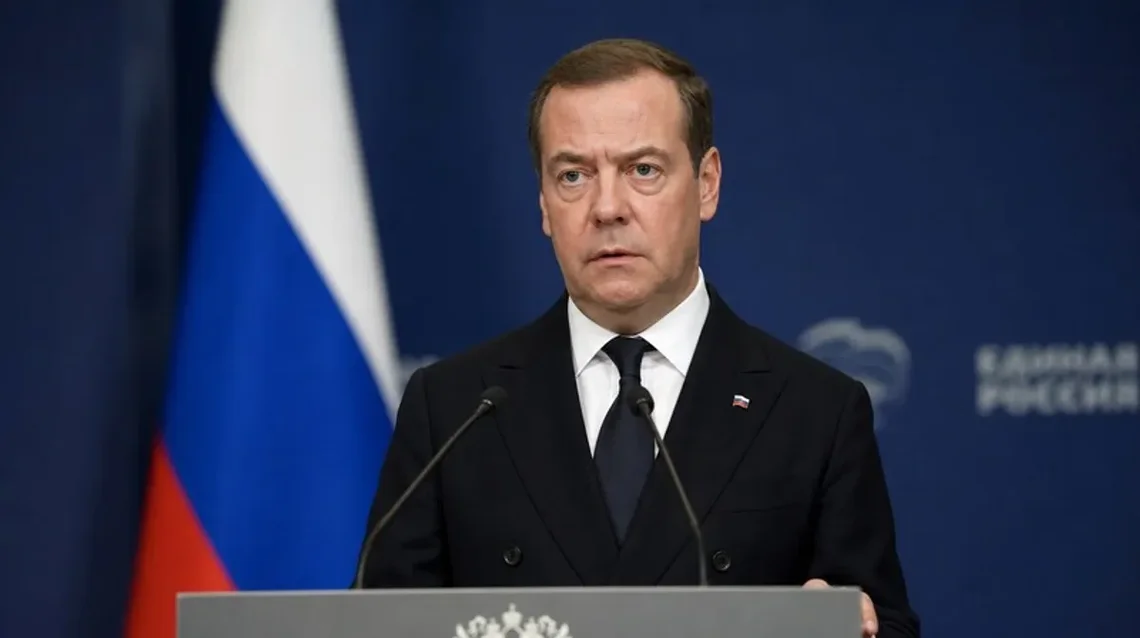
Russia has vetoed a United Nations Security Council resolution that would have authorised a new package of humanitarian and financial aid to Ukraine, leaving the body deadlocked for the latest in a series of failed votes over the conflict — and deepening fears among Western governments that multilateral mechanisms for supporting Kyiv are being systematically dismantled. The veto, cast by Moscow as a permanent member of the Council, was condemned by the United States, United Kingdom, and France as a cynical abuse of procedural privilege, according to officials cited by Reuters and AP.
Key Context: Russia holds permanent membership on the UN Security Council alongside the United States, United Kingdom, France, and China. Each permanent member retains the power to veto any substantive resolution, regardless of how many other members support it. Since the full-scale invasion of Ukraine began, Russia has exercised this veto power on multiple occasions to block resolutions relating to ceasefires, aid corridors, arms provisions, and peace frameworks — rendering the Council largely ineffective on the Ukraine file. China has either abstained or aligned with Russia on several key votes. (Source: UN Documentation Centre)
The Vote and Its Immediate Aftermath
The resolution, co-sponsored by the United States, United Kingdom, France, and eight other Council members, called for the renewal and expansion of cross-border humanitarian access, the release of civilian detainees, and the facilitation of financial aid flows coordinated through international agencies. Thirteen of the fifteen Council members voted in favour. Russia voted against. China abstained, according to UN documentation reviewed by Reuters.
Russia's Position
Moscow's UN Ambassador described the resolution as "politically motivated interference dressed in humanitarian language," arguing that the package was designed to prolong the conflict rather than resolve it, according to AP wire reports. Russian officials reiterated their position that Western financial and material support to Ukraine constitutes a form of proxy warfare, a characterisation Western governments have consistently rejected. Russia's delegation also raised objections to oversight mechanisms proposed in the resolution, which would have given UN agencies broader independent monitoring authority inside Russian-controlled territories.
Related Articles
Western Reaction
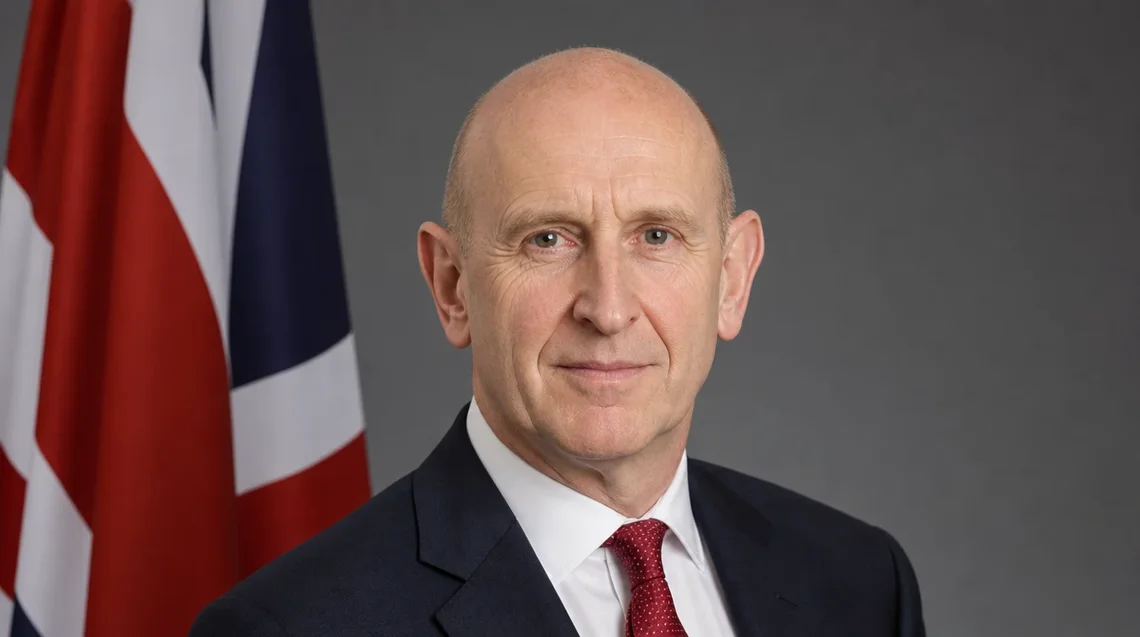
The UK's Permanent Representative to the UN called the veto "a deliberate act of obstruction that costs civilian lives," according to a statement circulated to press by the UK Mission in New York. The United States Ambassador described the outcome as "exactly what Moscow wants — a vacuum of accountability," according to officials cited by Reuters. France's representative called on the UN General Assembly to convene an emergency special session under the Uniting for Peace procedure, a mechanism that allows the Assembly to act when the Security Council is paralysed, though such resolutions remain non-binding.
A Pattern of Institutional Paralysis
This latest veto is not an isolated incident. The Security Council has been deadlocked on Ukraine across a range of specific issue areas for an extended period, and observers at the UN and in academic and policy circles have increasingly described the body as functionally incapacitated on the issue. As Foreign Policy has noted in its coverage of the conflict's diplomatic dimensions, Russia's permanent membership has effectively insulated its military campaign from binding multilateral censure.
Previous Blocked Resolutions
The pattern of vetoes and abstentions has touched nearly every dimension of the conflict. Earlier attempts to establish protected humanitarian corridors were blocked, as documented in coverage of the UN Security Council deadlocked on Ukraine aid corridor impasse. Separately, efforts to pass a binding framework for a negotiated settlement have faced the same obstruction, reflected in reporting on the UN Security Council deadlocked on Ukraine peace plan standoff. Most recently, a ceasefire proposal that received broad international backing was similarly neutralised, as covered in detail in analysis of the UN Security Council deadlocked on Ukraine ceasefire vote.
The cumulative effect of these failures is an institutional credibility crisis that has prompted renewed debate about Security Council reform, including proposals to limit the scope of the veto in situations involving mass atrocities or clear violations of the UN Charter's prohibition on the use of force. (Source: UN General Assembly records, Foreign Policy)
Humanitarian Stakes on the Ground
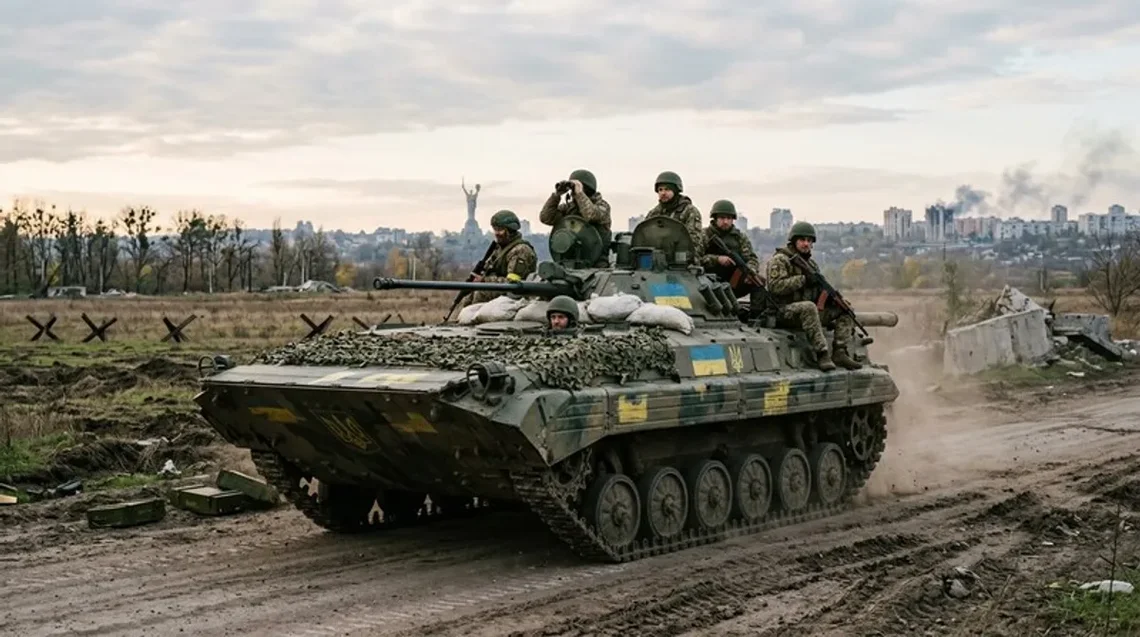
The practical consequences of the Council's failure to pass the aid resolution are significant. UN agencies, including the Office for the Coordination of Humanitarian Affairs (OCHA) and the World Food Programme (WFP), had been counting on the resolution's passage to unlock additional funding authorisations and legal frameworks that facilitate cross-border operations, according to UN reports. OCHA has previously warned that access constraints in conflict-affected areas of eastern and southern Ukraine continue to hamper the delivery of food, medicine, and shelter materials to displaced and vulnerable populations. (Source: OCHA situation reports)
Civilian Impact
According to UN figures, millions of people inside Ukraine remain dependent on international humanitarian assistance, with particularly acute needs in areas close to active front lines. The failure to renew and expand the aid mandate adds legal and logistical uncertainty for the network of international NGOs and UN agencies operating in the country. Aid workers and agency heads cited by AP described the Council's failure as "operationally damaging" and expressed concern about funding shortfalls in the absence of a renewed multilateral mandate.
What This Means for the UK and Europe
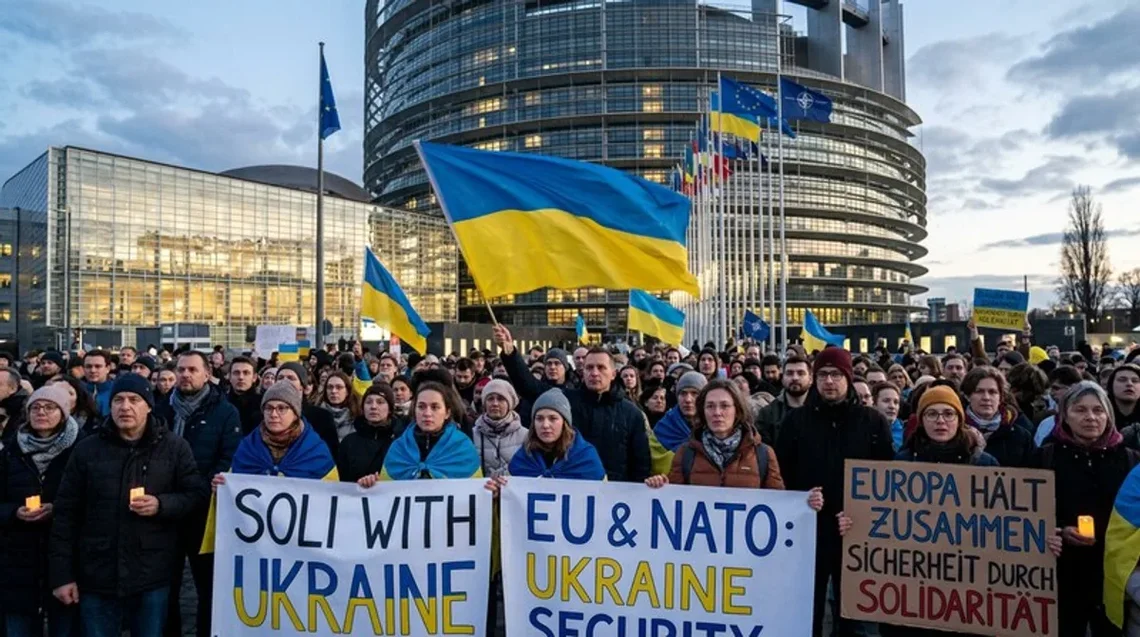
For the United Kingdom and its European partners, the Security Council deadlock reinforces a strategic reality that has been building since the early months of the conflict: that multilateral frameworks within the UN system cannot be relied upon as the primary vehicle for supporting Ukraine or constraining Russian action. The UK government has consequently deepened its bilateral and coalition-based support commitments, working through NATO frameworks, the G7, and specifically convened Ukraine Defence Contact Group meetings at ministerial and military chief level.
Bilateral and Coalition Responses
British officials have indicated that London remains committed to its multi-year military and financial assistance pledges to Kyiv, and that the UN veto, while diplomatically damaging, does not alter the UK's strategic posture. European Union member states have similarly moved the centre of gravity of their Ukraine support outside the UN system, channelling assistance through EU mechanisms including the European Peace Facility — a body specifically designed to fund military assistance to partner countries. (Source: European Commission, Reuters)
However, the repeated failure of UN instruments does create pressure on Western governments to maintain domestic political consensus around Ukraine support, particularly as economic pressures, energy costs, and electoral cycles introduce new variables into policy calculations across Europe. The ability to point to a functioning multilateral framework provides important political legitimacy for continued expenditure; without it, governments must make the case for support on purely national interest and value-based grounds, which can be more politically contested terrain, analysts cited by Foreign Policy have observed.
Implications for Arms and Sanctions Architecture
The inability to pass resolutions also affects the broader architecture of international accountability. Proposals for UN-monitored arms registers and sanctions enforcement mechanisms related to the conflict have faced similar blockages, as examined in earlier coverage of the UN Security Council deadlocked on Ukraine arms embargo and the UN Security Council deadlocked on Ukraine aid resolution disputes. Without binding Security Council backing, sanctions and arms control measures depend entirely on national and coalition-based enforcement, which varies considerably in rigour and reach.
Reform Debate Intensifies
The latest veto has reinvigorated calls for structural reform of the Security Council, a debate that has cycled through the UN for decades without resolution. Several member states, including Germany, Japan, Brazil, and India — collectively known as the G4 — have renewed their advocacy for an expansion of both permanent and non-permanent membership, along with restrictions on veto use in cases involving genocide, war crimes, or large-scale aggression. France has separately championed a voluntary code of conduct among permanent members to refrain from using the veto in mass atrocity situations. (Source: UN General Assembly, Reuters)
Structural Constraints on Reform
Any formal amendment to the UN Charter requires a two-thirds majority in the General Assembly and ratification by two-thirds of all member states, including all five permanent members — meaning Russia and China would need to consent to reforms that would curtail their own veto power. Analysts and diplomats widely regard comprehensive reform as structurally blocked for the foreseeable future, leaving procedural workarounds such as the Uniting for Peace mechanism, regional body resolutions, and coalition-of-the-willing frameworks as the practical tools available to states seeking to act in the absence of Security Council authorisation. (Source: Foreign Policy, AP)
Looking Ahead
With the Security Council effectively sidelined on the core dimensions of the Ukraine conflict, the diplomatic and material contest over Ukraine's future will continue to play out through bilateral relationships, alliance structures, and the economic and military balance on the ground. Western governments have indicated they will continue to route support through alternative frameworks regardless of the Council's dysfunction. The UN, for its part, remains an important forum for norm articulation, public diplomacy, and the documentation of alleged violations — but its capacity to shape outcomes through binding collective action has been, on this issue, decisively curtailed. For Kyiv, the message from Turtle Bay is now familiar: the cavalry, if it comes, will not be wearing blue helmets.