Labour Pledges £15bn NHS Overhaul as Waiting Lists Persist
Starmer announces major healthcare reforms amid ongoing treatment delays

Sir Keir Starmer's government has announced a £15 billion overhaul of the National Health Service, promising to cut record-breaking waiting lists that have left millions of patients in England enduring delays of more than 18 weeks for routine treatment. The pledge, described by ministers as the most ambitious NHS reform programme in a generation, combines capital investment, workforce expansion, and structural changes to how primary and secondary care interact across the system.
The announcement arrives as NHS England data show more than 7.5 million people currently on waiting lists, a figure that has remained persistently high despite previous commitments from successive governments to bring numbers down. Labour ministers insist the £15 billion envelope, to be deployed over a multi-year spending cycle, will fundamentally reshape how the health service delivers elective care, mental health provision, and community-based treatment across England. (Source: NHS England)
Party Positions: Labour backs a £15 billion NHS investment package centred on workforce expansion, new surgical hubs, and digital infrastructure, framing the spending as essential to ending what ministers call the "waiting list emergency." Conservatives argue the pledge is fiscally irresponsible given current borrowing levels, with shadow health secretary insisting productivity reforms rather than raw spending increases are the correct prescription. Lib Dems broadly support increased NHS investment but have called for greater transparency over how the £15 billion will be allocated and demand an independent NHS Commissioner to oversee delivery and hold ministers accountable.
The Scale of the Crisis
Official figures paint a stark picture of a health service under sustained pressure. Referral-to-treatment waiting times across NHS England show that a significant proportion of patients are currently waiting beyond the 18-week constitutional standard, a target the service has not met consistently since before the pandemic. Ambulance response times, accident and emergency four-hour targets, and cancer treatment waits have all remained under intense scrutiny. (Source: NHS England)
Related Articles
What the Data Shows
According to analysis published by The King's Fund and referenced by the Office for National Statistics, the backlog in elective care is not evenly distributed. Orthopaedic procedures, ophthalmology, and gynaecology account for the largest concentrations of delayed treatment, with patients in certain regions of the Midlands and the North waiting considerably longer than those in London and the South East. The geographic disparity has become a central part of Labour's political argument for a reformed, more equitable model of care delivery. (Source: Office for National Statistics)
| Indicator | Figure | Source |
|---|---|---|
| Total patients on NHS waiting list (England) | Approx. 7.5 million | NHS England |
| Patients waiting over 18 weeks | Over 40% | NHS England |
| Public satisfaction with the NHS | 24% (historic low) | British Social Attitudes / Ipsos |
| Voters citing NHS as top priority | 58% | YouGov |
| Labour lead on NHS competence | +12 points over Conservatives | YouGov |
| GP appointments delivered per week | Approx. 1.3 million | NHS England |
What the £15 Billion Covers
Treasury documents accompanying the announcement indicate the investment will be split across several distinct spending streams. The largest single allocation is directed toward capital investment in new surgical hubs and diagnostic centres, designed to separate planned care from emergency pathways and thereby reduce the bottlenecks that currently delay elective procedures. A second tranche is earmarked for workforce recruitment and retention, including enhanced bursaries for nursing students and a new contract framework for NHS consultants intended to incentivise additional elective sessions. (Source: HM Treasury)
Digital Infrastructure and Technology
Ministers have placed considerable emphasis on a digital modernisation strand within the package, acknowledging that outdated IT systems have long hampered the NHS's ability to coordinate care efficiently. The government intends to accelerate the rollout of a single patient record system that would allow clinical data to follow patients across different NHS trusts, reducing duplication of diagnostic tests and improving the speed of referrals between primary and secondary care. Health officials said the digital investment component, estimated at approximately £2.1 billion within the broader package, would also underpin a major expansion of remote monitoring for patients with long-term conditions. (Source: Department of Health and Social Care)
Mental Health Provision
A dedicated allocation within the overhaul specifically targets mental health services, which campaigners and clinicians have argued have been chronically underfunded relative to the scale of demand. According to data cited by the BBC and corroborated by NHS England, waiting times for Child and Adolescent Mental Health Services currently exceed two years in some parts of the country. Labour's reform package commits to expanding community mental health teams and establishing a network of new crisis stabilisation units intended to reduce inappropriate admissions to acute hospital beds. (Source: BBC; NHS England)
Political Reaction at Westminster
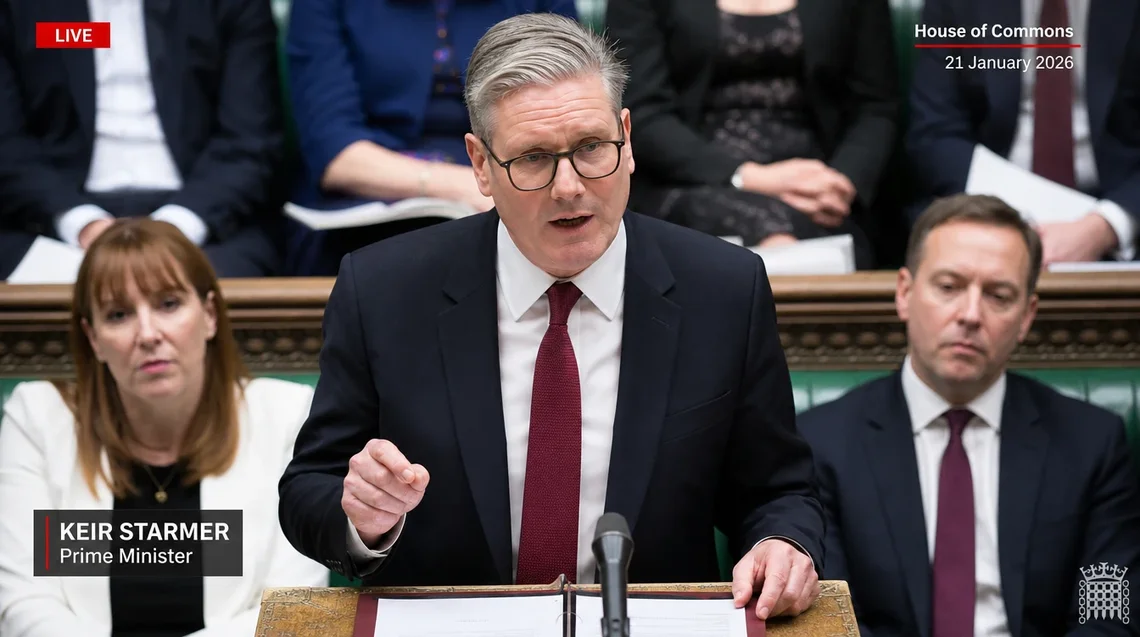
The announcement has generated significant parliamentary activity. Starmer faced sustained questioning during Prime Minister's Questions, with the Leader of the Opposition pressing the government on whether the £15 billion figure represents new money or a repackaging of previously announced commitments — a line of attack that has proved effective against both Labour and Conservative administrations in recent years. Ministers insist the investment represents genuine additional resource, pointing to the most recent Autumn Statement as confirmation of the fiscal headroom set aside for health spending.
Conservative and Liberal Democrat Responses
The Conservative frontbench has sought to frame the announcement as evidence of what it characterises as Labour's instinct to spend rather than reform. Shadow ministers have pointed to international comparisons suggesting that countries with comparable per-capita health spending to the United Kingdom achieve significantly better outcomes on waiting times and cancer survival, arguing that structural reform rather than investment alone is the appropriate response to the crisis. The Liberal Democrats, whose electoral gains in suburban and rural England owe much to NHS dissatisfaction among voters, have welcomed the headline figure while demanding greater specificity about regional distribution and accountability mechanisms. (Source: Guardian)
For broader context on the trajectory of NHS reform under the current administration, see our earlier reporting on how Starmer pledges NHS overhaul as waiting lists persist, which examined the prime minister's initial commitments on taking office and the political circumstances that shaped them.
Implementation Timeline and Accountability
One of the central criticisms directed at previous NHS reform programmes — under governments of both parties — is that ambitious announcements have routinely failed at the implementation stage. Officials at NHS England and the Department of Health and Social Care said the current package will be governed by a new delivery framework involving quarterly public reporting against specific milestones, including defined reductions in the number of patients waiting beyond 18 weeks and measurable improvements in cancer diagnostic waiting times.
Workforce as the Critical Variable
Health economists and NHS trust chief executives have consistently identified workforce as the single greatest constraint on the service's capacity to reduce waiting lists, regardless of the capital investment available. The government's pledge to train additional nurses and doctors is welcomed across the health sector, but analysts note that clinical training pipelines operate over years rather than months, meaning the workforce expansion strand of the current programme is unlikely to deliver tangible capacity improvements in the near term. According to the Guardian, senior NHS figures privately acknowledge that workforce shortfalls will remain a significant limiting factor for at least the next two to three years. (Source: Guardian)
The political stakes involved are examined further in our coverage of how Labour pledges new NHS funding as waiting lists persist, tracking the government's evolving messaging on health spending since the general election.
Public Opinion and the Political Calculus
Polling consistently identifies the NHS as the issue of greatest concern to British voters. YouGov data show that 58 per cent of respondents currently cite the health service as a top priority for government, a figure that has remained broadly stable across multiple survey waves and substantially above concerns about immigration, the cost of living, and national security. (Source: YouGov)
However, public satisfaction with the NHS itself has fallen sharply, with Ipsos data referenced in the British Social Attitudes survey recording satisfaction at 24 per cent, the lowest level since the survey began. This combination — high public prioritisation of the NHS alongside historically low satisfaction with its performance — creates both acute political risk and significant opportunity for a government willing to make a credible case for improvement. (Source: Ipsos)
Labour strategists are acutely aware that the party's traditional ownership of the NHS as a political issue has been one of its most durable electoral assets. The £15 billion announcement is calibrated in part to reassert that ownership at a moment when voters have grown deeply frustrated with the pace of change under previous administrations. Whether the reforms translate into measurable improvements within a politically meaningful timeframe will be among the defining tests of the Starmer government's first term.
Readers following the developing story can find additional background in our reports on Labour pledges NHS overhaul as waiting lists surge and the detailed fiscal breakdown covered in our analysis of Labour pledges £15bn NHS overhaul amid waiting list crisis, which sets the spending commitment in the context of wider public finances.
What Comes Next
Parliament is expected to scrutinise the reform package through the Health and Social Care Select Committee, with NHS England chief executives and Treasury officials among those likely to be called to give evidence. Legislation may be required to give legal force to certain structural changes, particularly those affecting the commissioning architecture introduced under previous governments. Health officials said a formal implementation plan will be published in the coming weeks, providing a more granular breakdown of how individual spending allocations will be managed and evaluated across NHS regions.
The persistence of the waiting list crisis, and the political pressure it continues to generate, means the government cannot afford the kind of implementation delay that has undermined previous NHS reform programmes. With voter expectations high and the opposition ready to exploit any evidence of slippage, ministers have set themselves a demanding test — one that will play out in waiting room figures and patient experience data long before it is finally adjudicated at the ballot box.