Labour faces NHS funding pressure ahead of budget
Health service demands exceed government spending plans

The government faces mounting pressure to significantly increase NHS funding ahead of the autumn budget, with health service leaders warning that existing spending plans fall billions of pounds short of what is required to stabilise a system still recovering from record-long waiting lists and staff shortages. Chancellor Rachel Reeves is understood to be weighing painful choices between tax rises, borrowing, and cuts elsewhere as competing demands from the health service threaten to dominate the budget agenda.
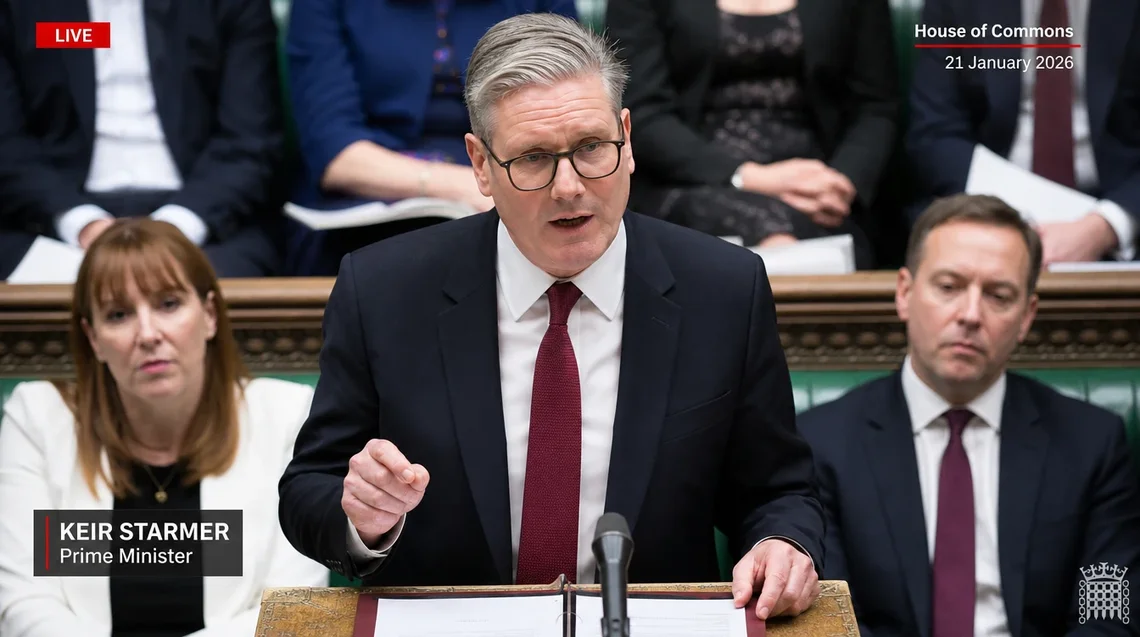
Senior NHS figures have indicated privately that the health service requires an increase of at least £6 billion above current Treasury projections to meet basic operational demands, according to reports in the Guardian. The gap between what health leaders say they need and what the government has pencilled in represents one of the most serious fiscal pressure points facing Keir Starmer's administration as it prepares for its first major budget statement.
Party Positions: Labour has committed to improving NHS performance and reducing waiting times, framing increased health spending as a central manifesto promise, though Treasury officials have stopped short of confirming specific budget figures ahead of the formal statement. Conservatives have accused the government of inheriting a health service in a manageable state and argue Labour is exaggerating the crisis to justify tax rises. Lib Dems are calling for an emergency funding package for the NHS and social care, warning that any delay will result in a further deterioration of services during the coming winter months.
The Scale of the Funding Gap
Health economists and NHS trust leaders have been increasingly vocal about the mismatch between the government's inherited spending envelope and the real-world demands facing hospitals, GP surgeries, and mental health services across England. Data from the Office for National Statistics show that NHS waiting lists have remained stubbornly high, with millions of patients still awaiting elective treatment, placing additional operational costs on trusts already running significant deficits.
Related Articles
Deficit Pressures on NHS Trusts
A significant number of NHS trusts ended the most recent financial year in deficit, according to NHS England figures, with the aggregate shortfall running into the hundreds of millions of pounds. Health policy analysts have argued that without a substantial injection of capital and revenue funding, trusts will be forced to implement further service reductions, delay equipment upgrades, and restrict staff recruitment — measures that would compound rather than address the backlog crisis.
The Institute for Fiscal Studies has previously noted that the NHS has historically required annual real-terms funding increases of approximately 3.5 to 4 percent simply to meet rising demand driven by an ageing population and advances in medical treatment. Current spending projections inherited from the previous administration are widely considered to fall below that threshold, officials said.
Workforce Costs Driving Pressure
A substantial portion of the funding pressure stems from workforce costs. Pay settlements agreed following a period of sustained industrial action by nurses, junior doctors, and other healthcare workers added significant recurring expenditure to the NHS wage bill. The government honoured those agreements as a condition of ending the strikes, but the Treasury has acknowledged that absorbing the full cost within existing budgets presents a serious challenge, according to BBC reporting on the matter.
For further analysis of how the government is navigating the intersection of health spending and broader fiscal policy, see our coverage of Starmer facing NHS pressure as Labour weighs a potential tax rise, which examines the political calculations inside Number 10 in detail.
Political Consequences for Labour
The NHS remains the single most politically sensitive policy area for any British government, and for Labour in particular it carries enormous symbolic weight. The party has long positioned itself as the natural guardian of the health service, and any perception that it is failing to deliver adequate funding risks undermining a central element of its electoral identity.
Polling Signals Public Priority
Polling conducted by YouGov indicates that the NHS consistently ranks as the top policy concern for British voters, with a majority stating they would support tax increases if the revenue were hypothecated directly to the health service. Separate research by Ipsos has found that public trust in the government to manage NHS funding effectively remains fragile, with significant proportions of respondents expressing scepticism that either of the main parties has a credible plan to resolve the structural challenges facing the service.
| Policy Area | Public Priority Ranking | % Satisfied with Government Handling | Source |
|---|---|---|---|
| NHS & Healthcare | 1st | 28% | YouGov |
| Cost of Living | 2nd | 24% | Ipsos |
| Economy | 3rd | 31% | YouGov |
| Housing | 4th | 19% | Ipsos |
| Education | 5th | 33% | YouGov |
(Source: YouGov, Ipsos — figures are indicative of recent polling trends)
Labour strategists are acutely aware that the party's honeymoon period following its general election victory has shortened considerably, and that visible progress on NHS waiting times represents one of the clearest metrics by which voters are likely to judge the government's performance. Internal party figures have reportedly cautioned senior ministers that failing to act decisively on health funding in the autumn budget could harden negative perceptions among traditional Labour voters in the Midlands and North of England, regions that proved decisive at the election.
Budget Options Under Consideration
Treasury officials are understood to be examining several mechanisms for raising additional revenue or redirecting existing expenditure to meet NHS demand. Among the options reported to be under active consideration are changes to capital gains tax thresholds, adjustments to employer National Insurance contributions, and a reassessment of pension tax relief for higher earners, according to the Guardian and BBC.
Borrowing Versus Tax
The Chancellor faces a fundamental tension between her public commitment to strict fiscal rules — specifically, the pledge not to borrow for day-to-day spending — and the scale of investment that health service leaders say is required. Some economists have argued that the government's self-imposed fiscal framework leaves insufficient room to respond to genuine public service emergencies without either raising taxes or making cuts in other departments.
The Office for National Statistics' latest public sector finance data show that government borrowing has remained elevated relative to pre-pandemic levels, limiting the headroom available to the Chancellor without triggering a negative market reaction or credit rating concern. This context makes any decision to dramatically increase NHS spending a complex fiscal and political calculation rather than a straightforward policy choice.
Departmental Trade-Offs
Any significant increase in NHS funding above baseline projections would almost certainly require either additional revenue from tax changes or reductions in spending elsewhere across Whitehall. Departments including transport, justice, and local government are already facing pressure to demonstrate real-terms efficiency savings, and health service advocates argue that raiding those budgets to fund the NHS would simply transfer crisis from one part of the public sector to another.
Our earlier reporting on Labour's pledges on major NHS funding in the autumn budget sets out the commitments made during the election campaign and the degree to which those promises are now being tested by fiscal reality.
Reform Alongside Funding
Senior figures within the government have been careful to argue that additional money alone will not resolve the NHS's structural problems, and that funding increases must be accompanied by reform of how the health service operates. Health Secretary Wes Streeting has made productivity improvement a central theme of his time in office, arguing that the NHS must change the way it delivers care rather than simply consuming larger amounts of public money in the same ways.
Structural Reform Debate
The reform agenda has not been without controversy. Some health unions and professional bodies have pushed back against what they describe as an implicit blame of NHS staff for the productivity challenge, arguing instead that chronic underfunding and poor management structures are the primary causes of inefficiency. The debate has complicated the government's messaging and created friction with trade union allies that Labour relies on for political and financial support.
Readers following the reform dimension of this story can find detailed analysis in our coverage of how Labour is pushing NHS reform legislation amid the funding row, which tracks the legislative progress and the political resistance the government is encountering.
The waiting times dimension of the reform debate is examined separately in reporting on Starmer's NHS overhaul facing new pressure on waiting times, including the specific targets the government has set itself and the risk that those targets will not be met within the promised timeframe.
Parliamentary and Opposition Response
Conservative shadow health secretary Edward Argar has repeatedly challenged the government at the despatch box to publish detailed spending plans rather than what he has characterised as a series of aspirational commitments without credible costings behind them. The opposition has sought to argue that the scale of the funding gap is as much a product of Labour's political choices as any objective necessity, a framing the government has vigorously disputed.
Liberal Democrat health spokesperson Helen Morgan has called for a cross-party commission on NHS and social care funding, arguing that the issue is too serious to be left to the adversarial dynamics of party politics. That proposal has been rejected by the government, which maintains it has a clear mandate from the electorate to address the NHS crisis on its own terms.
| Party | Current NHS Funding Position | Proposed Additional Spend | Preferred Funding Mechanism |
|---|---|---|---|
| Labour (Government) | Committed to real-terms increase | Under review ahead of budget | Combination of tax reform and efficiency savings |
| Conservatives | Defend previous spending record | Oppose unfunded increases | Efficiency and productivity-led approach |
| Liberal Democrats | Emergency package demanded | Significant short-term injection called for | Targeted wealth taxes and social care reform |
| SNP | Advocates for Scotland's block grant increase | Calls for Barnett consequentials to flow north | Devolved decision-making |
Looking Ahead to the Budget
The autumn budget statement is expected to be the defining political moment of the government's early period in office, and the decisions made on NHS funding will be scrutinised closely by voters, health professionals, financial markets, and political opponents alike. The Chancellor has given limited public indication of the specific numbers she is prepared to commit, maintaining the traditional pre-budget silence intended to prevent market volatility and political positioning ahead of the formal announcement.
What is clear from the weight of reporting, official data, and political commentary is that the pressure on the government to act is substantial and will not dissipate regardless of what figure ultimately appears in the budget document. Health leaders have warned publicly that anything short of a meaningful real-terms increase will result in further service deterioration over the coming winter period, a prospect that carries significant political risk for a government that came to power on an explicit promise to fix the NHS. (Source: Office for National Statistics, BBC, Guardian)
For a comprehensive overview of the legislative backdrop to the spending debate, our reporting on Labour pushing the NHS reform bill amid the wider funding debate provides essential context on how parliamentary activity and budget decisions are becoming increasingly intertwined as the government navigates its first major fiscal test.