Labour pledges £15bn NHS funding boost in summer budget
Starmer government targets record healthcare investment

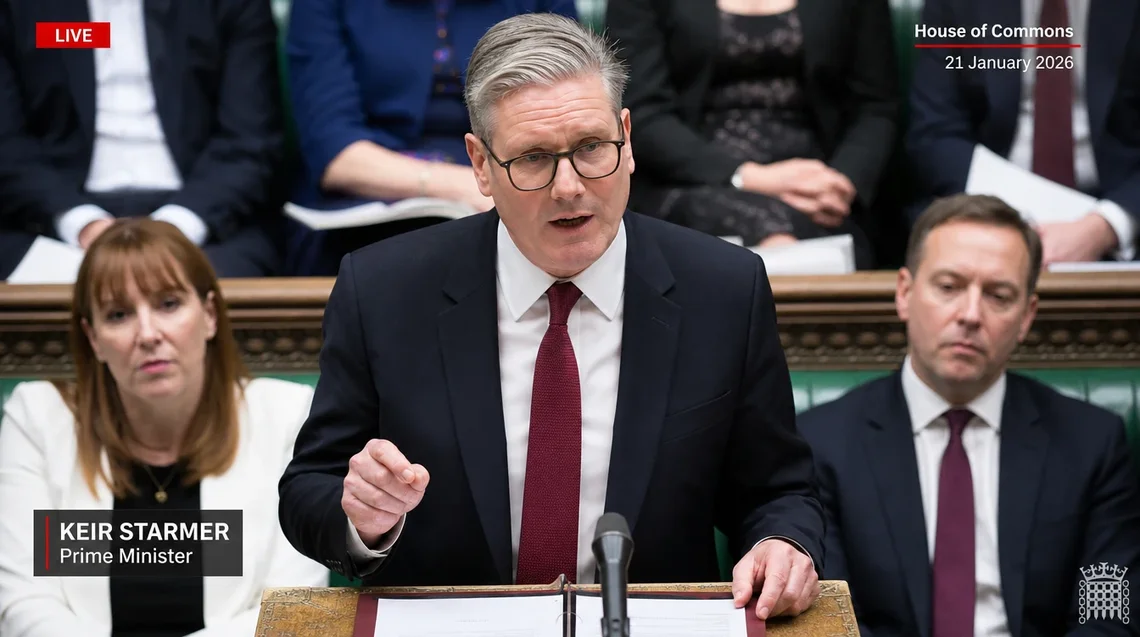
The Starmer government has announced a £15 billion boost to National Health Service funding as part of its forthcoming summer budget, marking what ministers are describing as the single largest real-terms increase in NHS investment in a generation. Chancellor Rachel Reeves confirmed the package in a statement to the Commons, pledging that the money would be directed at reducing waiting lists, expanding mental health provision, and overhauling crumbling NHS infrastructure across England.
The announcement places healthcare spending at the centre of Labour's economic programme and sets up a sharp political dividing line with the Conservative opposition ahead of what many at Westminster expect to be a prolonged parliamentary battle over fiscal priorities. Officials said the funding would be phased over the next three years, with the first tranche of approximately £5 billion arriving in the current financial year.
Party Positions: Labour says the £15 billion package represents a generational commitment to the NHS and a fulfilment of its core manifesto promises, arguing that only sustained public investment can address a waiting list crisis inherited from the previous administration. Conservatives contend that the spending plan is fiscally irresponsible, warning it will require either further tax rises or additional borrowing, and have called for an independent Office for Budget Responsibility assessment before any funds are committed. Lib Dems broadly welcome the scale of NHS investment but have pressed the government to guarantee that a meaningful portion of the new money is ringfenced specifically for mental health services and rural GP surgeries, areas they argue have been chronically underfunded under successive governments.
What the £15 Billion Package Contains
According to Treasury documents released alongside the Chancellor's statement, the funding is broken into several distinct streams. The largest single allocation — approximately £6.2 billion — is earmarked for reducing the NHS waiting list, which currently stands at record levels according to figures published by NHS England. A further £3.1 billion is designated for capital investment in hospital buildings, diagnostic equipment, and digital infrastructure, addressing a maintenance backlog that NHS trusts have long described as dangerous.
Related Articles
Mental Health and Primary Care
Mental health services are set to receive £2.4 billion from the package, a figure that ministers say reflects the government's commitment to treating mental and physical health with equivalent seriousness. Primary care — including GP surgeries, community pharmacies, and district nursing — will receive an additional £1.8 billion, officials said, with a specific focus on areas outside major metropolitan centres where recruitment and retention of clinical staff have proved most difficult. The remaining funds are allocated to workforce training pipelines and the expansion of same-day urgent treatment centres, according to the Treasury documents.
Capital Investment and NHS Estates
The capital allocation is intended to address what the National Audit Office has previously described as a severe and worsening maintenance backlog across NHS trusts in England. Reports compiled by NHS Providers and cited by the Health Secretary in Commons debate indicated that the backlog had reached tens of billions of pounds in value, with some hospital buildings described by clinical staff as no longer fit for purpose. Officials said the capital element of the summer budget announcement would prioritise hospitals that had been assessed as posing the greatest safety risk to patients and staff.
For broader context on how this commitment relates to earlier Labour policy positions, readers can consult coverage of how Labour Pledges Major NHS Funding Boost Amid Reform Push, which examined the structural conditions the party set for any large-scale investment in the health service.
Political Context and Parliamentary Reaction
The announcement lands at a moment of considerable political pressure on the government. NHS waiting list data published by NHS England show that millions of patients are currently awaiting elective treatment, a figure that has become one of the most politically salient statistics in British public life. Polling conducted by YouGov consistently places the NHS among the top two issues of concern for British voters, and internal Labour analysis — referenced by senior party figures speaking on background — suggests the government's standing on health competence is seen as critical to its electoral durability. (Source: YouGov)
Conservative and Opposition Response
Shadow Chancellor Mel Stride responded by arguing that Labour's approach amounted to "writing a blank cheque on the public finances" without a credible plan to improve NHS productivity alongside the funding increase. The Conservatives have pointed to analysis from the Institute for Fiscal Studies suggesting that NHS spending efficiency metrics have not improved in line with previous investment cycles, a claim Labour health ministers rejected, citing different baseline assumptions used in the IFS modelling. (Source: BBC)
The Lib Dems, through health spokesperson Daisy Cooper, offered qualified support while reiterating their call for a statutory mental health investment standard that would prevent future governments from raiding ring-fenced mental health budgets to plug deficits elsewhere in the NHS. The SNP welcomed the headline figure but noted that Barnett formula consequentials for Scotland would need to be confirmed before the Scottish Government could plan its own health spending accordingly.
Economic and Fiscal Dimensions
The Office for Budget Responsibility is expected to publish updated fiscal forecasts alongside the summer budget, and economists at several independent institutions have already begun modelling the implications of the £15 billion commitment. The key question, according to analysts cited by the Guardian, is whether the government intends to fund the increase primarily through borrowing, through reallocations from other departmental budgets, or through revenue generated by recently announced tax measures including changes to employer National Insurance contributions. (Source: Guardian)
Debt Sustainability and Fiscal Rules
Chancellor Reeves has repeatedly stated that the government remains committed to its self-imposed fiscal rules, including the requirement that day-to-day spending be met from revenues rather than borrowing by the end of the parliamentary term. Officials said the NHS investment had been structured to ensure that the capital elements — which can be funded through borrowing under the government's rules — were clearly delineated from current spending commitments. Independent economists have cautioned, however, that the boundary between capital and current spending in health is frequently blurred in practice, particularly when it comes to workforce costs associated with new facilities. (Source: Office for National Statistics)
Data published by the Office for National Statistics show that public sector net debt as a proportion of GDP remains at historically elevated levels following the pandemic years, placing constraints on the government's fiscal room for manoeuvre. The OBR is expected to provide its assessment of whether the budget as a whole is consistent with the fiscal rules when it publishes its economic and fiscal outlook alongside the Chancellor's statement. (Source: Office for National Statistics)
| Funding Stream | Allocation (£bn) | Primary Focus |
|---|---|---|
| Waiting List Reduction | £6.2bn | Elective care, surgical capacity |
| Capital Investment | £3.1bn | Hospital estates, diagnostics, digital |
| Mental Health Services | £2.4bn | Community mental health, crisis care |
| Primary Care | £1.8bn | GP surgeries, community pharmacy |
| Workforce and Training | £1.5bn | Medical training, recruitment pipelines |
| Urgent Treatment Expansion | Remaining allocation | Same-day urgent care centres |
Public Opinion and the Electoral Calculation
Polling conducted by Ipsos places public support for increased NHS funding at consistently high levels across all major demographic groups, with strong majorities indicating they would support higher taxes if the proceeds were demonstrably directed at health service improvement. That political backdrop gives the government considerable confidence that the announcement will be broadly well received, though analysts note that voter approval for NHS spending in principle does not automatically translate into approval for any specific government's handling of health policy. (Source: Ipsos)
Internal party research, referenced by Labour officials speaking on background, suggests the government is particularly focused on demonstrating tangible improvements to waiting times before the next general election, aware that sustained high waiting lists could neutralise the political benefit of the funding commitment. The Prime Minister's official spokesperson declined to put a specific figure on waiting list reduction targets tied to the new investment, saying only that the government expected "significant and measurable progress" within the current parliament.
The funding commitment builds directly on promises Labour made before entering government. An earlier examination of Labour pledges £15bn NHS funding boost in manifesto traced the origins of this specific figure through the party's pre-election policy platform and the economic assumptions underpinning it.
Implementation and NHS Reform
Senior NHS England officials have cautioned publicly and privately that funding alone will not resolve systemic challenges within the health service, pointing to workforce shortages, fragmented commissioning structures, and persistent inequalities in health outcomes between regions as problems requiring structural reform alongside financial investment. Health Secretary Wes Streeting has acknowledged this argument, framing the budget commitment as one element of a wider reform programme rather than a standalone solution.
Workforce Strategy and Long-Term Planning
A revised NHS workforce plan is expected to be published in conjunction with the summer budget, setting out projections for the number of doctors, nurses, and allied health professionals required over the next decade and the training pipeline measures needed to meet those projections. Officials said the £1.5 billion workforce allocation within the £15 billion package was designed to support the early years of that pipeline, though health sector unions have indicated they will be scrutinising whether the figures are sufficient to address what they describe as a staffing emergency currently affecting patient safety across multiple specialities.
Readers following the ongoing development of NHS funding policy may also find it useful to review analysis of Labour pledges NHS funding boost amid waiting list crisis, which examined the specific pressure points driving the government's timetable on health investment, and earlier reporting on Labour pledges major NHS funding boost in spending review, which covered the longer-term spending framework within which this summer budget announcement sits.
What Comes Next
The summer budget is expected to be presented to the House of Commons within the coming weeks, at which point the full fiscal documentation — including the OBR's independent assessment — will be available for parliamentary and public scrutiny. Select committees in both the Health and Social Care and Treasury portfolios have indicated they intend to hold evidence sessions examining the funding announcement in detail, with NHS England chief executive Amanda Pritchard and senior Treasury officials among those likely to be called.
Whether the £15 billion commitment translates into the measurable improvements in patient care and waiting times that the government is staking its health policy credibility on will depend not only on the scale of the investment but on the speed and effectiveness of its deployment. NHS history offers cautionary precedents: previous large funding injections have at times been absorbed by cost pressures and pay settlements without producing the service improvements that accompanied the political announcements. Officials in Downing Street and the Department of Health and Social Care are aware of that history, and insiders say the Prime Minister has been explicit in private that the test of this budget will be outcomes, not inputs.