Labour Pledges Major NHS Overhaul Amid Funding Crisis
Starmer government seeks to address year-long waiting lists

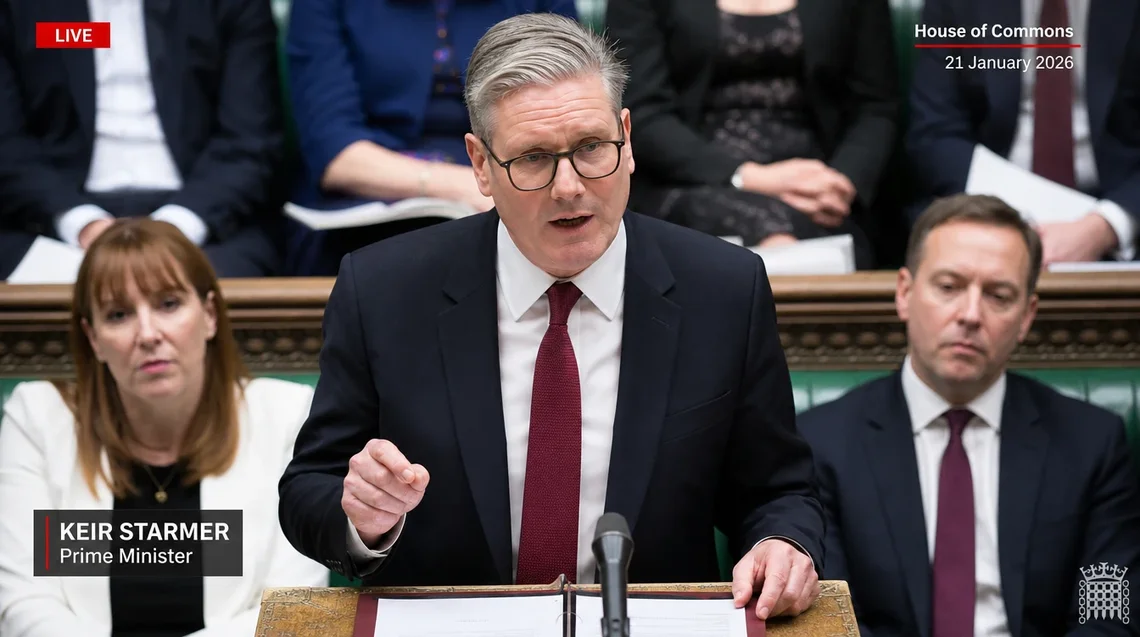
The Starmer government has unveiled a sweeping overhaul of the National Health Service, committing to eliminate year-long waiting lists and inject billions into frontline care as NHS England records more than 7.5 million people awaiting treatment — the highest backlog in the health service's history. Health Secretary Wes Streeting has described the programme as "the most significant structural reform since the NHS was founded," setting out a blueprint that combines additional funding, workforce expansion, and a shift toward community-based care. The announcement has drawn immediate fire from the Conservative opposition, who argue Labour is recycling pledges made but undelivered under successive governments.
The Scale of the Crisis
NHS England data show the waiting list has ballooned to figures unseen in the health service's decades-long history, with patients in some specialties waiting beyond eighteen months for elective procedures. Orthopaedics, ophthalmology, and gastroenterology have recorded the worst backlogs, with tens of thousands of patients classified as having waited beyond the legally mandated eighteen-week referral-to-treatment target. According to the Office for National Statistics, the economic cost of prolonged waiting times — measured through lost productivity and out-of-work sickness claims — runs into tens of billions of pounds annually, placing additional pressure on the Treasury to treat NHS reform as an economic as well as a health policy imperative.
Workforce Pressures Underlying the Backlog
Officials said the workforce shortfall remains the central structural problem facing the health service. NHS England has acknowledged a vacancy rate running into the tens of thousands across nursing, consultant, and general practice roles. The Health Foundation, cited by the Guardian, has warned that without a credible long-term workforce plan, additional funding risks being absorbed by agency staffing costs rather than delivering additional capacity. The government's plan includes commitments to train additional staff across multiple disciplines, though critics have noted that medical training timelines mean any new intake would not qualify for several years.
Labour's Reform Programme
At the centre of Labour's overhaul is a stated intention to shift NHS care away from acute hospital settings toward community health centres, primary care networks, and mental health services. Streeting has argued that the current model — built around large district general hospitals as the first point of complex care — is both financially unsustainable and clinically suboptimal for many conditions. The government has pointed to evidence from NHS pilot programmes suggesting that enhanced community care pathways reduce emergency admissions and associated costs.
Related Articles
For further context on the funding architecture underpinning these commitments, see Labour Pledges Major NHS Funding Boost Amid Reform Push, which outlines the multi-year spending trajectory the Treasury has agreed to in principle.
The Ten-Year Plan Framework
The government has committed to publishing a formal ten-year plan for the NHS later this parliamentary session, building on interim recommendations from Lord Darzi's independent review. According to Downing Street officials, the plan will set legally binding waiting time targets alongside new accountability mechanisms for NHS trusts that repeatedly miss performance thresholds. Integrated Care Boards, introduced under the previous government's structural reforms, will be given expanded commissioning powers but also greater financial accountability under the new framework, officials said.
Mental Health Provision
Labour has specifically ring-fenced a portion of new NHS capital spending for mental health infrastructure, responding to what the BBC has described as a "decade of neglect" in community mental health provision. Referral times to Child and Adolescent Mental Health Services remain well beyond recommended thresholds in most regions, according to NHS data, with some families waiting longer than two years for a first appointment. The government has announced the creation of new mental health crisis centres intended to reduce pressure on accident and emergency departments, which have increasingly become the default point of contact for patients in acute psychiatric distress.
Party Positions: Labour has pledged to eliminate year-long NHS waits within a single parliament, committing to a combination of new capital investment, workforce expansion, and structural reform shifting care into community settings. Conservatives have argued that Labour's proposals lack credible costings and replicate reforms already attempted under previous administrations without addressing root causes of the backlog, including workforce planning failures and inflationary pressures on NHS contracts. Lib Dems have broadly supported investment in NHS mental health and primary care but have called for an independent funding review, arguing that neither of the two largest parties has been honest with the public about the true cost of restoring the health service to full operational capacity.
Funding Commitments and the Treasury Question
The announcement comes against a backdrop of significant fiscal constraint. The Office for Budget Responsibility has warned publicly that day-to-day public spending growth will remain limited across this parliament, placing the Health Secretary in the difficult position of seeking transformational change within a tightly managed envelope. Officials said the government intends to fund a portion of the overhaul through efficiency savings identified by NHS England's own internal review, though health economists cited by the Guardian have expressed scepticism that such savings can be realised at the speed and scale required without destabilising existing services.
| Metric | Current Position | Government Target |
|---|---|---|
| Total elective waiting list | 7.5 million+ patients | Under 5 million within one parliament |
| 18-week referral-to-treatment compliance | Approximately 58% of patients seen within target | 92% compliance restored |
| NHS workforce vacancy rate | Approx. 100,000+ vacancies across England | Reduce to below 50,000 within five years |
| Public satisfaction with NHS (Ipsos/King's Fund) | 24% — record low | No specific numerical target set |
| Additional annual NHS capital investment pledged | Baseline spending | £3.1 billion additional per annum |
(Source: NHS England, Office for National Statistics, Ipsos/King's Fund Health Survey)
Opposition and Parliamentary Response
The Conservative benches have mounted a sustained challenge to Labour's NHS narrative, arguing that the government has consistently overstated the deterioration of the health service under previous administrations while underplaying the structural investments made, including the hospital building programme and the vaccine rollout infrastructure. Shadow Health Secretary Edward Argar told the Commons that Labour's plans "contain no new thinking, only new spending commitments the country cannot afford," according to Hansard records of the debate.
Liberal Democrat Position
The Liberal Democrats have adopted a more nuanced position, endorsing the broad direction of reform while pressing the government on the specific timetable for mental health and primary care investment. According to party officials, the Lib Dems have tabled amendments calling for an independent NHS funding commission, modelled on the approach taken for defence spending reviews, to depoliticise long-term financial planning for the health service. The proposal has received a cautious welcome from some Labour backbenchers but has been formally rejected by the government, which argues it would dilute ministerial accountability.
Public Opinion and Political Context
Polling data present a complex picture for the government. A YouGov survey conducted recently found that while a majority of respondents — 67 percent — rated the NHS as the most important issue facing the country, only 34 percent expressed confidence that the current government would meaningfully reduce waiting lists within a single parliamentary term. A separate Ipsos poll found satisfaction with NHS services at its lowest recorded level, with particular dissatisfaction concentrated among older respondents and those in regions with the most severe backlog pressures. (Source: YouGov, Ipsos)
The political stakes are considerable. Labour won a substantial majority at the general election in part on an explicit commitment to fix the NHS, and internal party research, according to sources cited by the Guardian, suggests that failure to demonstrate visible improvement on waiting times ahead of the next electoral cycle would materially damage the government's re-election prospects. Starmer has acknowledged the pressure publicly, telling a Downing Street press conference that the NHS reform programme is "the central domestic test of this government."
For additional reporting on the political dynamics surrounding these commitments, readers can follow developing coverage at Starmer pledges major NHS overhaul amid funding crisis and Starmer pledges major NHS overhaul amid funding row, which track the ongoing parliamentary and internal party dimensions of the debate.
Implementation Timeline and Risks
Officials said the government plans to legislate on the structural elements of the overhaul — including NHS trust accountability frameworks and Integrated Care Board commissioning powers — within the current parliamentary session. However, health policy analysts cited by the BBC have warned that the track record of NHS reform in England suggests a persistent gap between legislative intent and operational delivery, with previous reorganisations consuming management bandwidth and financial resources during transition periods.
The Darzi review, commissioned by Streeting shortly after taking office, identified "institutional inertia" and fragmented accountability as primary obstacles to reform delivery, and recommended that any structural changes be accompanied by a clear transition management plan with ring-fenced implementation funding. The government has accepted the review's recommendations in principle, though the specifics of transition funding have not yet been confirmed in Treasury documents, officials said.
A further dimension of the overhaul involves the role of the independent sector. Labour has historically been cautious about private sector involvement in NHS delivery, but the government has indicated it is prepared to commission independent sector providers to help clear the backlog, provided contracts include robust quality and access conditions. This has prompted criticism from trade unions representing NHS staff, who argue that outsourcing elective procedures undermines the principle of a comprehensive public health service. The tension between pace of delivery and ideological commitments on privatisation represents one of the more difficult internal management challenges the Starmer government faces as it moves from announcement to implementation.
For a broader perspective on how Labour's funding commitments connect to the structural reform agenda, see Labour pledges NHS funding boost amid waiting list crisis and Starmer pledges NHS overhaul amid funding crisis.
The full ten-year plan, when published, will represent the definitive test of whether Labour's ambitions are matched by credible policy architecture. For now, the government has set the terms of the debate — and opponents, the public, and the health service's own workforce will be watching closely to see whether Westminster's latest NHS promise translates into measurable change for patients still waiting.