Labour pledges NHS overhaul as waiting lists extend
Starmer government announces major funding boost for health service

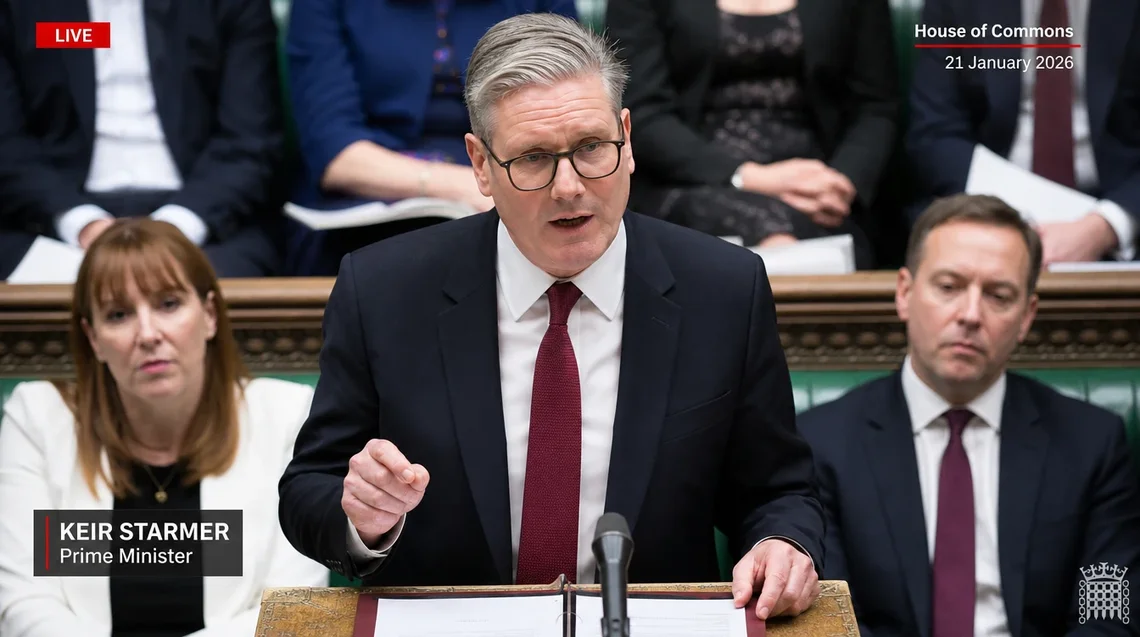
The Starmer government has announced a multi-billion-pound funding injection into the National Health Service, pledging to transform NHS England as official figures show more than 7.5 million patients remain on waiting lists across England — a record backlog that ministers have described as a national emergency requiring urgent structural reform. Health Secretary Wes Streeting outlined the plan before the Commons, promising the largest sustained investment in NHS capacity in a generation, backed by a commitment to eliminate the longest waits within the current parliamentary term.
The announcement comes amid mounting pressure on Downing Street from all opposition parties, healthcare unions, and patient groups who warn that the system is at breaking point. According to NHS England data, the average waiting time for elective treatment currently stands at over 14 weeks, with more than 300,000 patients waiting longer than a year for planned procedures. Officials said the government's plan would redirect funding toward community diagnostic hubs, expanded surgical capacity, and additional clinical staffing.
Party Positions: Labour has pledged a comprehensive NHS overhaul backed by significant new public funding, prioritising the elimination of the longest waits and investment in community diagnostic centres and preventative care. Conservatives argue that Labour's spending commitments are fiscally reckless and have questioned whether structural reform — rather than additional funding alone — is the answer to the NHS backlog. Lib Dems are calling for an emergency cross-party NHS recovery commission, urging that the crisis be treated as a national emergency above party lines.
The Scale of the Waiting List Crisis
The NHS waiting list has been a defining political battleground for successive governments, but officials say the current position is without modern precedent. Data published by NHS England show that roughly one in eight people in England are currently waiting for hospital treatment, with orthopaedic, ophthalmology, and cardiology services bearing the greatest pressure.
Related Articles
Key Figures Behind the Backlog
According to the Office for National Statistics, hospital admissions and outpatient referrals are running significantly above pre-pandemic norms, while workforce vacancies across nursing and specialist medical roles remain critically high. The King's Fund and the Health Foundation have both separately assessed the backlog as structurally embedded, warning that one-off funding boosts without reform of how care is delivered will prove insufficient in the long term. NHS England's own modelling, cited by officials, suggests it could take the better part of a decade to clear the inherited backlog under current operational conditions without targeted intervention.
| Metric | Current Figure | Previous Year | Change |
|---|---|---|---|
| Total patients on waiting list | 7.54 million | 7.21 million | +4.6% |
| Waiting more than 52 weeks | 302,000+ | 370,000 | -18.4% |
| Average elective wait (weeks) | 14.3 | 13.8 | +3.6% |
| Public satisfaction with NHS (Ipsos) | 24% | 29% | -5pts |
| Labour lead on NHS handling (YouGov) | +11pts | +14pts | -3pts |
Labour's Reform Package in Detail
Health Secretary Wes Streeting set out what officials described as a three-strand approach: immediate capacity expansion, structural reform of how care is organised, and a long-term workforce strategy. Officials said the funding package would be channelled through NHS England over the course of the current parliament, with independent auditing to track delivery against waiting list targets.
Community Diagnostic Hubs and Surgical Centres
A central plank of the government's plan involves the rollout of new community diagnostic centres across England, which are designed to process high volumes of imaging, pathology, and screening appointments outside of the traditional hospital setting. Officials said the centres would help to decongest acute hospitals and allow surgical theatres to focus exclusively on procedures rather than diagnostics. Wes Streeting told the Commons that new surgical hubs, modelled on pilots in the South East and the Midlands, would be expanded nationally, operating on extended hours including weekends to maximise throughput. According to government figures, each hub is projected to handle up to 30,000 additional appointments annually at full capacity.
Workforce and Retention Strategy
Officials acknowledged that capital investment alone cannot resolve a workforce crisis that has seen tens of thousands of nursing and medical vacancies remain unfilled across NHS trusts. The government's reform package includes commitments to train additional nurses, physiotherapists, and diagnostic radiographers, as well as measures intended to improve retention by addressing pay and working conditions. Unions have welcomed elements of the announcement but warned that delivery timelines remain vague, with NHS staff shortages requiring years of pipeline investment before results are visible on the frontline. The BBC reported that union leaders met with Streeting ahead of the Commons statement to express concern that workforce measures lacked binding guarantees.
Opposition Response and Parliamentary Debate
The Commons session that followed Streeting's statement was notably fractious, with shadow health secretary Edward Argar pressing the government on whether new money represented genuinely additional investment or a repackaging of previously announced spending. Conservative MPs questioned the absence of independent costing for the full package and accused Labour of offering aspiration rather than a credible operational plan. Liberal Democrat health spokesperson Helen Morgan called for the creation of an emergency cross-party NHS commission, arguing that the crisis transcends party affiliation and requires a coordinated national response that no single government can deliver alone.
Polling and Public Sentiment
Public trust in both major parties on healthcare has been tested by the sustained length of the crisis. Polling conducted by YouGov shows Labour retains a lead over the Conservatives on NHS management, though that margin has narrowed compared to pre-election figures. A separate Ipsos survey found that public satisfaction with the NHS currently stands at its lowest recorded level in decades, with patients citing long waits, appointment cancellations, and difficulties accessing GP services as the primary drivers of dissatisfaction. The Guardian reported that internal Labour focus groups have flagged NHS performance as the single issue most likely to determine the government's political standing at the midpoint of the parliament.
The Political Stakes for Starmer
For Sir Keir Starmer, the NHS has always occupied a totemic position in Labour's political identity, and officials within Downing Street are acutely aware that failure to demonstrate visible progress on waiting lists risks significant electoral damage. The Prime Minister framed the reform package in a Downing Street press conference as a generational commitment, arguing that the government inherited a broken system and is now undertaking the long-term structural work required to fix it. Critics, including some on Labour's own backbenches, have privately cautioned that the public will not wait indefinitely for results and that the political window for blaming the previous administration is narrowing.
Observers at Westminster have noted that the NHS has historically functioned as a political litmus test for governing parties, with the public's perception of health service performance often outweighing economic data in determining approval ratings. For previous reporting on how Labour has framed its health ambitions in the run-up to this announcement, see coverage of Labour Pledges NHS Overhaul as Waiting Lists Surge and analysis of the legislative groundwork in Labour pledges NHS overhaul as waiting lists hit record.
NHS Funding: Where the Money Goes
The government has declined to publish a full departmental breakdown of the funding package ahead of the next fiscal statement, but officials confirmed that the largest single allocation targets elective care recovery, followed by capital investment in diagnostic infrastructure. Mental health services, which have faced sustained underfunding warnings from NHS Confederation and Mind, will receive a proportional uplift, officials said, though campaigners argued it remains insufficient relative to the scale of demand. A portion of the funding is also earmarked for digital transformation, including the expansion of the NHS App and online appointment systems, which officials said would reduce administrative burden on frontline staff.
Comparison with Previous Government Commitments
Analysts have drawn comparisons between the current package and the NHS Long Term Plan introduced under the previous Conservative administration, which similarly promised structural reform and substantial new investment. The Health Foundation has noted that funding commitments in real terms, once inflation is accounted for, frequently fall short of headline figures, and has called on the government to publish inflation-adjusted projections for independent scrutiny. NHS Providers, which represents NHS trusts in England, welcomed the announcement but said the level of investment needed to genuinely transform capacity requires sustained above-inflation increases over multiple parliamentary cycles, not a single-term commitment. Further context on the long-running nature of this policy challenge is available in coverage of Labour pledges NHS overhaul as waiting lists remain critical and the ongoing legislative picture detailed in Labour Pledges £15bn NHS Overhaul as Waiting Lists Persist.
What Comes Next
The government has set a series of interim milestones against which NHS England will be expected to report publicly, including targets for the reduction of waits exceeding 18 weeks and benchmarks for diagnostic turnaround times. Officials said an independent review body will assess progress on a quarterly basis, with findings reported directly to Parliament. Health think tanks have broadly welcomed the accountability framework while cautioning that interim targets can incentivise gaming of data at trust level, a phenomenon documented during previous NHS performance regimes. Patient groups including Healthwatch England have called for meaningful public engagement in monitoring reform, arguing that lived experience of the health service must inform evaluation alongside official statistics. For the broader trajectory of this policy story and what analysts expect in the months ahead, see Labour pledges NHS overhaul as waiting lists remain high.
The government's NHS overhaul now stands as perhaps the most consequential domestic policy test of the Starmer administration. Officials are confident the package represents a genuine break from recent NHS policy, but the political calculus is unambiguous: waiting lists must fall, and they must fall in a manner visible to patients, before the next general election. Whether funding, reform, and workforce investment can align at sufficient pace to deliver that outcome remains the central unanswered question facing both Westminster and the health service.