Starmer pledges NHS overhaul amid funding crisis
Labour seeks to address waiting lists with major reform plan

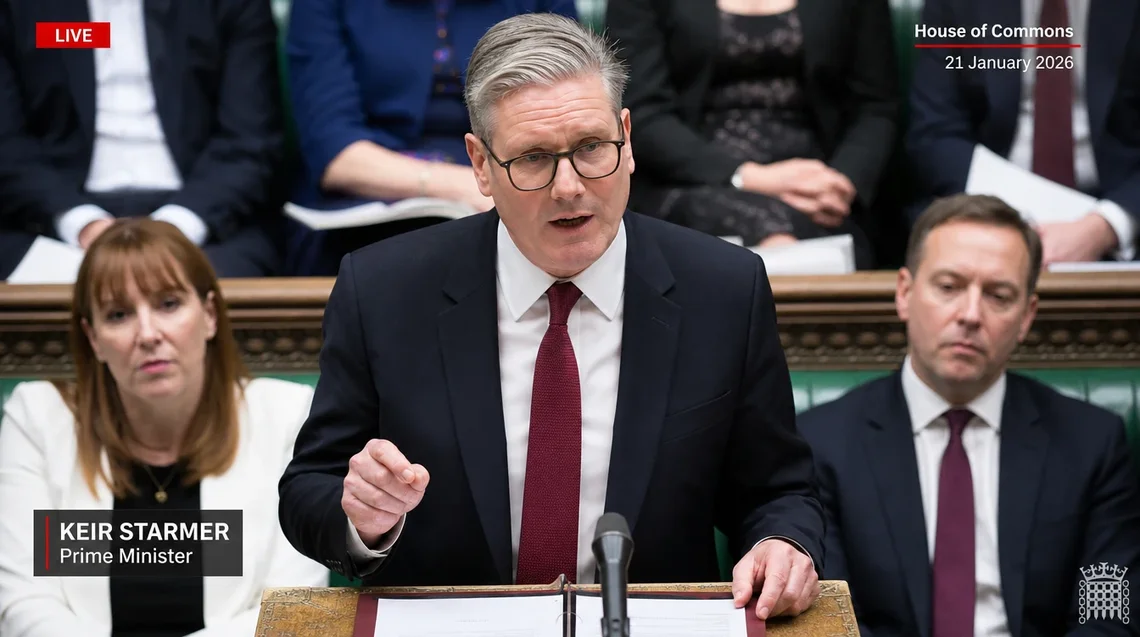
Prime Minister Keir Starmer has unveiled a sweeping reform plan for the National Health Service, pledging to reduce record waiting lists and restructure the way healthcare is delivered across England as the government faces mounting pressure over a funding shortfall that threatens to derail Labour's core electoral promise. With NHS waiting lists currently running at over seven million, the scale of the challenge confronting Downing Street is considerable, and officials say the overhaul represents the most ambitious attempt to reshape the health service in a generation.
The Scale of the Crisis
The backdrop to Starmer's announcement is a health service under acute strain. Data published by NHS England show that millions of patients are waiting for consultant-led treatment, with thousands waiting beyond the 18-week legal target. Staff shortages, ageing infrastructure, and surging demand have combined to create conditions that senior clinicians and health economists describe as unsustainable without significant structural intervention.
Waiting List Figures
According to figures compiled by the Office for National Statistics, the number of people waiting for elective treatment in England has climbed sharply since the pandemic, representing one of the most visible symbols of public service failure that Labour repeatedly highlighted during the general election campaign. The government's own health advisers have warned that without reform — not merely additional spending — waiting times will continue to deteriorate even if budgets are increased.
| Metric | Current Figure | Target | Year of Target |
|---|---|---|---|
| Total waiting list (England) | 7.5 million+ | Under 5 million | End of Parliament |
| Waiting beyond 18 weeks | Approx. 3.3 million | Eliminate 18-week breaches | Five-year term |
| Average A&E wait (four-hour target) | ~70% meeting target | 95% | Mid-term |
| Public satisfaction with NHS (Ipsos) | 24% satisfied | N/A | Recent polling |
| Labour poll lead on NHS issues (YouGov) | +12 points over Conservatives | N/A | Current |
(Sources: NHS England, Office for National Statistics, Ipsos, YouGov)
Related Articles
What the Reform Plan Contains
The government's overhaul, outlined in a formal announcement from Downing Street, centres on three broad pillars: shifting care from hospitals into community settings, investing in digital infrastructure and preventative medicine, and restructuring NHS management to reduce bureaucratic layers. Officials said the plan builds on recommendations made by an independent review commissioned shortly after Labour took office.
Moving Care Into the Community
A central plank of the reform is the expansion of neighbourhood health centres — facilities designed to provide diagnostics, minor surgery, and mental health support outside of traditional hospital settings. Health Secretary Wes Streeting has been explicit that the NHS cannot be "saved" through additional funding alone and that it must be fundamentally redesigned around the patient. According to the Guardian, Streeting's position has drawn cautious support from some health think-tanks, though unions representing NHS workers have raised concerns about staffing levels required to make community-based care work at scale.
For more context on how these reform announcements have evolved in recent months, see our earlier coverage: Starmer pledges NHS overhaul as waiting lists persist, which examined the government's initial positioning before the formal plan was published.
Digital Infrastructure and Data
The overhaul also includes a significant digital component. Officials said the government intends to accelerate the rollout of digital patient records, reduce the reliance on paper-based administration, and use data analytics to better predict demand across the system. The BBC has reported that NHS trusts currently operate dozens of incompatible digital systems, creating inefficiencies that cost the service hundreds of millions annually. The government argues that rationalising these systems is essential to any meaningful productivity improvement.
The Funding Question
Despite the ambitious framing of the reform programme, the question of funding remains deeply contested. The Treasury has committed to real-terms increases in NHS spending, but health economists and opposition politicians argue the sums fall short of what is required to both clear the backlog and sustain day-to-day operations. The Institute for Fiscal Studies has previously warned that the gap between what has been promised and what has been allocated is significant.
Budget Pressures and the Autumn Statement
Reports in the Guardian and the BBC indicate that internal government discussions ahead of the next fiscal statement have been tense, with the Department of Health seeking additional capital funding while the Treasury resists further borrowing commitments. Officials declined to confirm specific figures ahead of formal fiscal announcements, but sources familiar with the discussions described the negotiations as "difficult." The government insists it is committed to the reform agenda regardless of short-term budgetary constraints.
Our analysis of the staffing dimension of this crisis — a critical factor in the funding debate — is covered in detail in Starmer Pledges NHS Investment Amid Staff Shortage Crisis.
Party Positions: Labour insists structural reform alongside targeted investment is the only sustainable route to reducing waiting lists and restoring public confidence in the NHS, with Health Secretary Streeting arguing the service must shift from a "hospital-centred to neighbourhood-centred" model. Conservatives have criticised the pace of change, arguing that waiting lists have grown since Labour took office and that the government's reform plan lacks specific, costed milestones — shadow health secretary Kemi Badenoch's team has called for an independent audit of NHS spending efficiency before further funds are committed. Lib Dems broadly support greater NHS investment and have backed the community health centre model, but have pushed for faster implementation and accused both major parties of insufficient urgency on mental health waiting times specifically, with their health spokesperson arguing that without immediate emergency funding the reform programme risks being "too little, too late."
Political Dimensions and Parliamentary Response
The announcement has sharpened the political battleground over public services. Labour's strategists regard the NHS as both their most significant vulnerability — given waiting list growth on their watch — and their greatest potential asset, given the party's historical association with founding and defending the health service. YouGov polling data show that while Labour retains a double-digit lead over the Conservatives on NHS competence, satisfaction with the government's handling of health has slipped since taking office. (Source: YouGov)
Commons Reaction
The statement was met with sustained questioning during Prime Minister's Questions and a subsequent Commons debate. Conservative MPs pressed Starmer on the absence of concrete interim targets, while Lib Dem members focused on mental health and GP access. The government's parliamentary majority means the core legislative elements of the reform plan are unlikely to face defeat in the Commons, but the political pressure from backbenchers in marginal seats — many of whom have constituency hospitals facing their own operational pressures — adds a layer of internal complexity to the reform process.
The trajectory of these announcements and the political context surrounding them is covered in our reporting on Starmer pledges major NHS overhaul amid funding row and in the earlier analysis Starmer Pledges NHS Overhaul as Waiting Lists Surge.
Reaction From the Health Sector
Response from within the NHS has been mixed. NHS Confederation, which represents health and care organisations, broadly welcomed the direction of the reforms but cautioned that successful implementation would require sustained workforce investment and a multi-year capital programme. NHS unions have reiterated their concerns about staff pay and retention, warning that reform plans built on a demoralised and depleted workforce risk failure at the point of delivery. According to the BBC, senior NHS trust leaders have privately expressed cautious optimism about the community care model but raised doubts about whether the transition can be managed without a period of increased rather than reduced pressure on acute hospitals.
Public Opinion on Reform
Public attitudes toward NHS reform are nuanced. Ipsos data indicate that majorities of the public support both additional NHS funding and structural reform, though the same polling shows scepticism about whether government promises will translate into tangible improvements in waiting times. (Source: Ipsos) The disconnect between policy announcement and lived experience — slower GP appointments, longer A&E waits, delayed diagnostics — represents the central political risk for a government that made restoring the NHS one of its defining electoral commitments.
Looking Ahead
The government has indicated that the full reform programme will be implemented in phases over the course of the current parliamentary term, with neighbourhood health centres to be piloted in selected regions before any national rollout. Officials said formal evaluation mechanisms will be built into the programme, allowing policy adjustments based on early outcomes data. Whether the plan constitutes the genuine structural transformation Labour has promised, or amounts to an incremental reconfiguration of existing services dressed in reformist language, will be tested not in Westminster announcements but in waiting rooms and GP surgeries across England in the months and years ahead. The political stakes for Starmer are considerable: the NHS was the defining issue of the campaign that brought Labour to power, and it is likely to be a defining measure of whether that mandate is renewed.