Starmer's NHS overhaul faces fresh scrutiny over costs
Labour government defends billion-pound funding plan
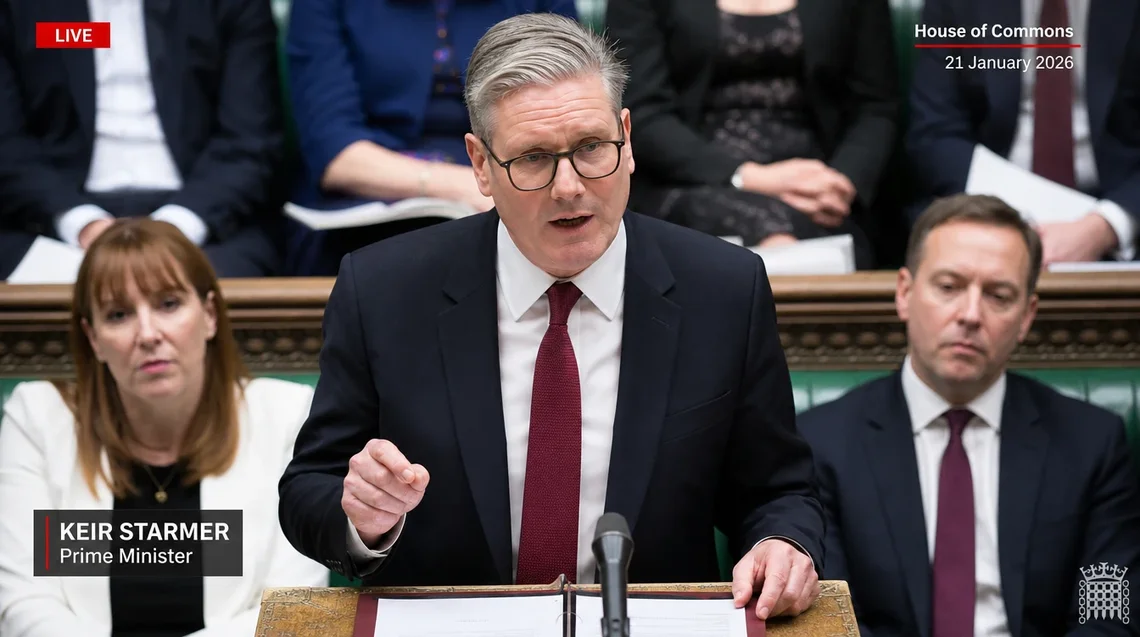
The government's flagship NHS reform programme is facing intensifying scrutiny over its estimated costs, with independent analysts and opposition parties warning that the billion-pound funding commitment may fall significantly short of what the health service requires to meet its transformation targets. Prime Minister Sir Keir Starmer has staked considerable political capital on the overhaul, positioning it as one of Labour's defining domestic achievements, but pressure is mounting on all sides as detailed financial projections come under the microscope.
Party Positions: Labour maintains the reform package represents the most significant investment in NHS infrastructure in a generation and insists the funding envelope is sufficient to deliver structural change. Conservatives argue the government has failed to produce credible costings and warn of a black hole in health spending that will ultimately fall on taxpayers. Lib Dems support increased NHS investment in principle but have called for full independent scrutiny of the figures and greater transparency over how savings targets will be achieved.
The Scale of the Commitment
The government has outlined a multi-billion pound programme aimed at reducing waiting lists, modernising NHS infrastructure, and shifting care delivery toward community and preventative settings. Health Secretary Wes Streeting has repeatedly described the plan as transformative, arguing that the status quo is no longer financially or clinically sustainable.
What the Funding Package Covers
According to government documents, the funding is intended to cover a broad range of interventions including capital investment in hospital estates, expansion of diagnostic capacity, workforce recruitment and retention incentives, and the digitisation of patient records. Officials said the package would be delivered over a multi-year spending window, with tranches released subject to reform milestones being met by NHS trusts and integrated care boards.
Related Articles
However, health economists have noted that the headline figures include both new money and the reallocation of existing budgets, a distinction ministers have been reluctant to foreground in public communications. The Institute for Fiscal Studies, cited by both the BBC and the Guardian in recent weeks, has cautioned that the net new investment may be substantially lower than the gross figures suggest. (Source: Institute for Fiscal Studies)
Opposition Challenges in the Commons
The reform package has faced sustained pressure in the House of Commons, with Conservative and Liberal Democrat MPs tabling written questions and opposition day motions seeking granular breakdowns of how money will be allocated across regions and NHS trusts. Shadow Health Secretary Edward Argar has accused the government of "creative accounting" in how it presents NHS spending commitments, a charge ministers have flatly rejected.
Parliamentary Arithmetic and Scrutiny Motions
Labour's substantial Commons majority means the government is not at immediate risk of legislative defeat on the health reform agenda. Nevertheless, the scrutiny process in committee has produced uncomfortable moments for ministers, with the Health and Social Care Select Committee pressing departmental officials on whether productivity assumptions underpinning the funding model are realistic given the NHS's recent performance trajectory.
| Metric | Figure | Source |
|---|---|---|
| Approximate government NHS reform commitment (multi-year) | £25 billion+ | HM Treasury / DHSC |
| Public approval of Labour's NHS handling (net rating) | -12 points | YouGov |
| Share of voters rating NHS as top political priority | 54% | Ipsos |
| NHS England waiting list (approximate current figure) | 7.5 million patients | Office for National Statistics |
| Labour Commons majority | 172 seats | House of Commons Library |
| Share of respondents backing more NHS investment even if taxes rise | 61% | YouGov |
The polling data present a complex picture for the government. While a clear majority of voters continue to back increased NHS investment, satisfaction with the government's handling of health policy has declined since the election, according to YouGov. (Source: YouGov) Ipsos tracking data show that the NHS remains the single most important issue for voters, placing acute political pressure on the government to demonstrate visible progress. (Source: Ipsos)
Cost Scrutiny and Independent Analysis
The question of whether the reform package is adequately funded has emerged as the central battleground in the political debate. Critics point to previous NHS transformation programmes that have encountered cost overruns, workforce shortages, and implementation delays as grounds for scepticism about the government's projections.
Workforce Costs Under the Microscope
Among the most contentious elements of the financial modelling is the treatment of workforce costs. The government has promised to recruit thousands of additional GPs, nurses, and allied health professionals as part of its shift toward a community-based care model. However, independent analysts have questioned whether the salary, training, and estate costs associated with this expansion have been fully factored into the published figures.
Data from the Office for National Statistics show that NHS workforce costs account for the single largest share of health service expenditure, typically representing well over sixty percent of total NHS spending in any given year. Any shortfall in workforce funding assumptions would therefore have a disproportionate impact on the overall programme. (Source: Office for National Statistics)
This concern connects directly to the broader questions raised in earlier coverage of the reform agenda. Reporting on Starmer's NHS overhaul faces funding scrutiny identified similar tensions between the government's published projections and independent estimates from health economics specialists, suggesting this is a persistent rather than incidental weakness in the government's public presentation of the programme.
Capital Spending and Estate Backlogs
Separate concerns have been raised about whether capital allocations are sufficient to address the NHS's existing maintenance backlog, which independent assessments have placed in the tens of billions of pounds. Officials said the government is prioritising the highest-risk estate issues but acknowledged that full remediation of the backlog will take many years beyond the current spending window.
Union and Workforce Tensions
The reform programme has not only attracted scrutiny from political opponents. Trade unions representing NHS workers have raised concerns about the pace and nature of the changes, particularly around proposals to restructure integrated care systems and renegotiate certain workforce arrangements. The background to these tensions is examined in detail in related coverage of Starmer's NHS overhaul faces fresh opposition from unions, which documents the specific objections raised by health sector unions in recent months.
Staff Morale and Retention
Senior NHS managers have privately expressed concern that the pace of structural reform, layered on top of an already stretched workforce, risks exacerbating retention problems at a critical moment. According to the Guardian, several NHS trust chief executives have raised these concerns with DHSC officials in closed briefings, though ministers have publicly maintained that the reform programme will ultimately improve working conditions for NHS staff. (Source: The Guardian)
Streeting has argued that the status quo, characterised by what he describes as systemic dysfunction and unsustainable demand pressures, poses a greater threat to staff wellbeing than the disruption of change. That argument has not fully convinced union leaderships, who have indicated they will maintain pressure on the government over the implementation timetable.
Regional Disparities and Allocation Questions
A further dimension of the cost scrutiny concerns how funding will be distributed across England's integrated care systems. Health economists have long argued that historic NHS funding formulae have disadvantaged certain regions, and there is pressure on the government to ensure that its reform investment addresses rather than entrenches those disparities.
The political stakes here are considerable for Labour, given the party's dependence on votes in areas that have historically felt underserved by NHS provision. As previously reported, Starmer's NHS overhaul faces fresh funding pressure from regional health bodies and local leaders who argue that the current allocation model does not adequately reflect the health needs of their populations.
Integrated Care Board Performance
Ministers have tied elements of the reform funding to performance improvement requirements for integrated care boards, a mechanism designed to ensure accountability but one that critics argue could penalise already-struggling systems in deprived areas. Officials said the performance framework is intended to be supportive rather than punitive, but the detail of how underperforming ICBs will be treated remains a subject of ongoing negotiation between the department and NHS England.
The Road Ahead
The government faces a demanding period ahead in which it must translate headline commitments into operational delivery while managing expectations in a health service under acute strain. The BBC has reported that internal government modelling shows the waiting list target — one of Starmer's key personal commitments — will require sustained above-inflation funding increases for the remainder of this parliament to be achieved on the current timetable. (Source: BBC)
Further analysis of the evolving political dynamics around the reform programme is available in coverage of Starmer's NHS overhaul faces fresh resistance and the wider context of Starmer's NHS Overhaul Faces Fresh Pressure from within and beyond Parliament. Together, these accounts document a reform agenda that commands broad public support in principle but faces mounting questions about whether its financial foundations are as solid as the government insists.
With a spending review on the horizon and departmental budgets under pressure across Whitehall, the political and financial tests facing the NHS overhaul are set to intensify. Whether the government can maintain the narrative of purposeful, adequately resourced transformation — or whether cost scrutiny begins to erode public confidence in the programme's deliverability — will be one of the defining questions of this parliament's domestic legacy.